Cards & Components
Component faces, what each does, and the rules that use it.
Each row describes one distinct component face or printed layout. The rider Energy and Exhaustion fronts, the base track sides and the 18 Peloton route faces are listed individually. The five named community route layouts are labeled as Workshop material rather than official base components. Rider cards, boards and track faces use native-resolution textures from the public Flamme Rouge (Peloton & Meteo) TTS Workshop save; rules and component identities are checked against publisher rules.
Boards
Player boards and reference cards
| Face | Use |
|---|---|
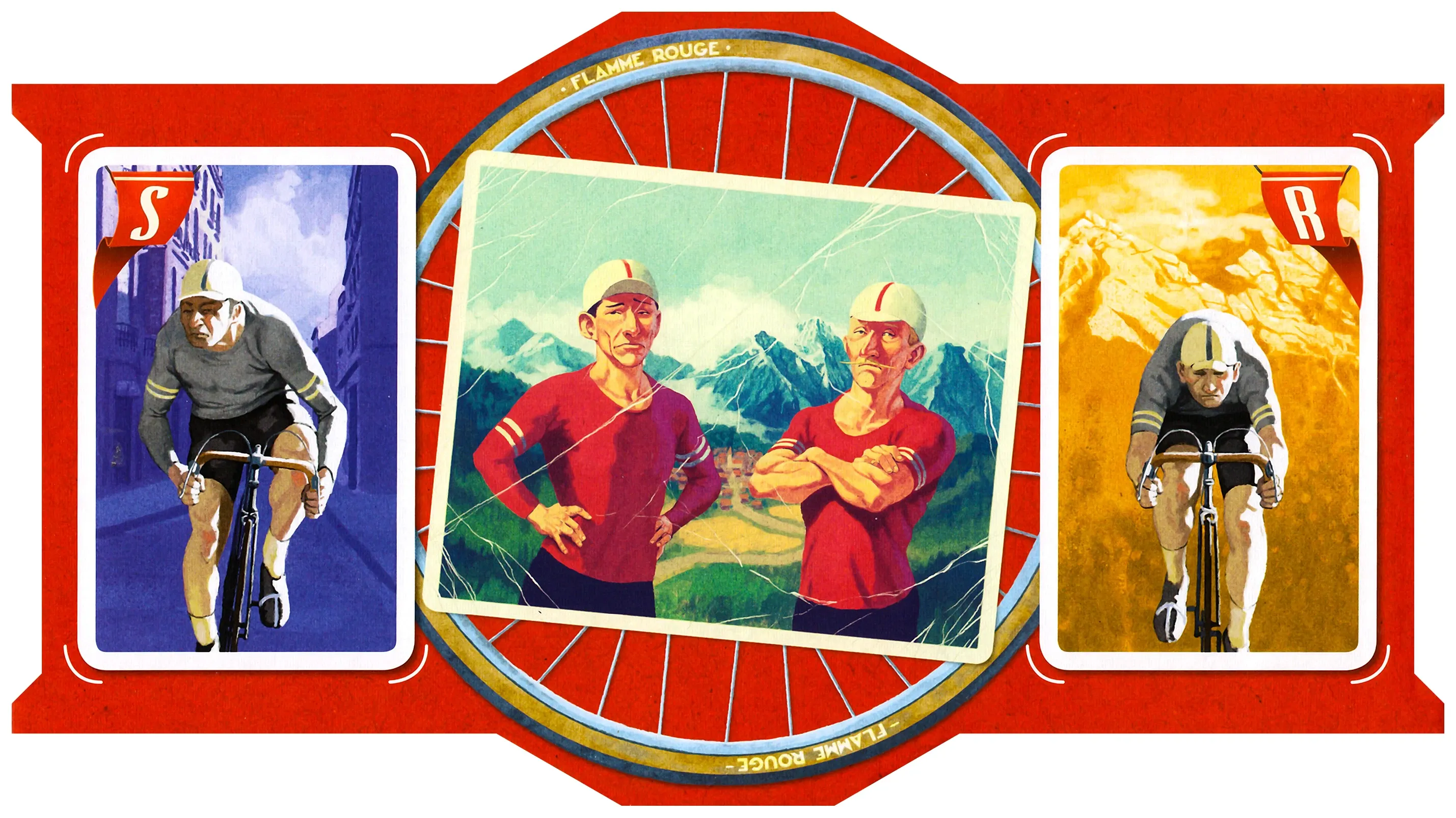 | Red team board — holds the Rouleur and Sprinteur decks and player aid. Setup. |
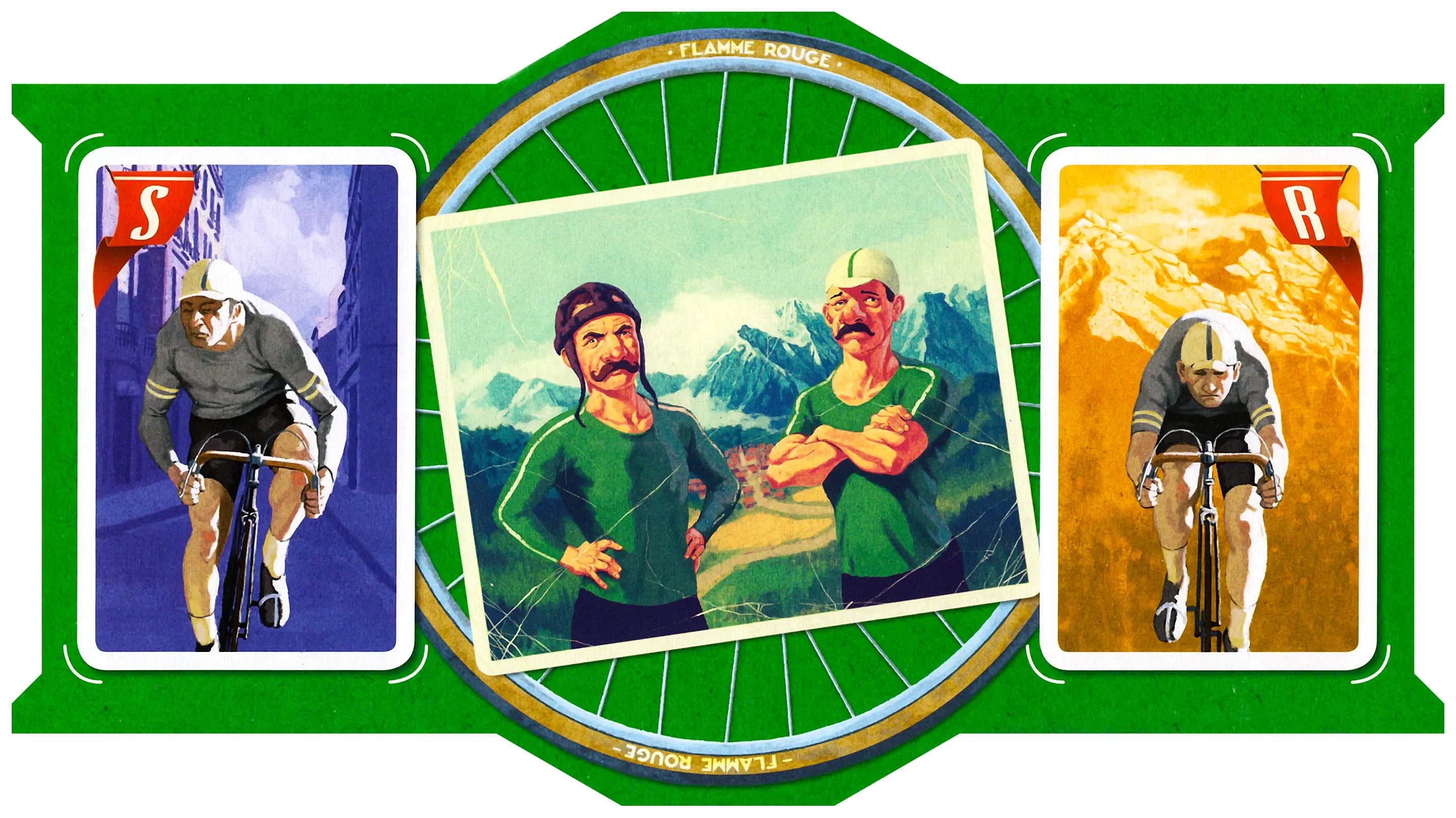 | Green team board — holds the Rouleur and Sprinteur decks and player aid. Setup. |
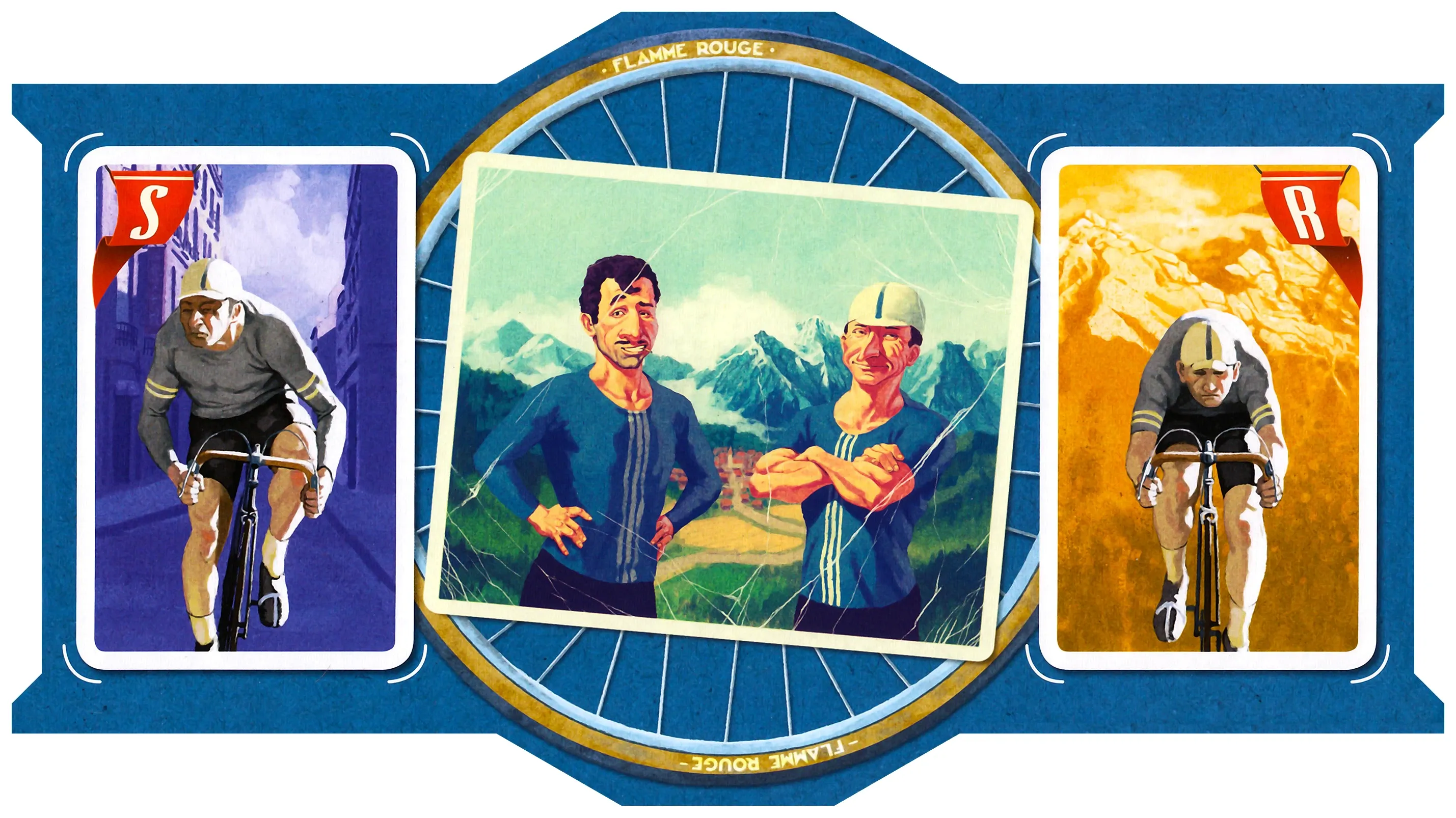 | Blue team board — holds the Rouleur and Sprinteur decks and player aid. Setup. |
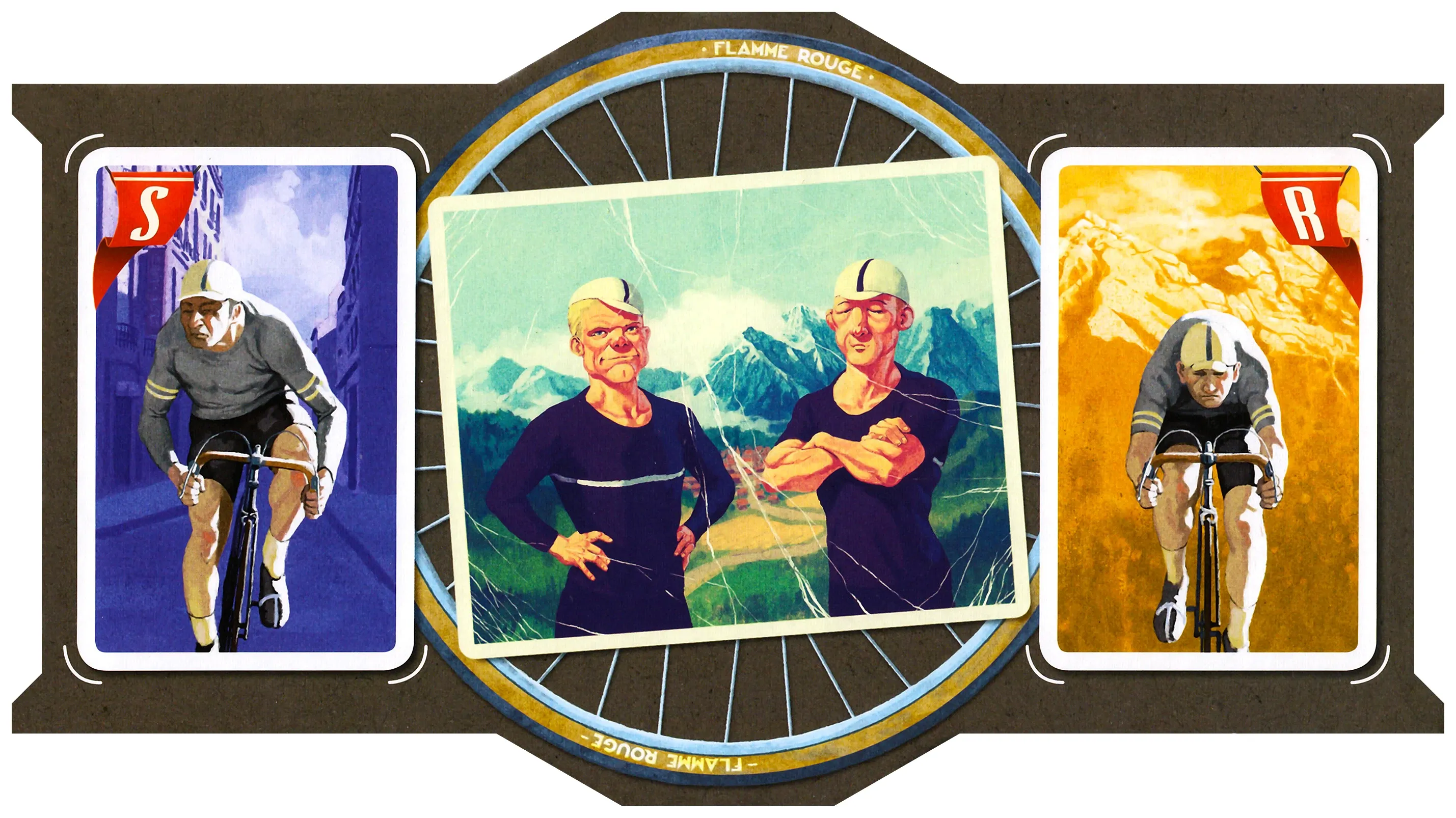 | Black team board — holds the Rouleur and Sprinteur decks and player aid. Setup. |
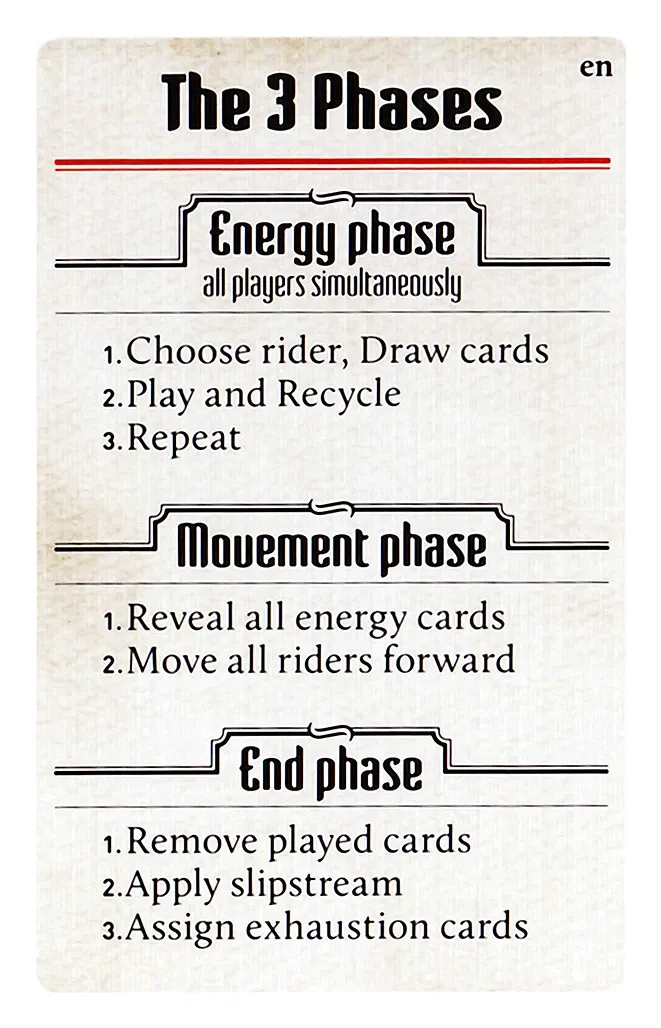 | Round reference — summarizes the Energy, Movement and End phases. The four physical copies share this face. Round sequence. |
Grand Tour faces
| Face | Use |
|---|---|
| To be added — Major Sprint token | Records sprint classification points. |
| To be added — Minor Sprint token | Records sprint classification points. |
| To be added — Major Mountain token | Records mountain classification points. |
| To be added — Minor Mountain token | Records mountain classification points. |
| To be added — Podium tokens (3 / 2 / 1 TP) | Award stage podium Tour Points. |
| To be added — Jersey tokens | Identify current classification leaders. |
| To be added — Time tokens | Record stage time and time penalties. |
| To be added — Baroudeur overview and Energy faces | Rouleur specialist 1; deck changes and Baroudeur power. |
| To be added — Flandrien overview and Energy faces | Rouleur specialist 2; includes Chase. |
| To be added — Grimpeur overview and Energy faces | Rouleur specialist 3; strong ascent values. |
| To be added — Domestique overview and Energy faces | Rouleur specialist 4; Relentless effect. |
| To be added — Super Rouleur overview and Energy faces | Rouleur specialist 5. |
| To be added — Puncheur overview and Energy faces | Rouleur specialist 6; Recovery. |
| To be added — Descender overview and Energy faces | Sprinteur specialist 1; strong descent value. |
| To be added — Polyvalent overview and Energy faces | Sprinteur specialist 2. |
| To be added — Mountaineer overview and Energy faces | Sprinteur specialist 3; strong ascent value. |
| To be added — Squirrel overview and Energy faces | Sprinteur specialist 4. |
| To be added — Super Sprinteur overview and Energy faces | Sprinteur specialist 5; includes 10 and 11. |
| To be added — Flahute overview and Energy faces | Sprinteur specialist 6; includes Flahute and Nimble effects. |
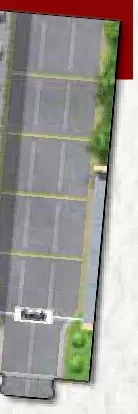 | Wide Finish (v/V) — adds lanes beyond the finish so riders fit more easily; replace the regular finish tile in Tours and 5–6 player Peloton races. New track tiles. |
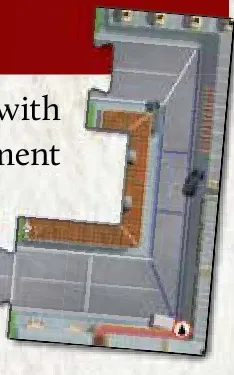 | Sharp Corners (z/Z) — a blocked rider that stops on a blue-marked space crashes and lies down; the next movement is reduced by 2. New track tiles. |
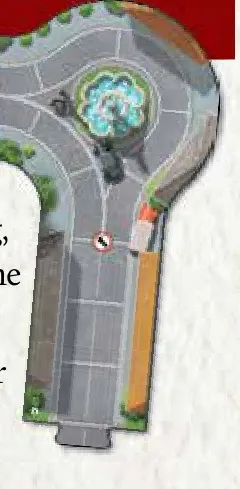 | Roundabout x/X — splits the route into an inner three-space lane and an outer five-space lane; riders keep their selected lane until they exit. New track tiles. |
| To be added — 21 Grand Tour stage cards | Double-sided layouts, including TTT, ITT and Extended stages. |
| To be added — Player Sheets and Tour Sheets | Record rider times, collected tokens and cumulative Tour Points. |
Peloton team boards
| Face | Use |
|---|---|
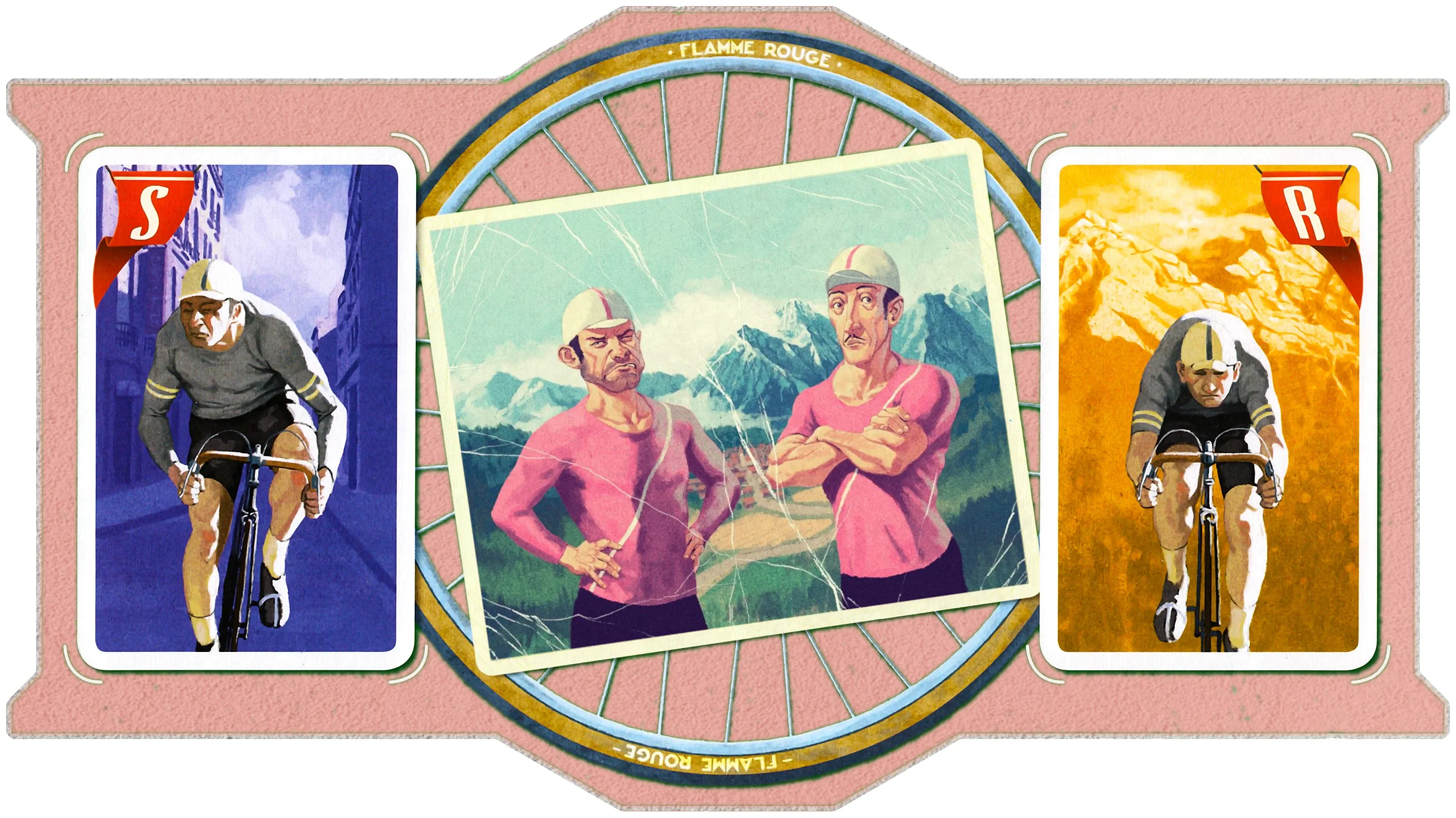 | Pink team board — Peloton’s fifth team board; holds that team’s two rider decks. Peloton setup. |
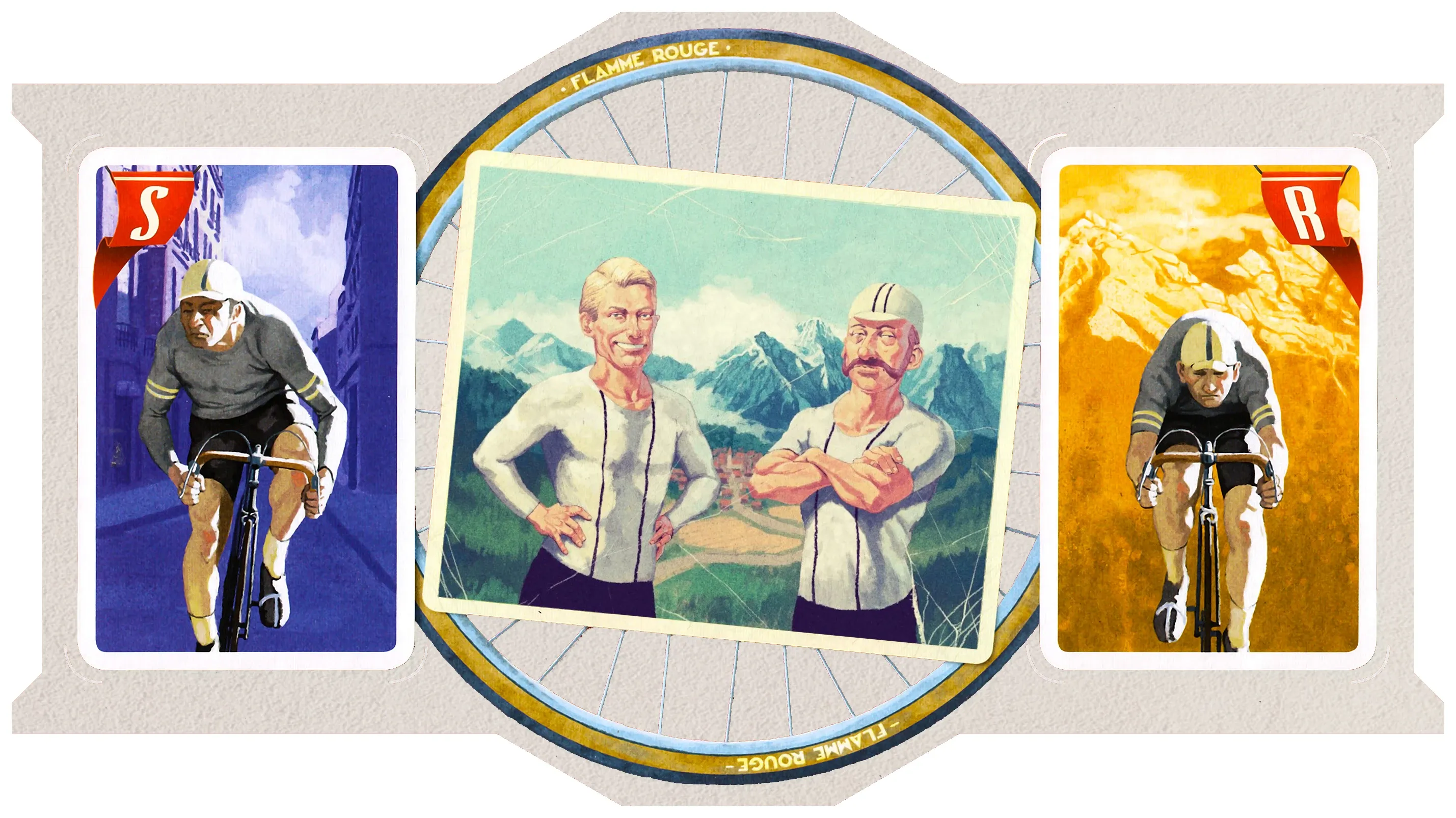 | White team board — Peloton’s sixth team board; holds that team’s two rider decks. Peloton setup. |
Official promo and community faces
| Face | Use |
|---|---|
| To be added — Team Trial stage card | Official promo team-time-trial layout; see Team Trial. |
| To be added — Advent calendar track section | Optional track insert. |
| To be added — Dice Tower promo stage cards (five double-sided) | Five optional route layouts. |
| To be added — Le Grand Tour 2018 layouts (21) | Routes modeled on the 2018 Tour. |
| To be added — Playagame Giro 2019 routes (five) | Official promotional track layouts. |
| To be added — Legendary Riders talent cards | Fan solo campaign; source sheet needs face-by-face reading. |
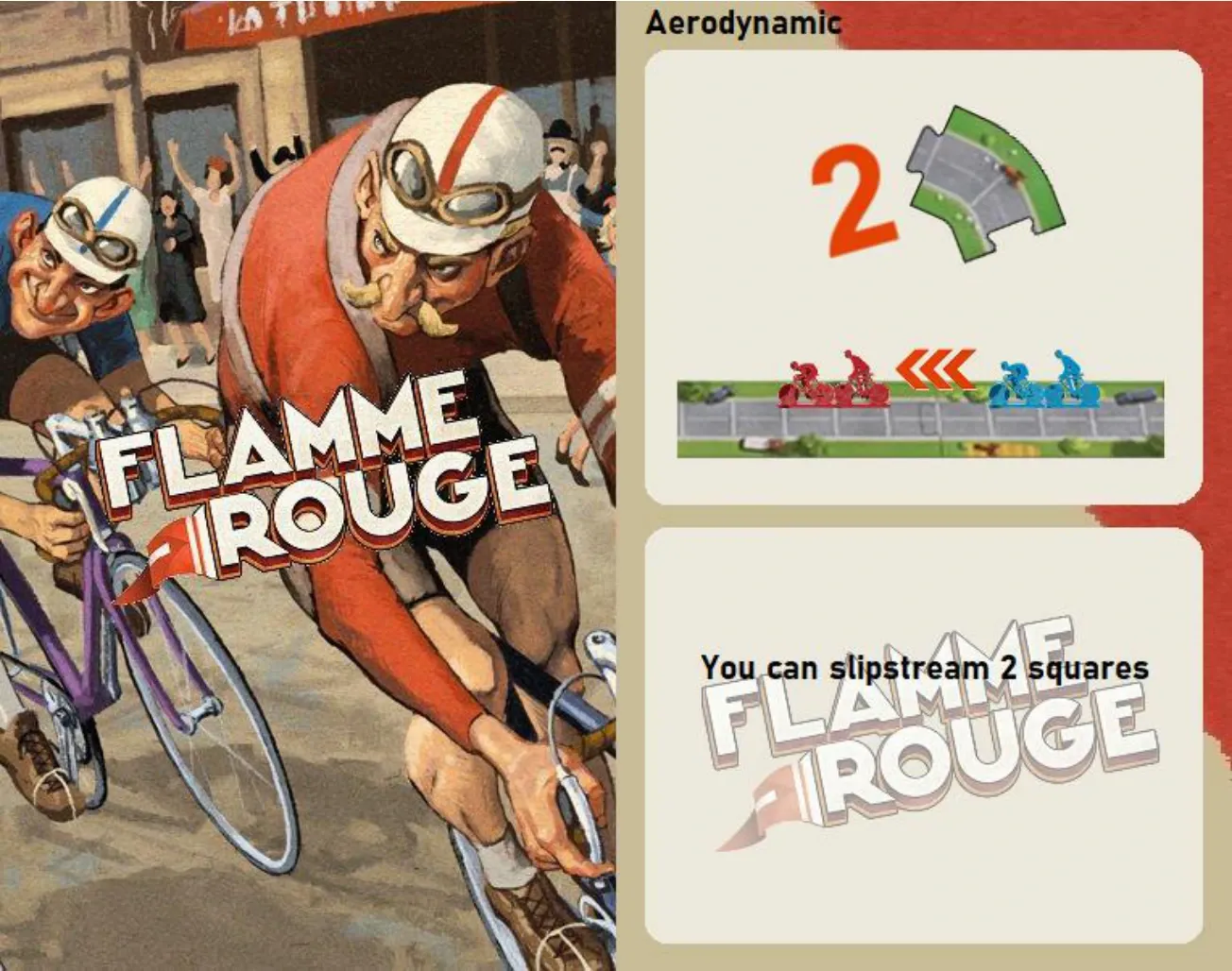 | Aerodynamic — Once per stage, a rider may slipstream two extra spaces and bring riders on its wheel along. Free Expansion Pack rules. |
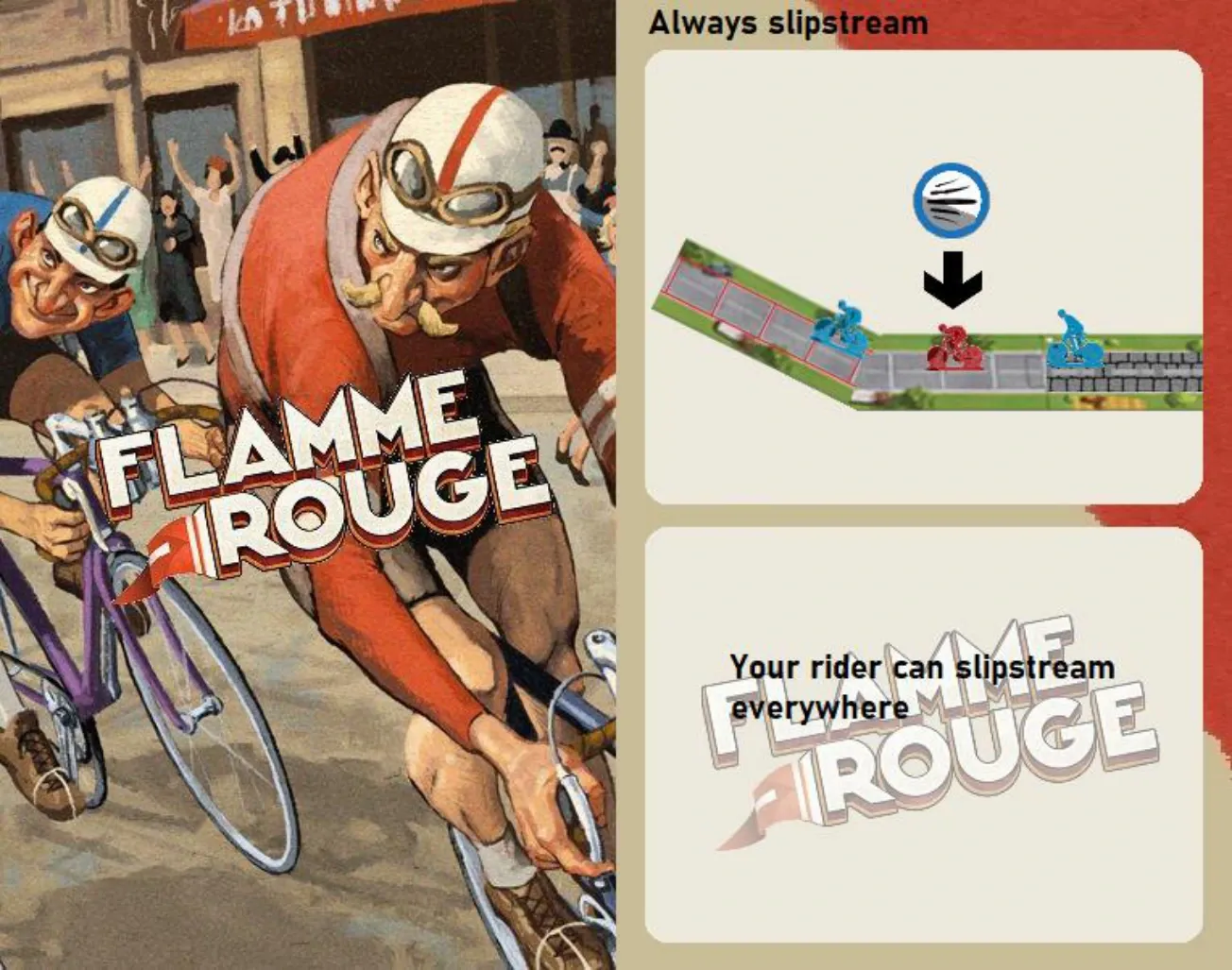 | Always Slipstream — Once per stage, one rider may slipstream to any other rider regardless of distance; its followers move with it. Free Expansion Pack rules. |
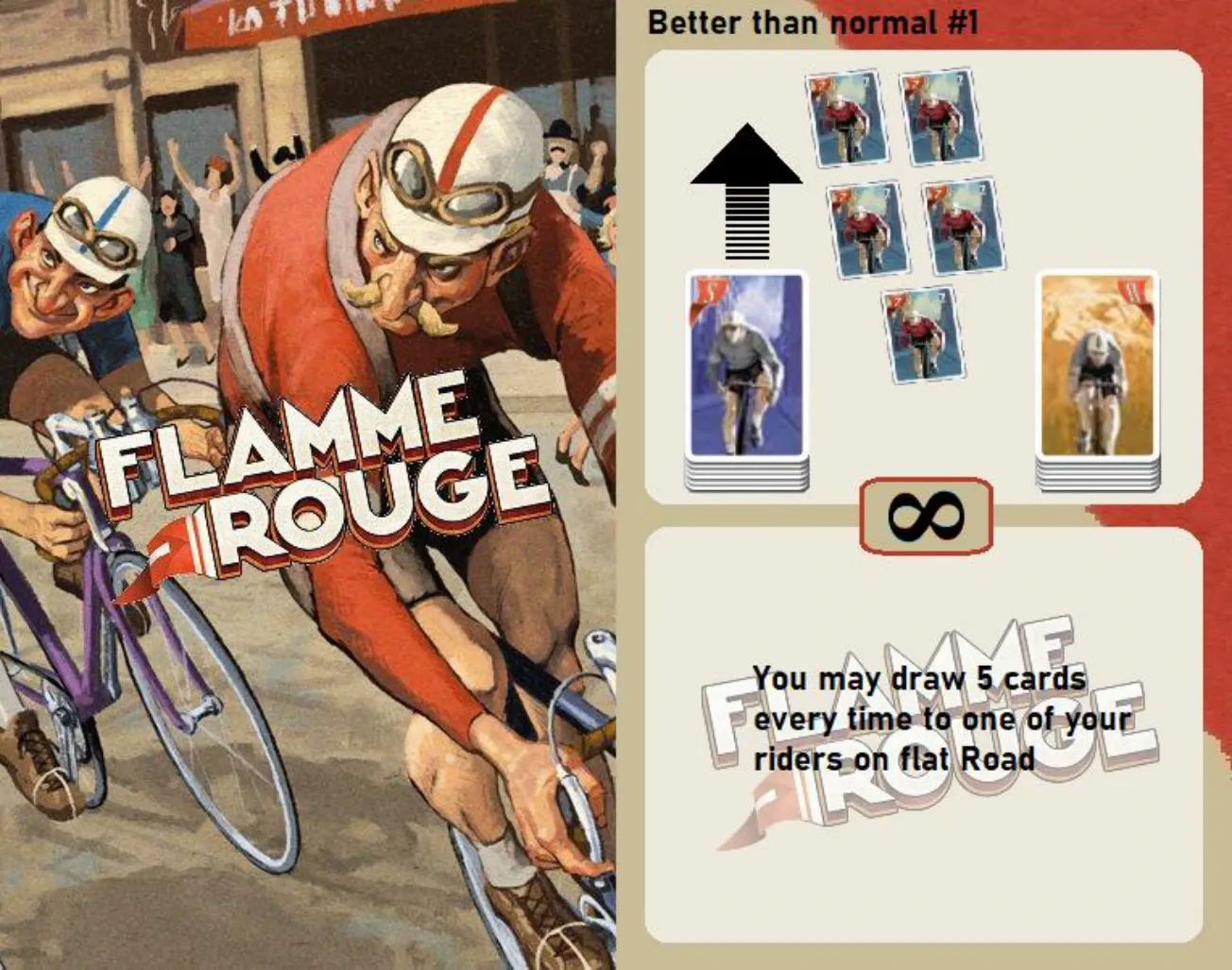 | Better than Normal #1 — The assigned rider draws five cards on flat-road turns throughout the stage, but not on climbs, descents or cobblestones. Free Expansion Pack rules. |
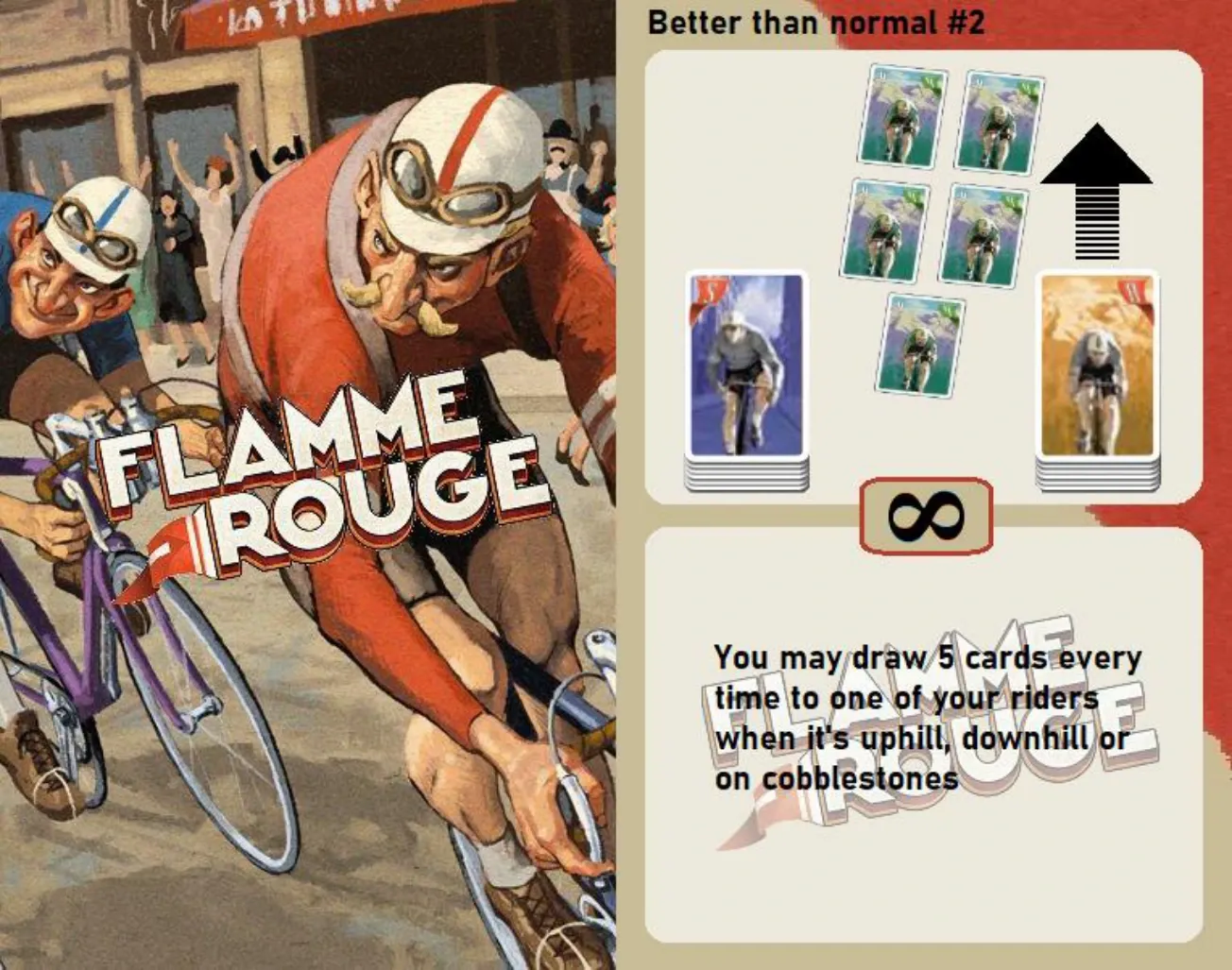 | Better than Normal #2 — The assigned rider draws five cards on climbs, descents and cobblestones throughout the stage, but not on flat road. Free Expansion Pack rules. |
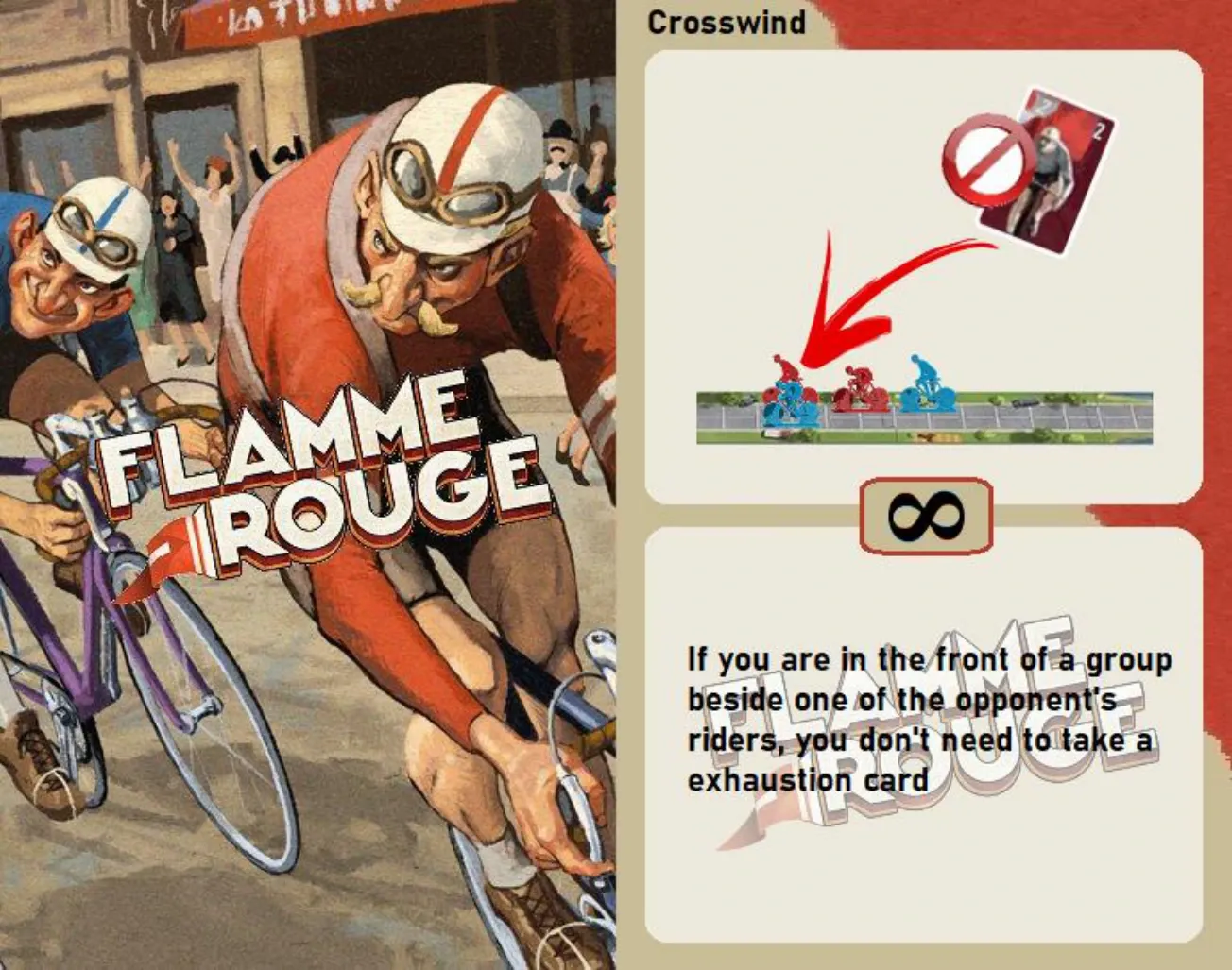 | Crosswind — For this stage, the card can prevent exhaustion for both riders when they lead groups alongside opposing riders; its one-rider exception is described in the variant rules. Free Expansion Pack rules. |
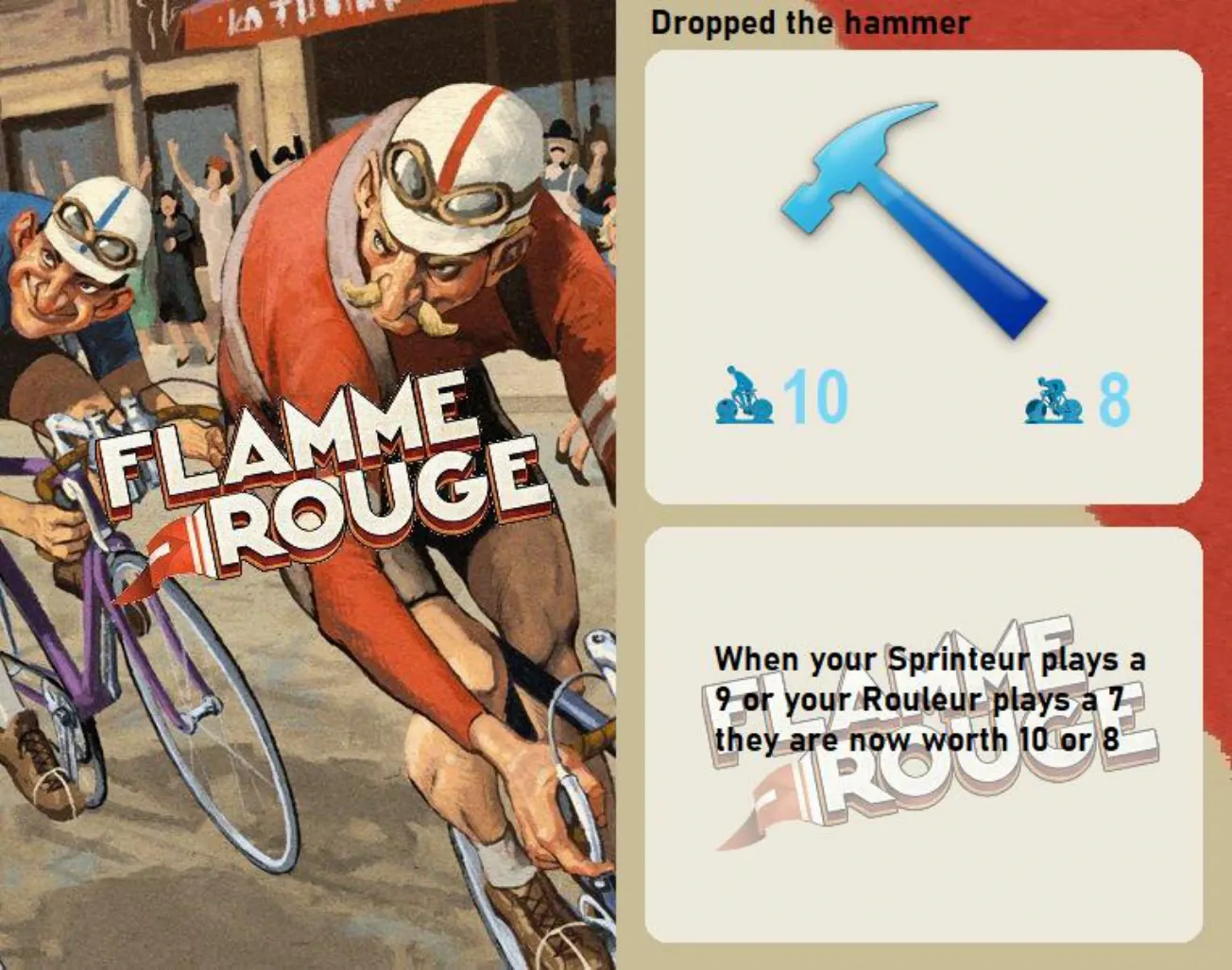 | Dropped the Hammer — Once this stage, add one to a Rouleur’s 7 or a Sprinteur’s 9. Free Expansion Pack rules. |
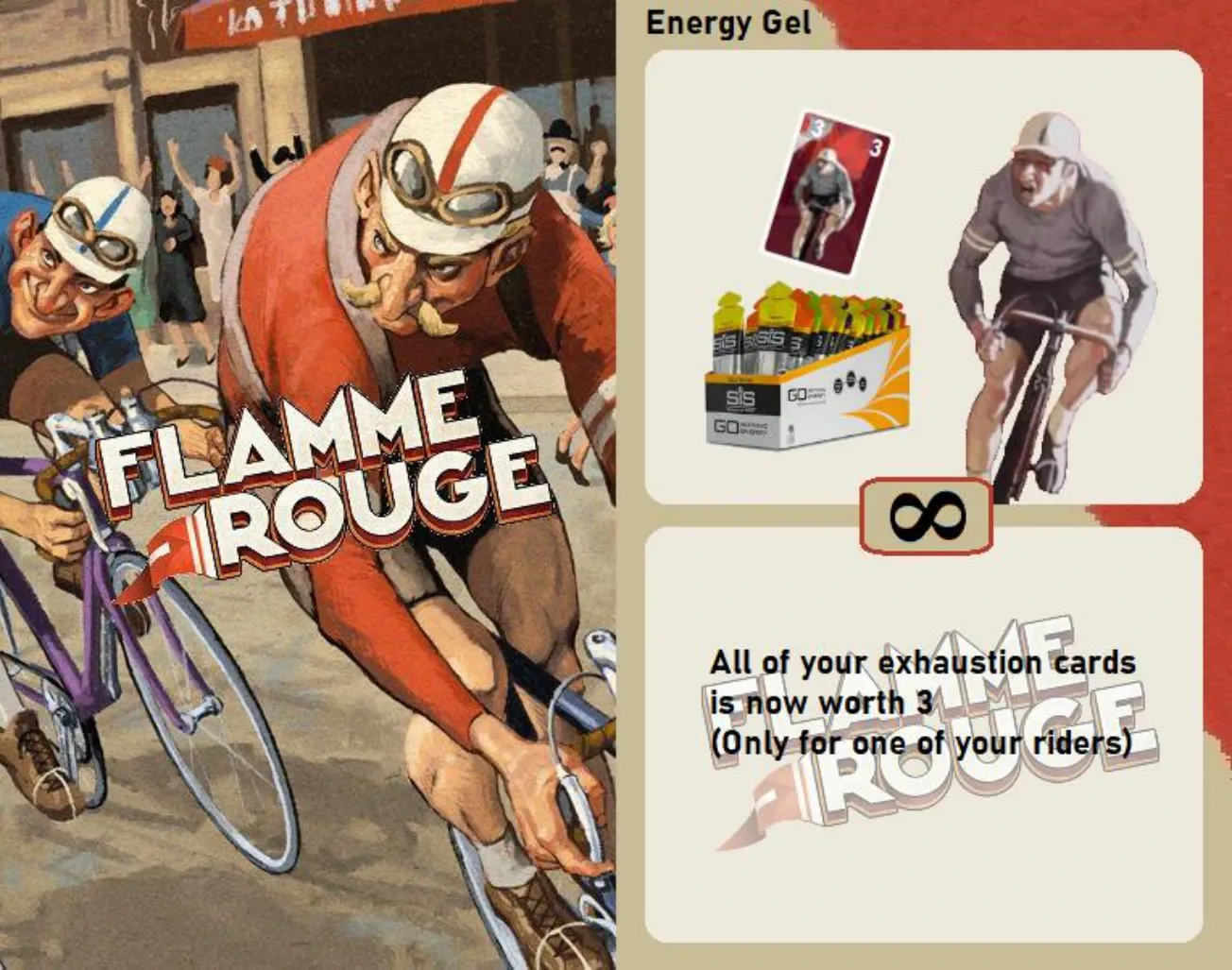 | Energy Gel — Assign to a rider; its exhaustion cards count as value 3 for the whole stage. Free Expansion Pack rules. |
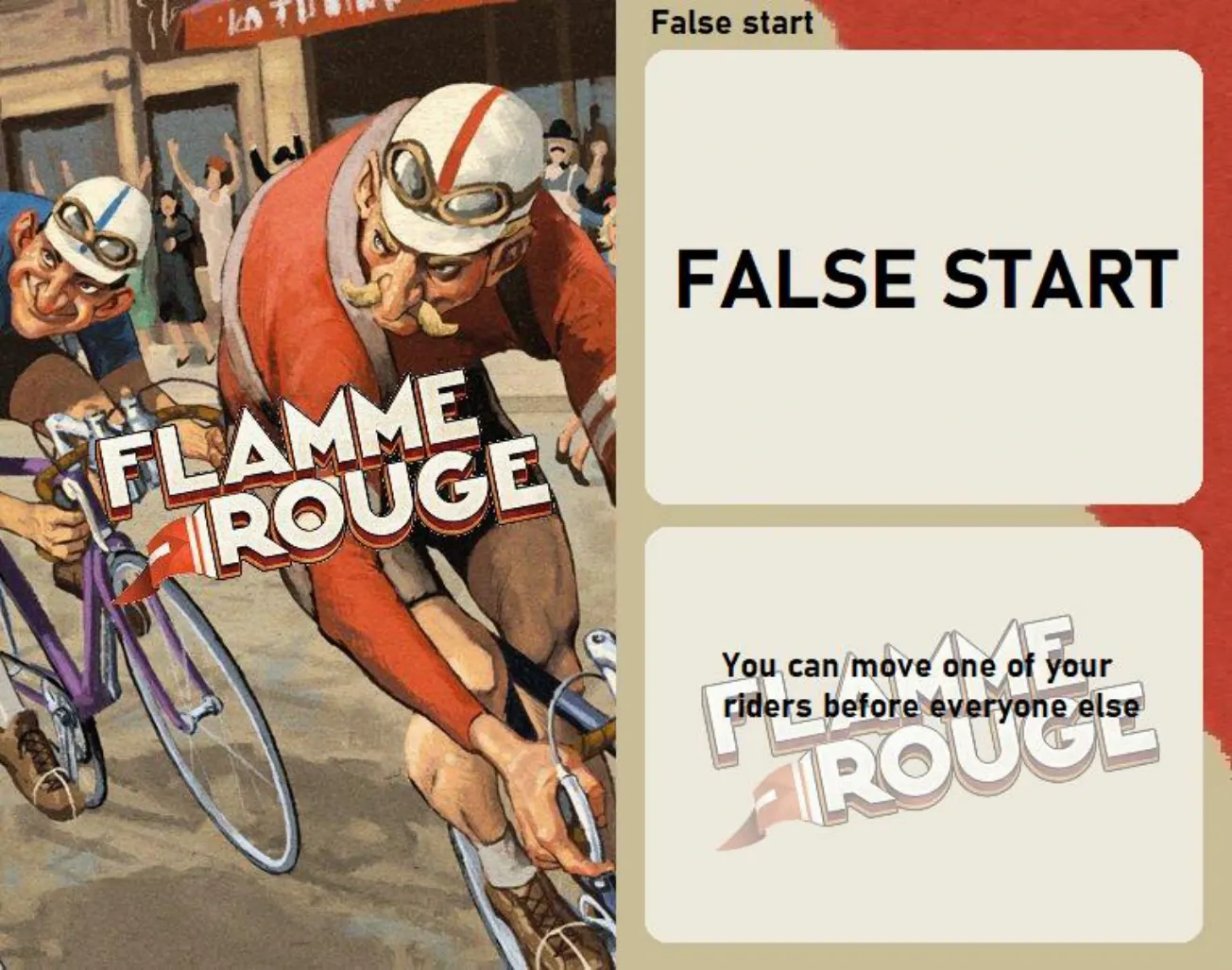 | False Start — Once this stage, move one of your riders before all other riders. Free Expansion Pack rules. |
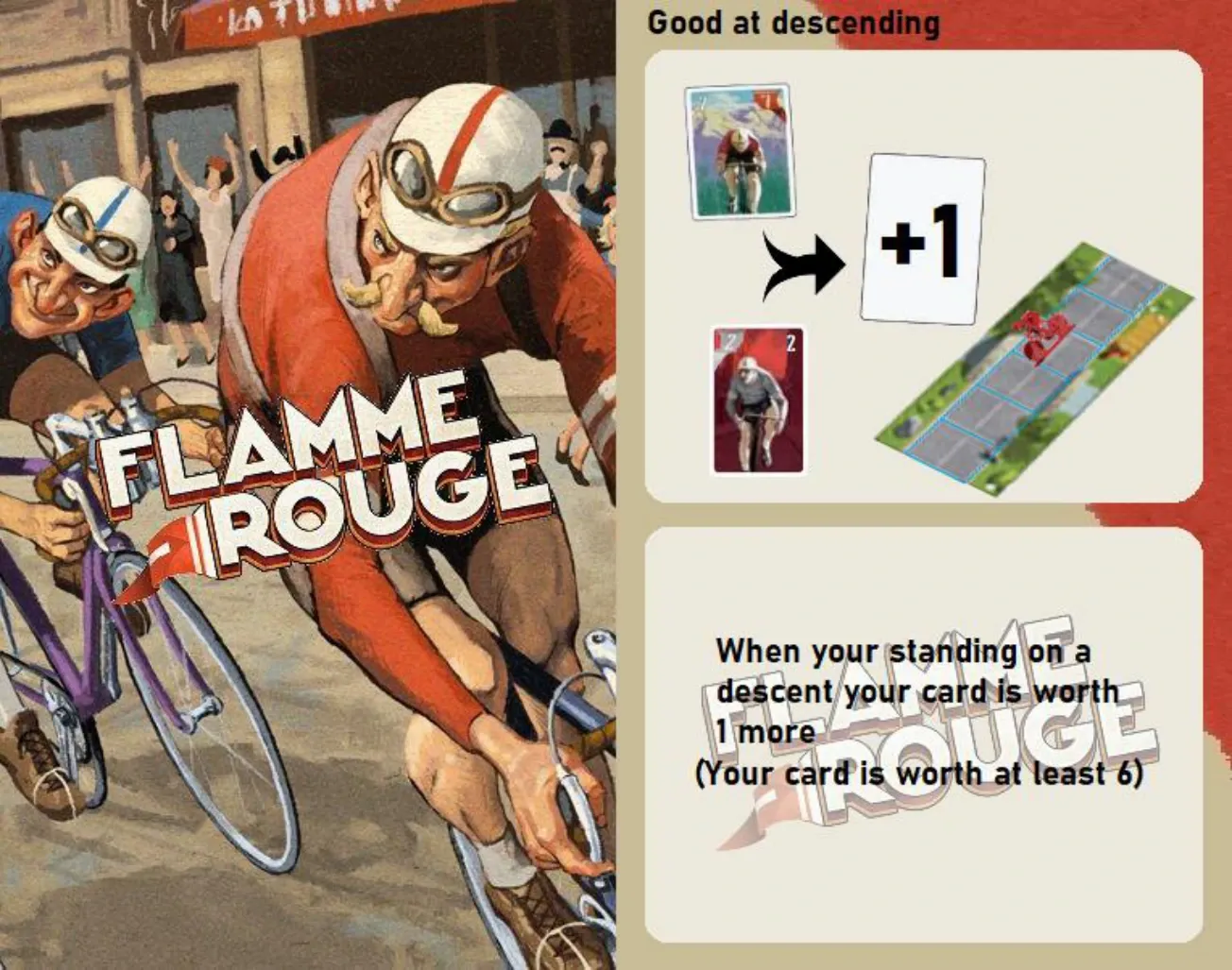 | Good at Descending — Once on a descent, add one to the played value; values 5 or lower become at least 6, with movement capped at 10. Free Expansion Pack rules. |
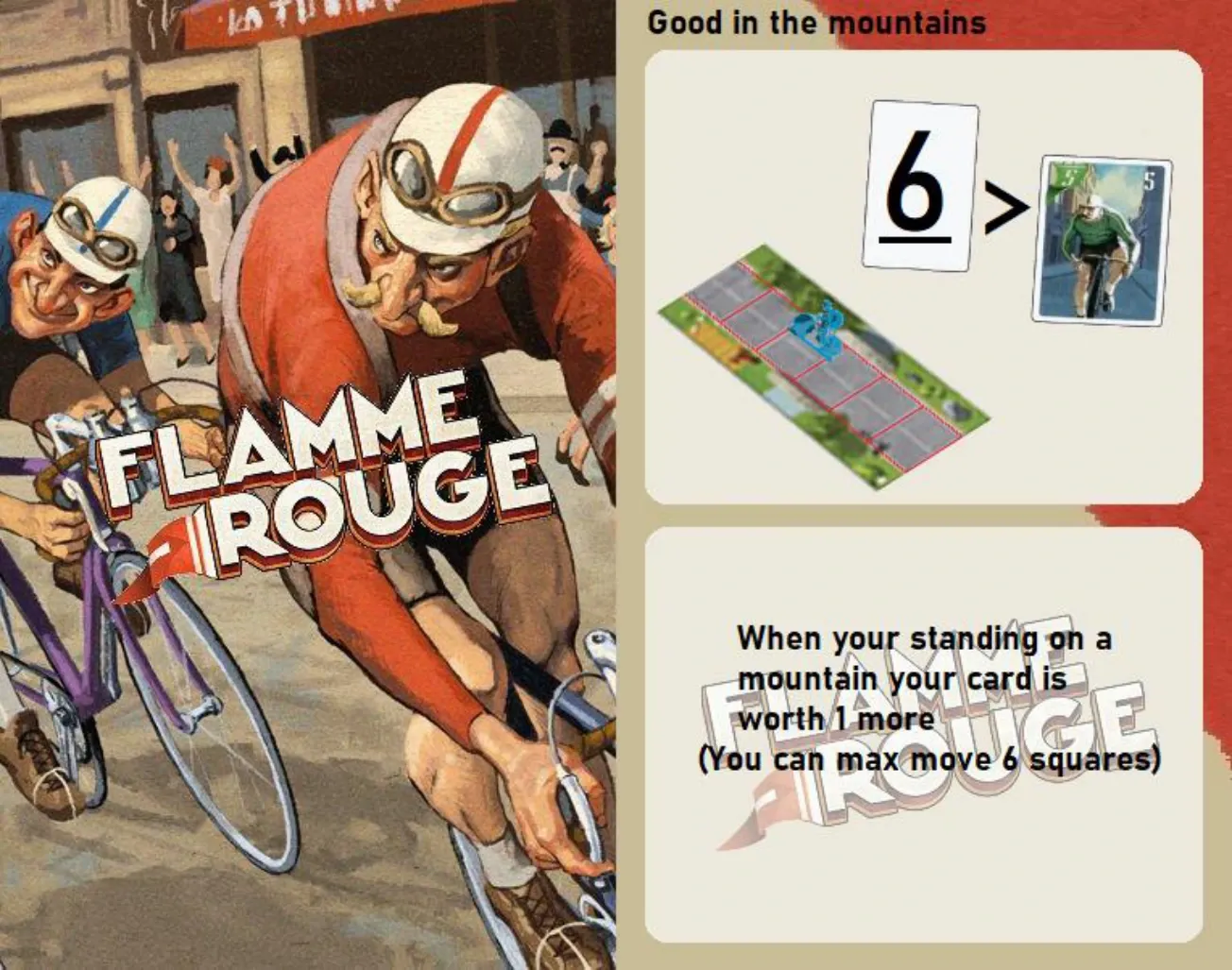 | Good in the Mountains — Once on a mountain, add one to the played value, to a maximum movement of 6. Free Expansion Pack rules. |
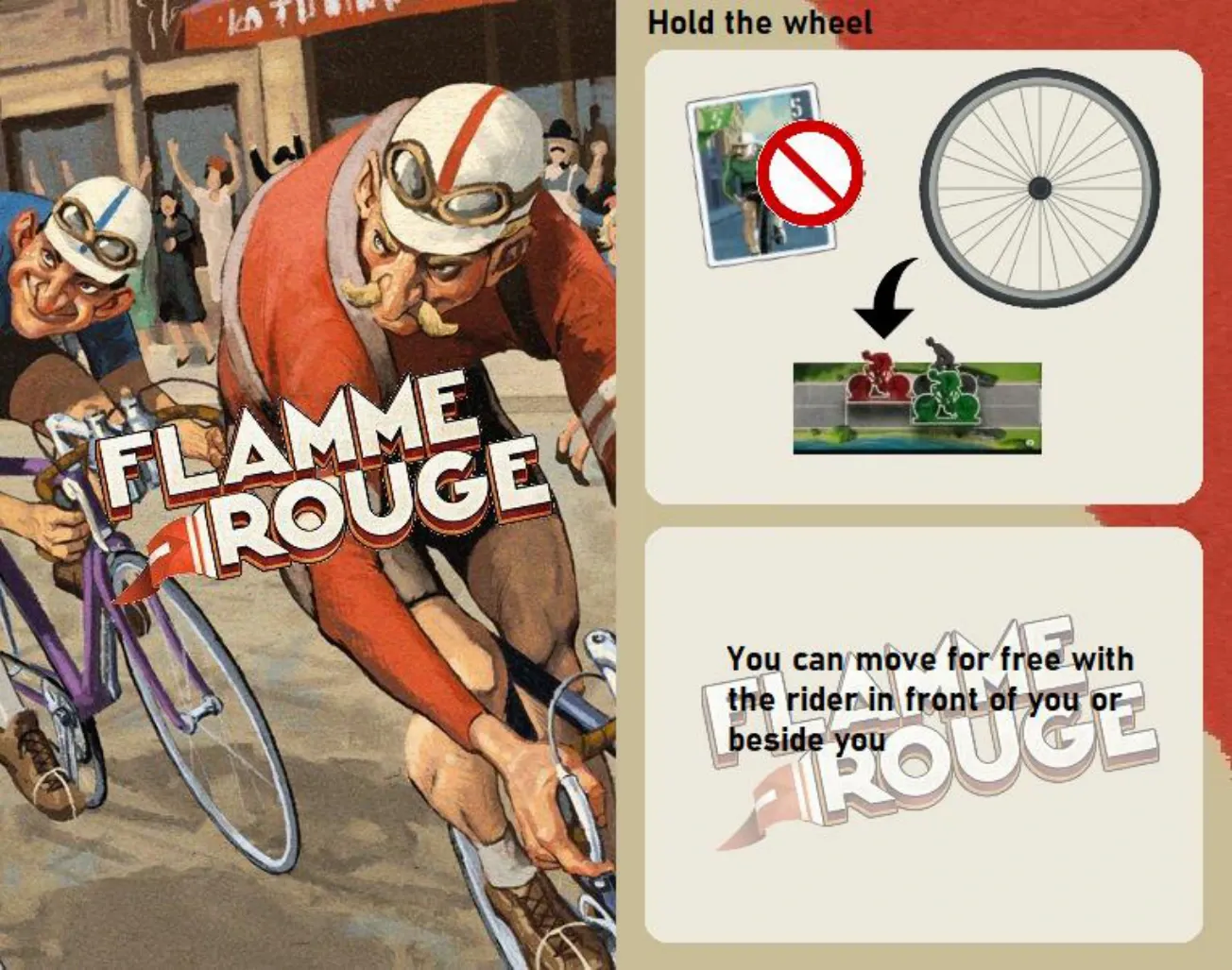 | Hold the Wheel — Once this stage, use the adjacent rider’s movement value and discard or recycle your selected card. Free Expansion Pack rules. |
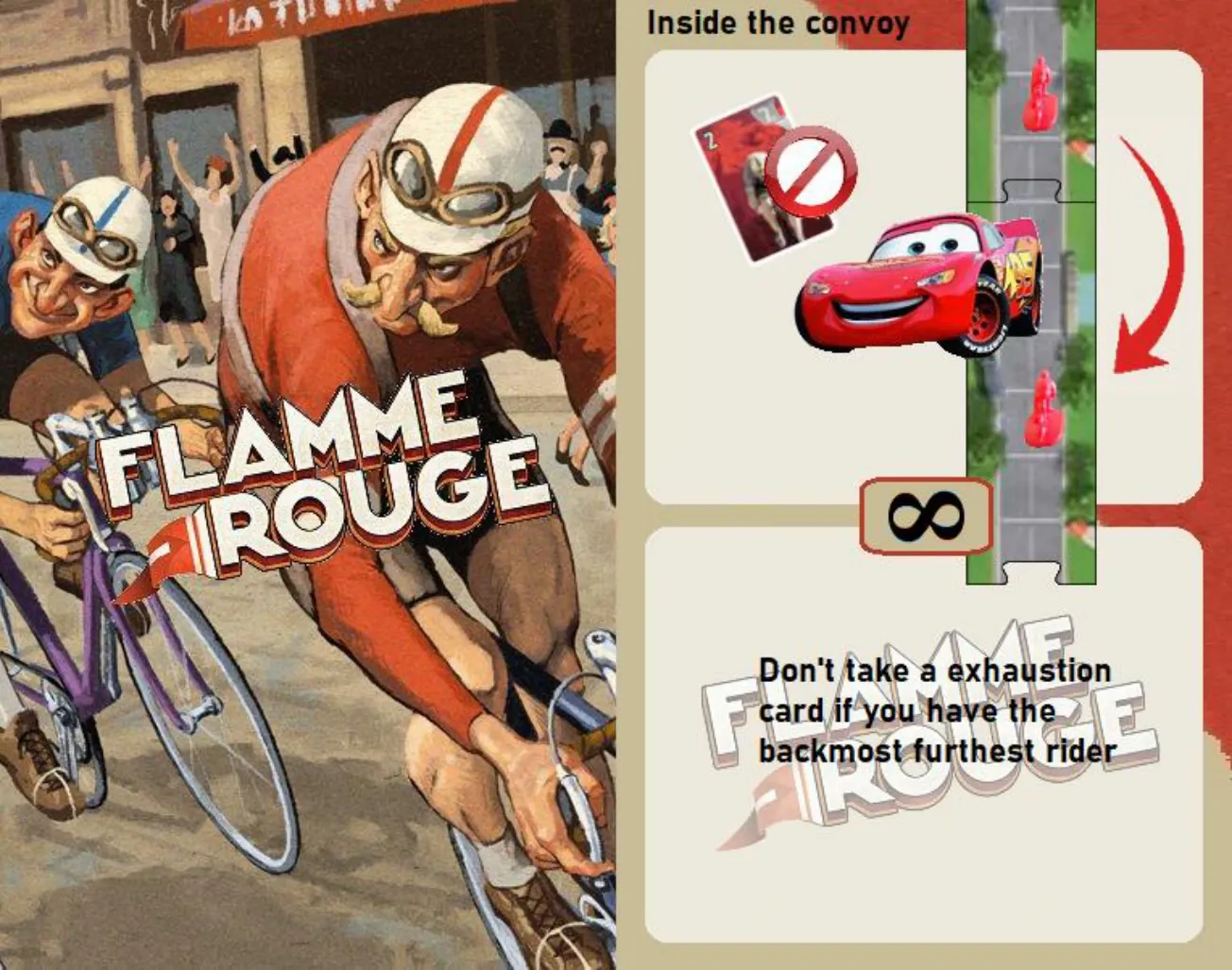 | Inside the Convoy — For the stage, the card prevents exhaustion for a rider at the back of the field; if both riders share the rearmost square, neither takes one. Free Expansion Pack rules. |
 | Johan Bruyneel — Once this stage, look at one opponent’s selected Rouleur or Sprinteur card before resolving your move. Free Expansion Pack rules. |
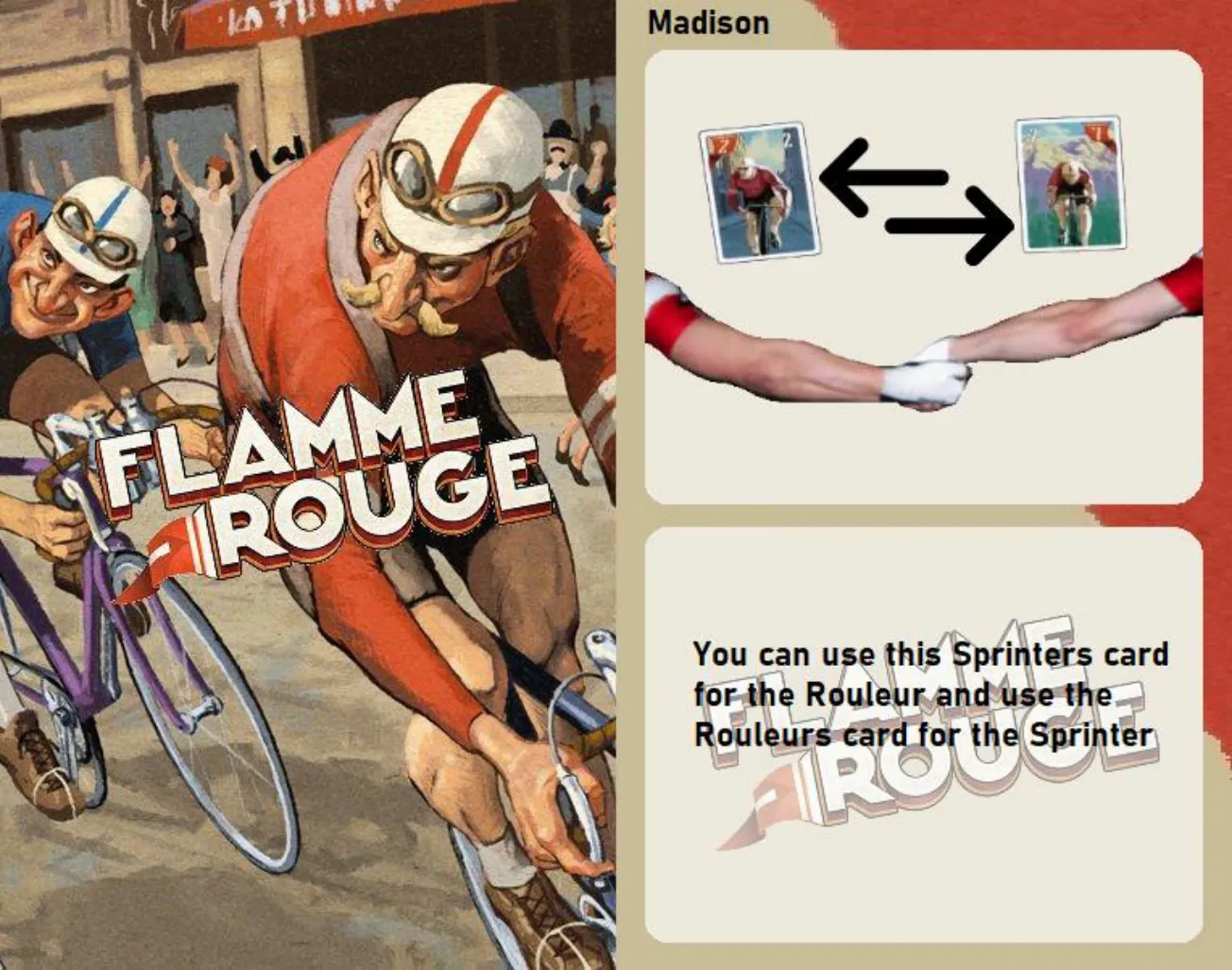 | Madison — Once this stage, play the Rouleur’s selected card for the Sprinteur or vice versa. Free Expansion Pack rules. |
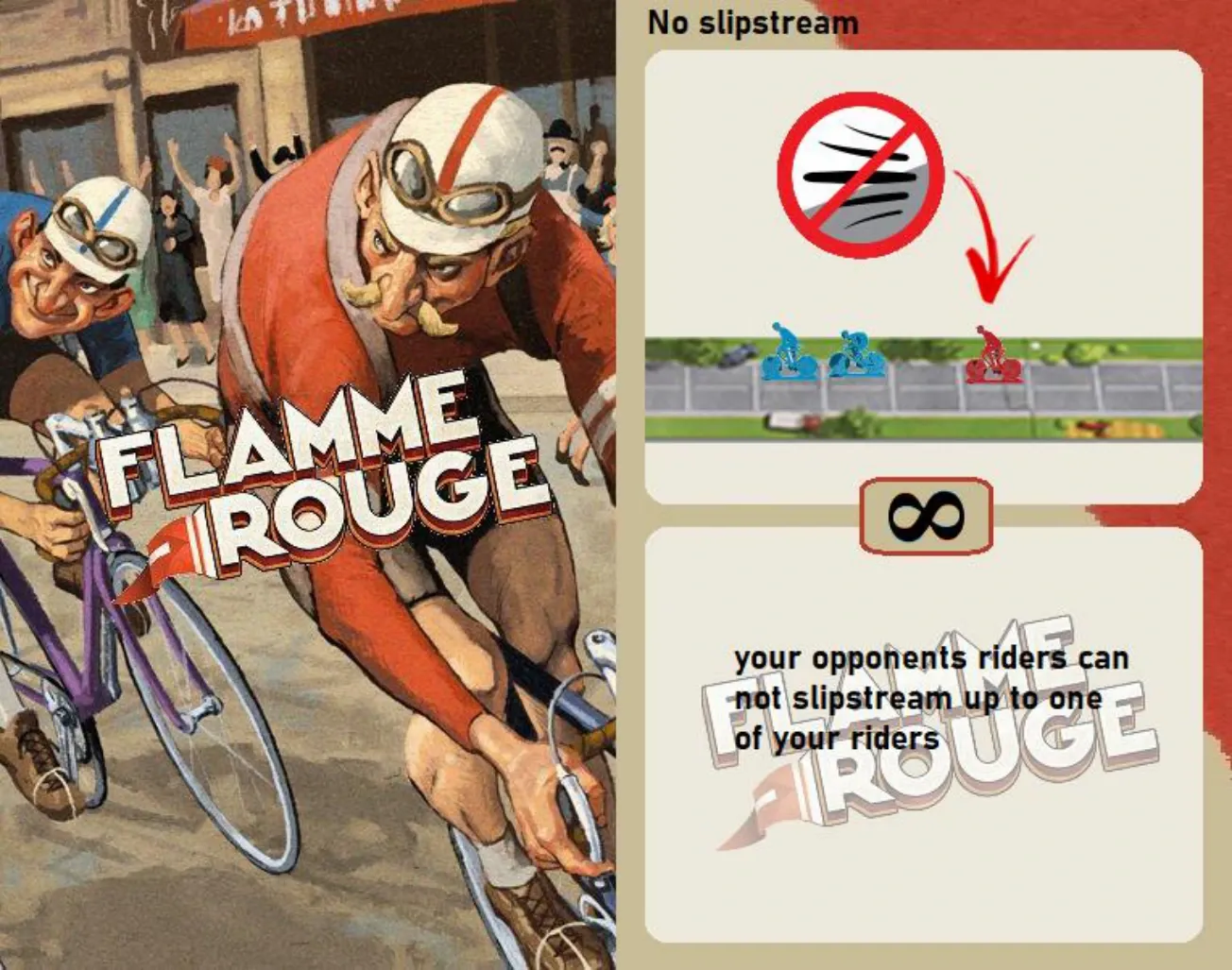 | No Slipstream — For the stage, opponents cannot slipstream to the assigned rider’s square; its own rider may still slipstream normally. Free Expansion Pack rules. |
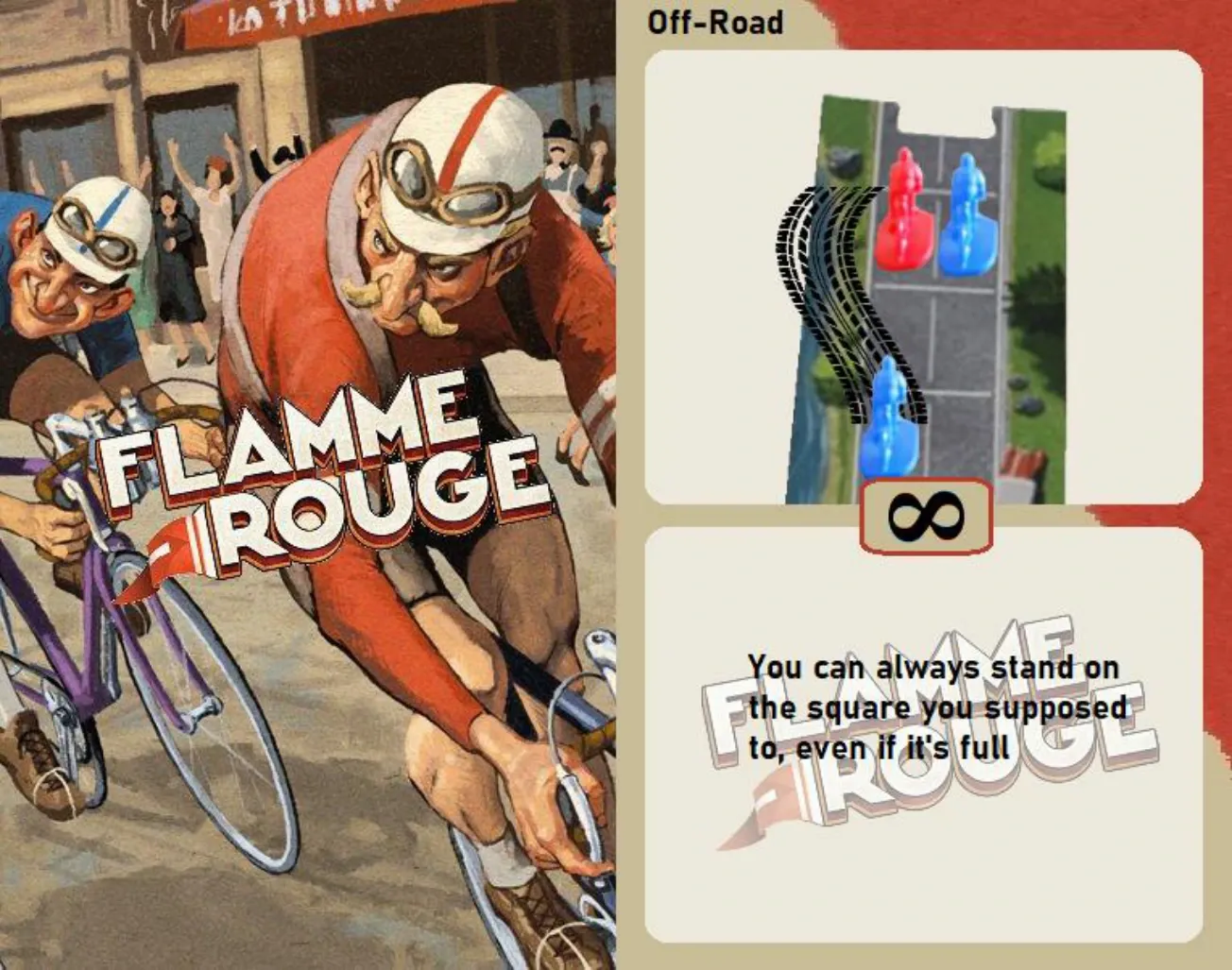 | Off-Road — For the stage, the assigned rider may stand beside the road when its destination square is full; exhaustion rules still apply. Free Expansion Pack rules. |
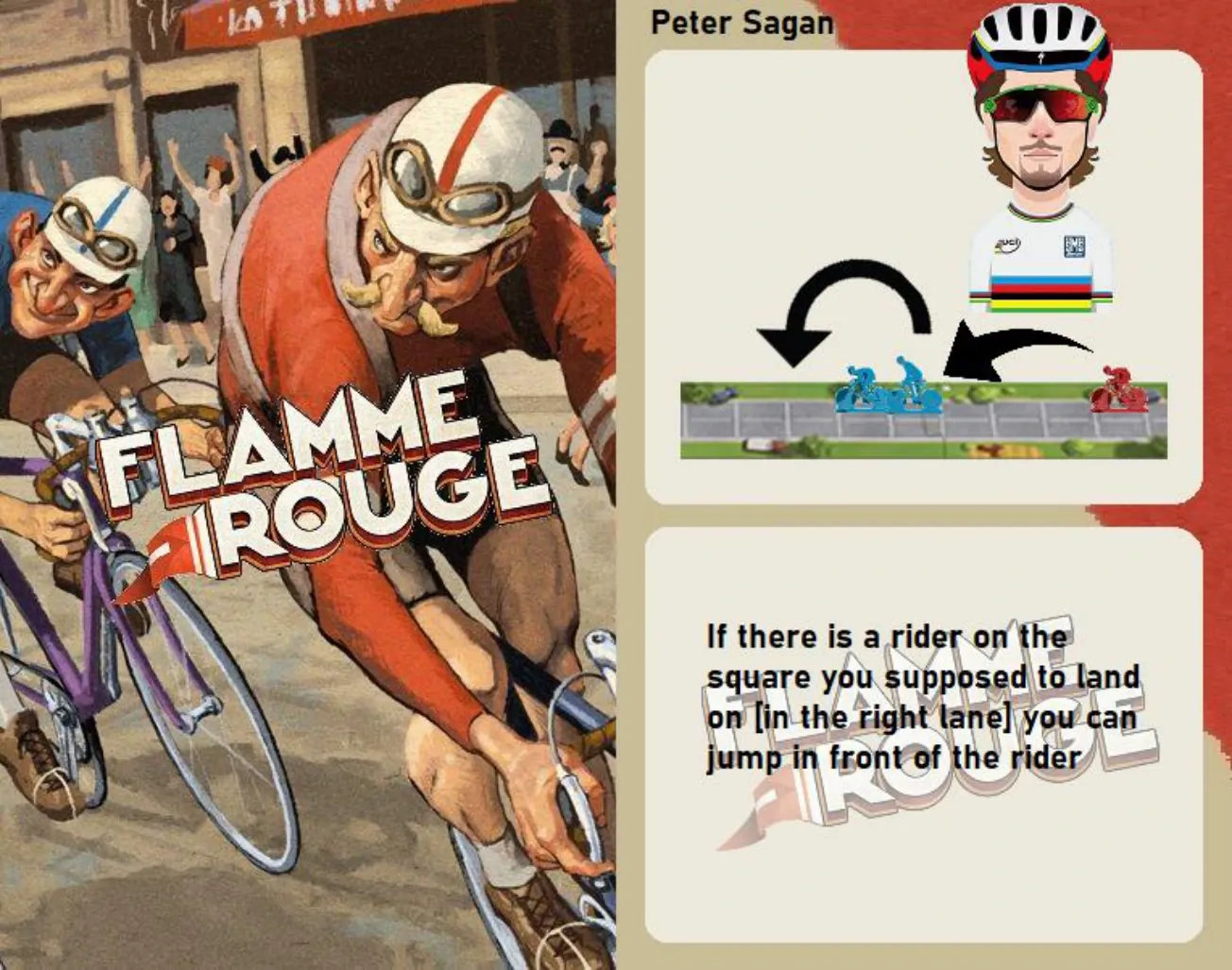 | Peter Sagan — Once this stage, jump ahead of the group occupying the destination square. Free Expansion Pack rules. |
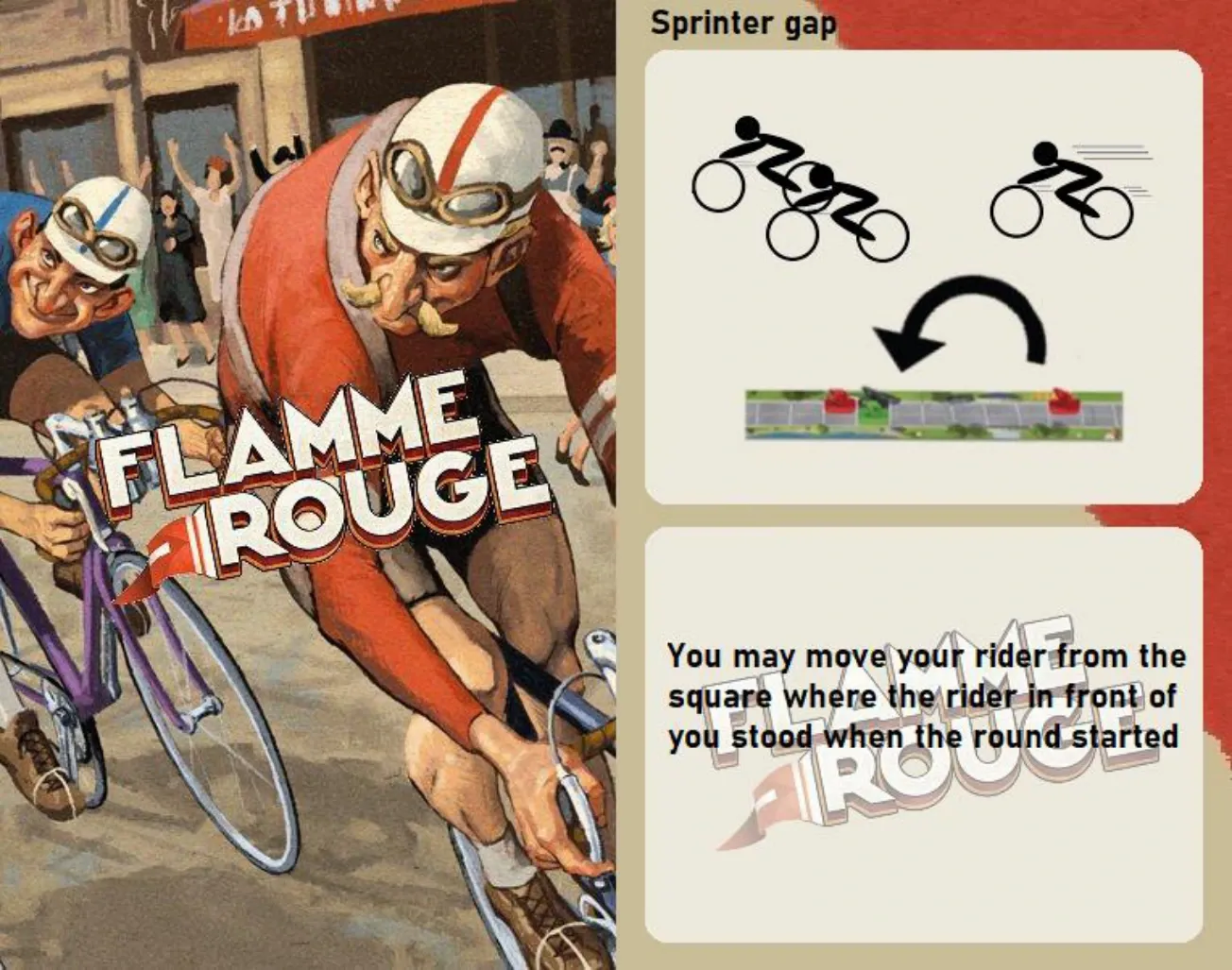 | Sprinter Gap — Once this stage, move to the square where the rider ahead started the round, even if that rider has since moved. Free Expansion Pack rules. |
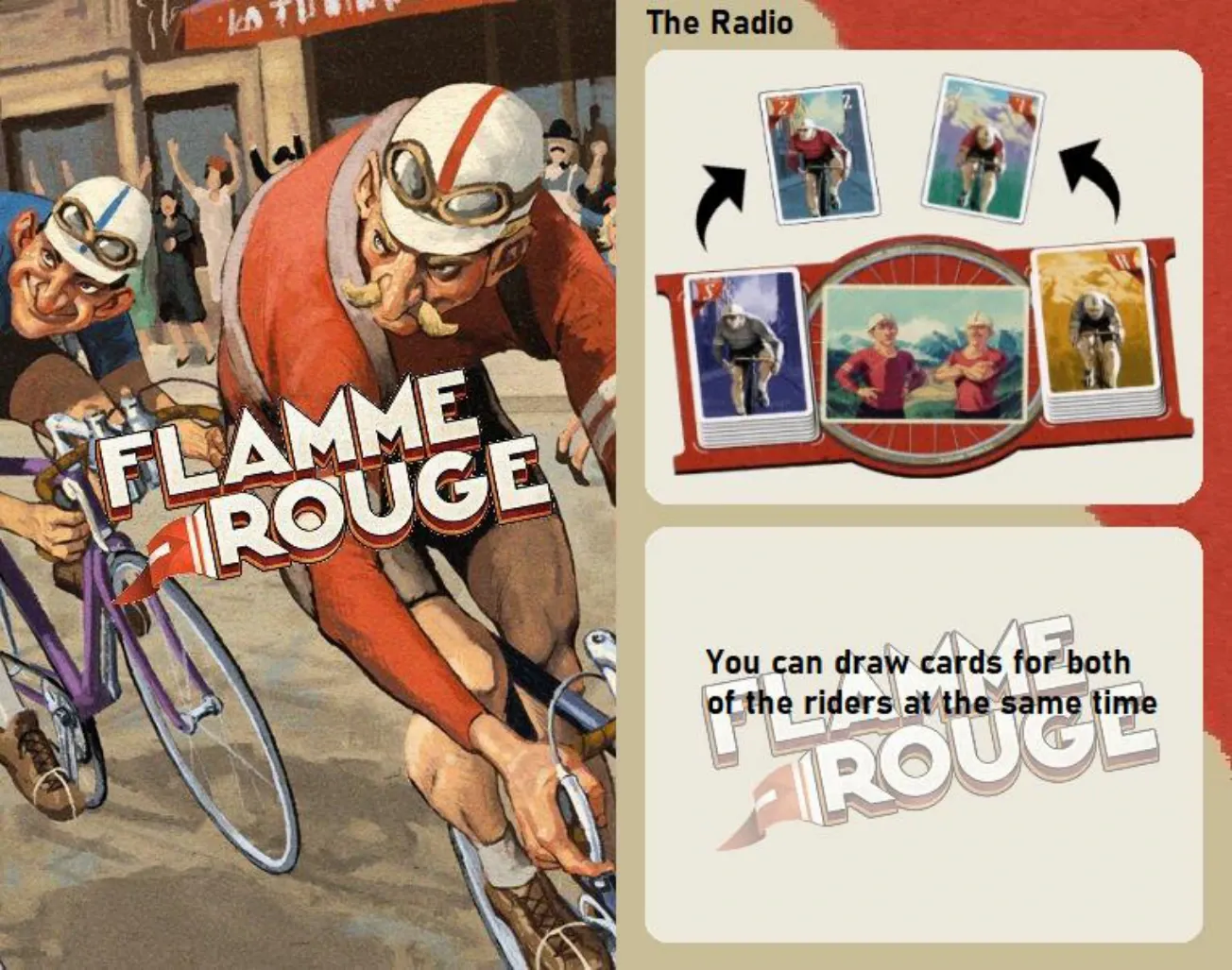 | The Radio — Once this stage, draw and select cards for both riders at the same time. Free Expansion Pack rules. |
 | The Sports Director — Once this stage, recycle your hand and draw four new cards. Free Expansion Pack rules. |
| To be added — Giro 2018 scenario cards | Community campaign route layouts. |
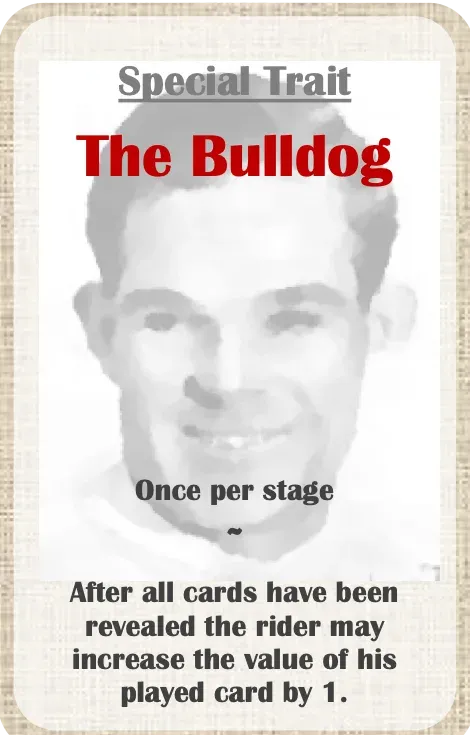 | The Bulldog — Once per stage after cards are revealed, add 1 to this rider’s selected card. Grand Tour Special Trait cards. |
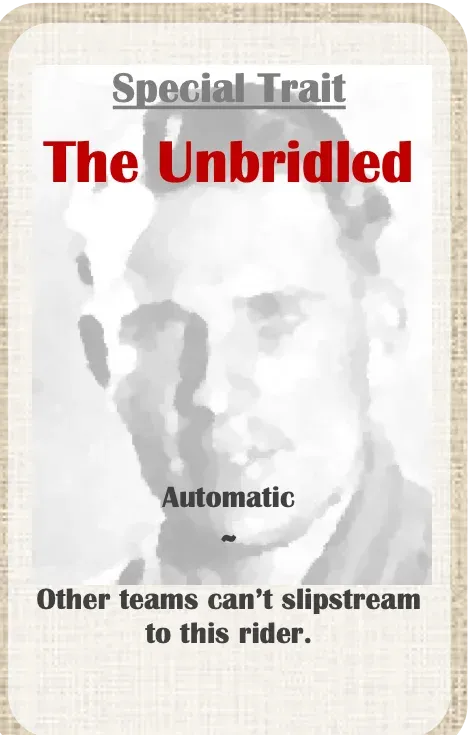 | The Unbridled — Other teams cannot slipstream to this rider. Grand Tour Special Trait cards. |
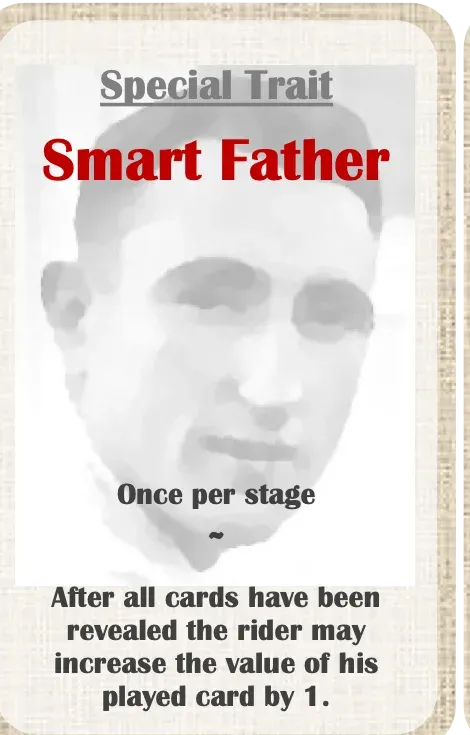 | Smart Father — Once per stage after cards are revealed, add 1 to this rider’s selected card. Grand Tour Special Trait cards. |
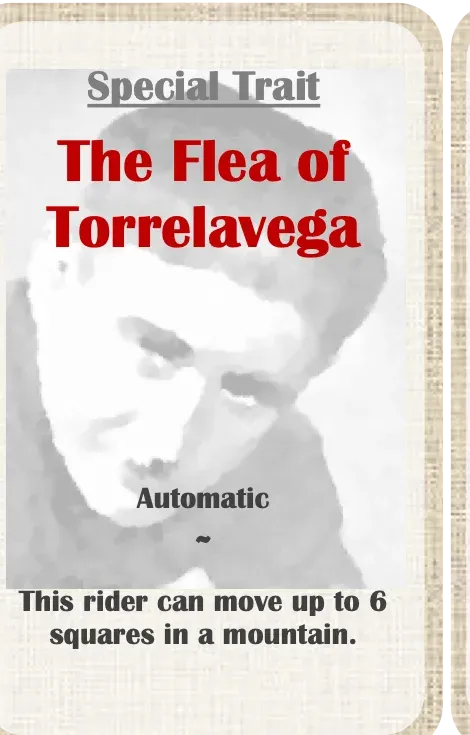 | The Flea of Torrelavega — This rider may move up to 6 spaces on a mountain. Grand Tour Special Trait cards. |
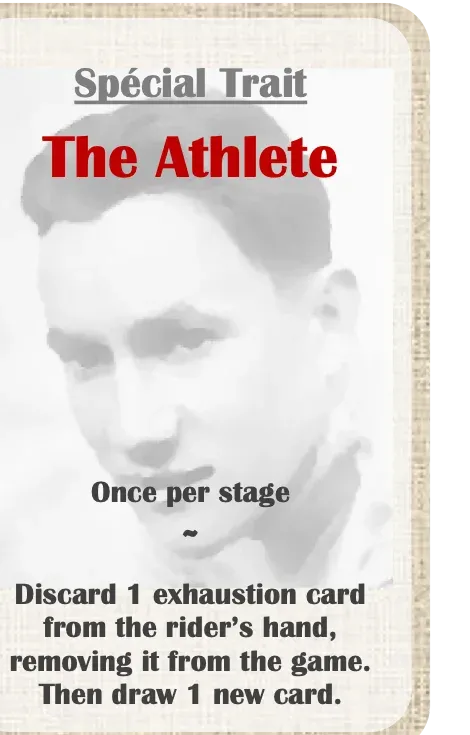 | The Athlete — Once per stage, remove one Exhaustion card from this rider’s hand, then draw a replacement card. Grand Tour Special Trait cards. |
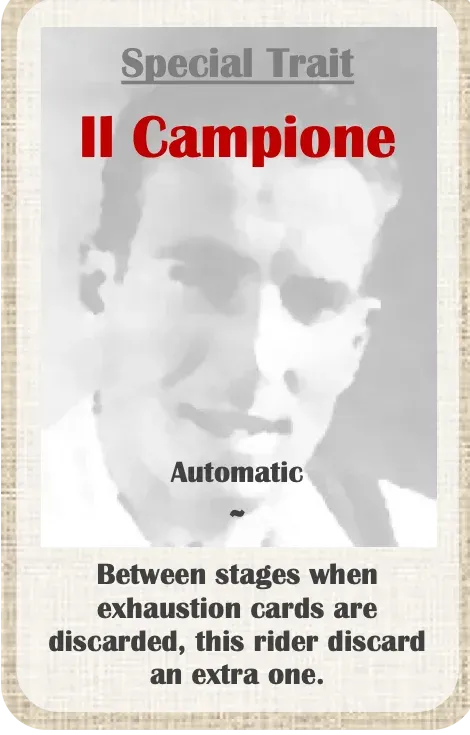 | Il Campione — Between stages, discard one additional Exhaustion card from this rider when removing Exhaustion. Grand Tour Special Trait cards. |
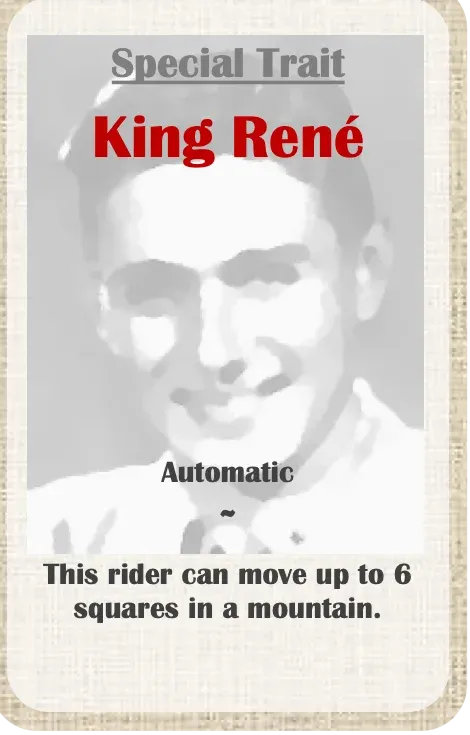 | King René — This rider may move up to 6 spaces on a mountain. Grand Tour Special Trait cards. |
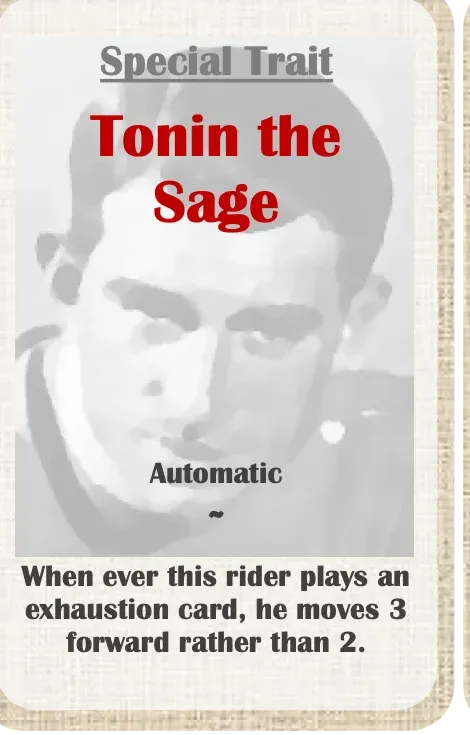 | Tonin the Sage — When this rider plays an Exhaustion card, move 3 spaces rather than 2. Grand Tour Special Trait cards. |
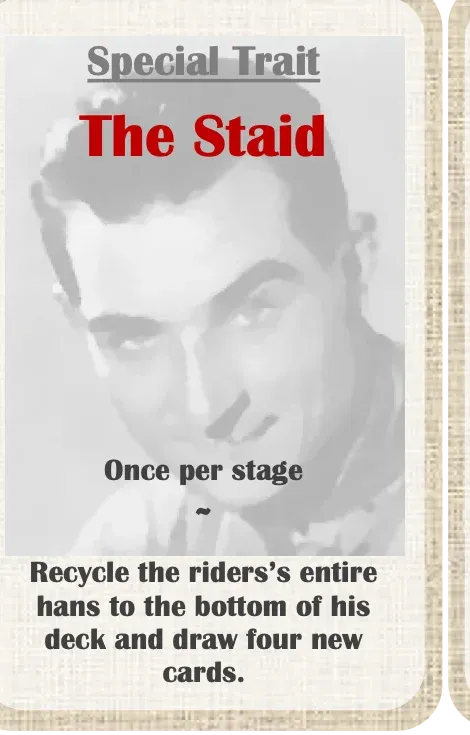 | The Staid — Once per stage, recycle this rider’s entire hand to the bottom of the deck, then draw four cards. Grand Tour Special Trait cards. |
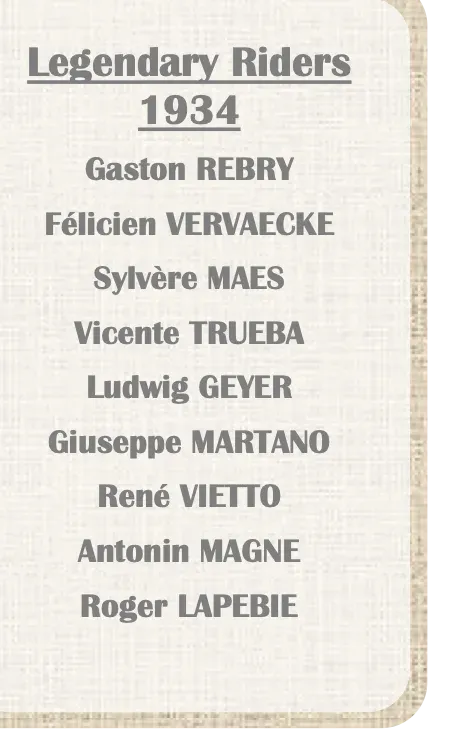 | Legendary Riders 1934 roster — Reference card listing the riders associated with this community trait set. Grand Tour Special Trait cards. |
| To be added — TdF 1934 timing and route components | Community eight-stage campaign components. |
| To be added — Le Mura di Lucca stage | Custom route credited to Giacomo Vaiani. |
| To be added — Finish-time table | Fan-made finish calculation variant. |
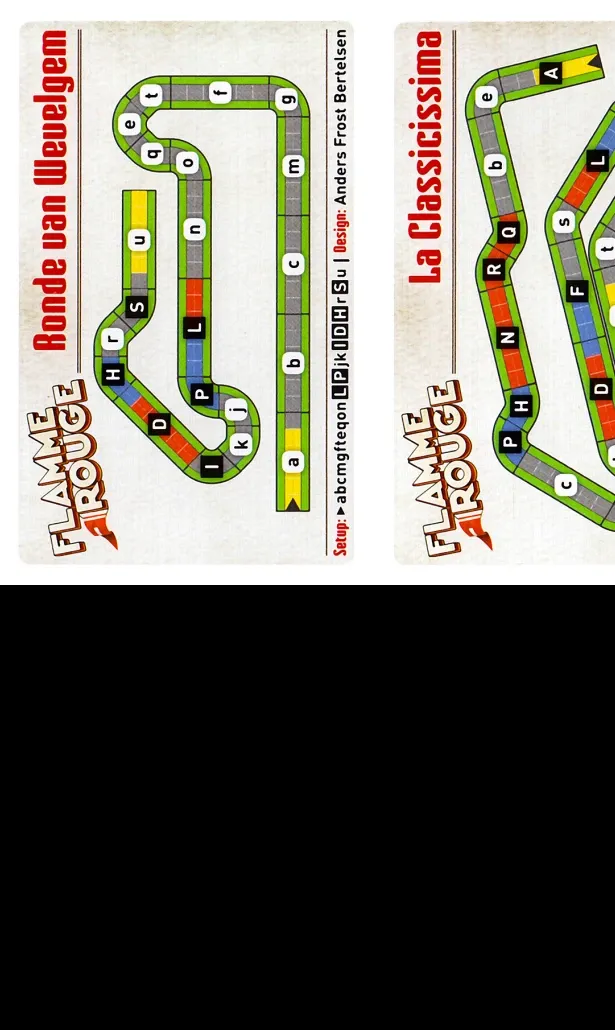 | Ronde van Wevelgem (Workshop route) — a custom route layout in the public TTS save; assemble the printed tile letters. Route building. |
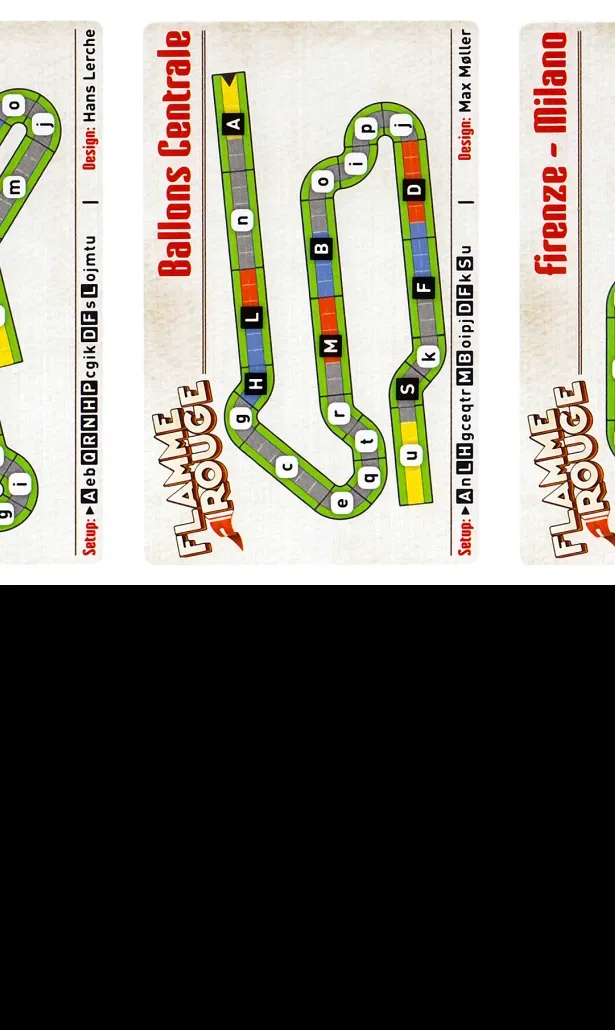 | La Classicissima (Workshop route) — a custom route layout in the public TTS save; assemble the printed tile letters. Route building. |
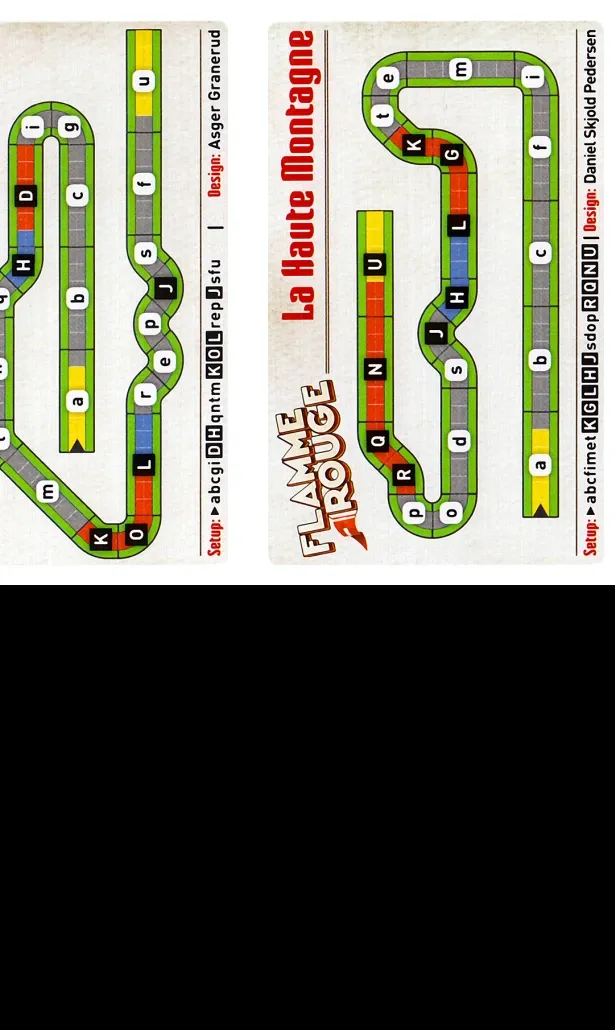 | Ballons Centrale (Workshop route) — a custom route layout in the public TTS save; assemble the printed tile letters. Route building. |
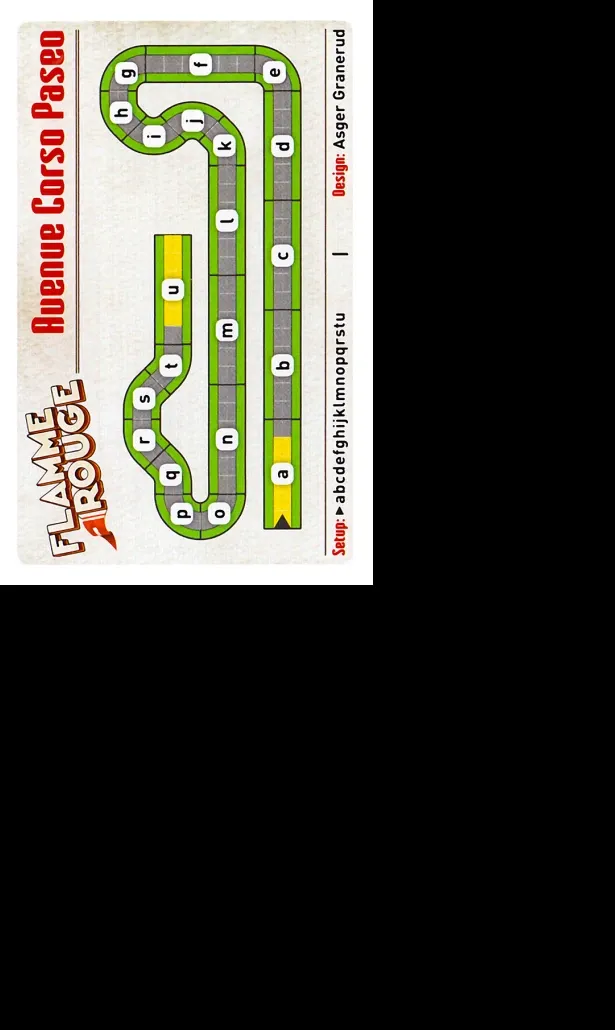 | Firenze–Milano (Workshop route) — a custom route layout in the public TTS save; assemble the printed tile letters. Route building. |
 | La Haute Montagne (Workshop route) — a custom route layout in the public TTS save; assemble the printed tile letters. Route building. |
Cards
Rouleur Energy faces
| Face | Use |
|---|---|
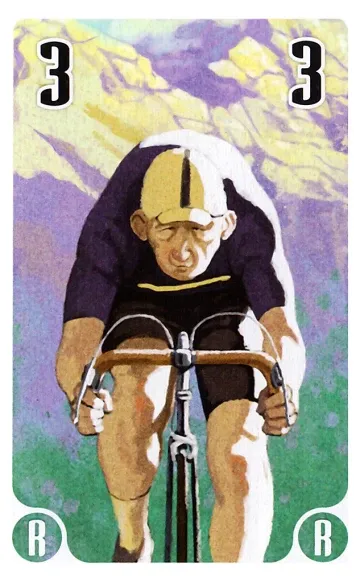 | Rouleur — artwork 1, value 3: move 3 spaces, subject to occupied-space and terrain rules. The five values are 3–7. Energy phase and movement. |
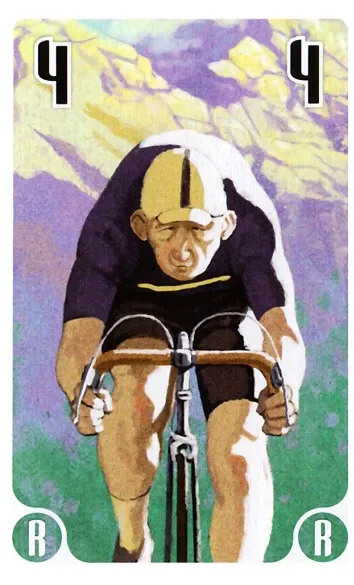 | Rouleur — artwork 1, value 4: move 4 spaces, subject to occupied-space and terrain rules. The five values are 3–7. Energy phase and movement. |
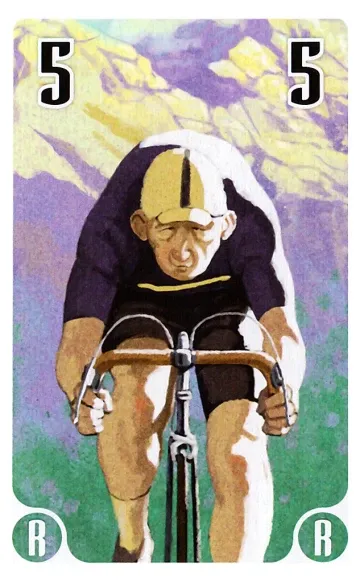 | Rouleur — artwork 1, value 5: move 5 spaces, subject to occupied-space and terrain rules. The five values are 3–7. Energy phase and movement. |
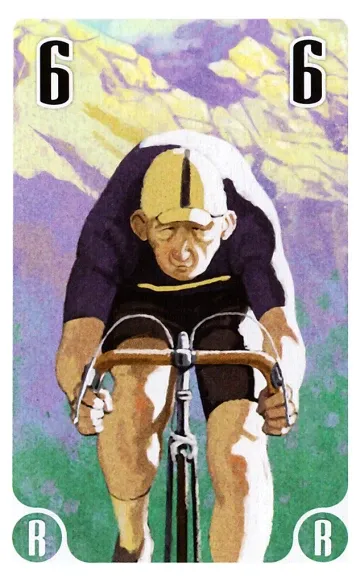 | Rouleur — artwork 1, value 6: move 6 spaces, subject to occupied-space and terrain rules. The five values are 3–7. Energy phase and movement. |
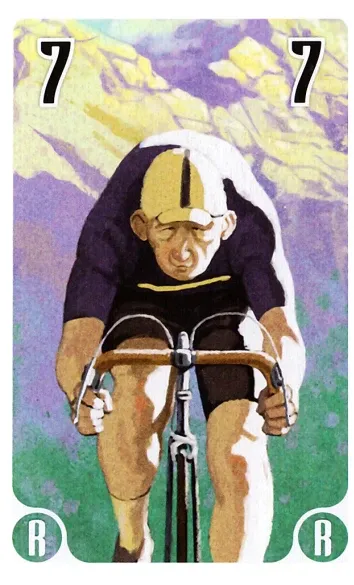 | Rouleur — artwork 1, value 7: move 7 spaces, subject to occupied-space and terrain rules. The five values are 3–7. Energy phase and movement. |
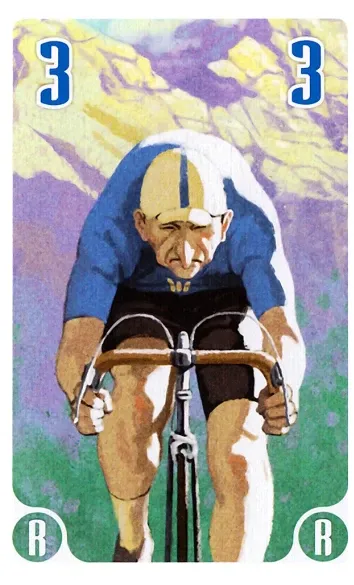 | Rouleur — artwork 2, value 3: move 3 spaces, subject to occupied-space and terrain rules. The five values are 3–7. Energy phase and movement. |
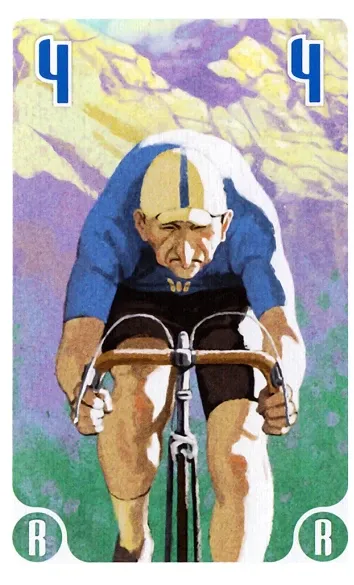 | Rouleur — artwork 2, value 4: move 4 spaces, subject to occupied-space and terrain rules. The five values are 3–7. Energy phase and movement. |
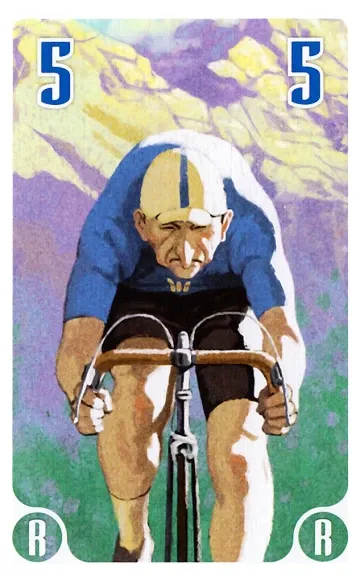 | Rouleur — artwork 2, value 5: move 5 spaces, subject to occupied-space and terrain rules. The five values are 3–7. Energy phase and movement. |
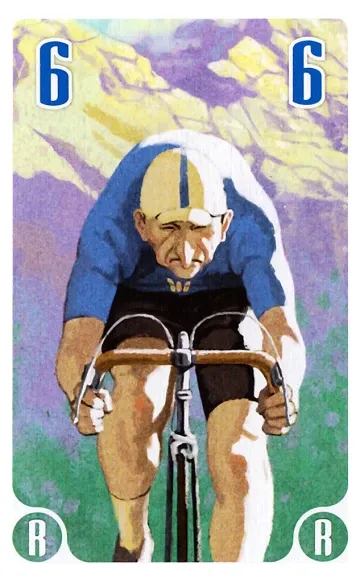 | Rouleur — artwork 2, value 6: move 6 spaces, subject to occupied-space and terrain rules. The five values are 3–7. Energy phase and movement. |
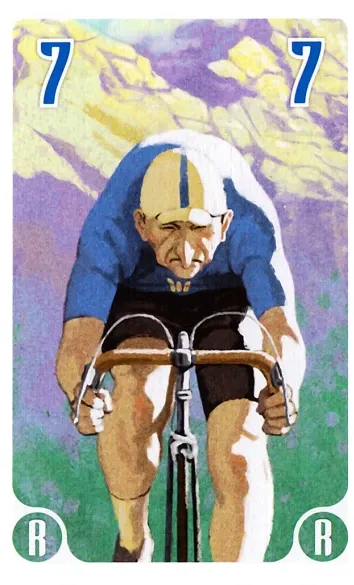 | Rouleur — artwork 2, value 7: move 7 spaces, subject to occupied-space and terrain rules. The five values are 3–7. Energy phase and movement. |
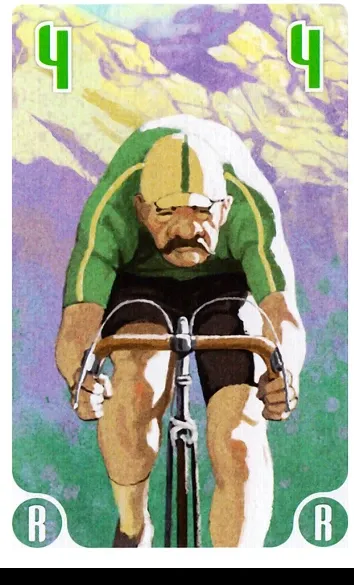 | Rouleur — artwork 3, value 3: move 3 spaces, subject to occupied-space and terrain rules. The five values are 3–7. Energy phase and movement. |
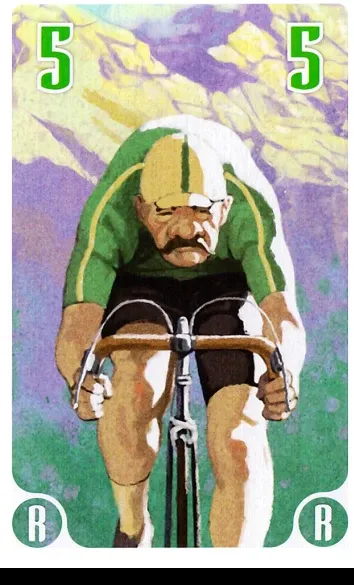 | Rouleur — artwork 3, value 4: move 4 spaces, subject to occupied-space and terrain rules. The five values are 3–7. Energy phase and movement. |
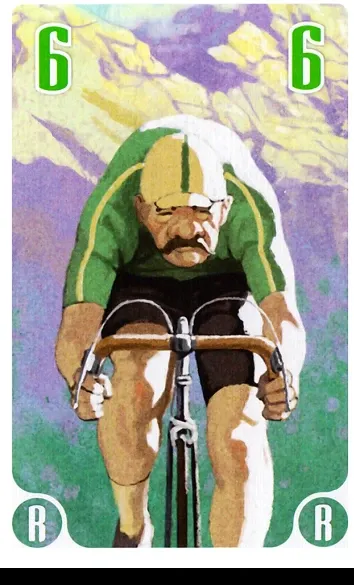 | Rouleur — artwork 3, value 5: move 5 spaces, subject to occupied-space and terrain rules. The five values are 3–7. Energy phase and movement. |
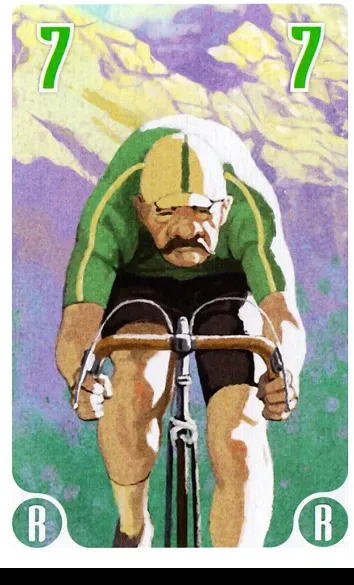 | Rouleur — artwork 3, value 6: move 6 spaces, subject to occupied-space and terrain rules. The five values are 3–7. Energy phase and movement. |
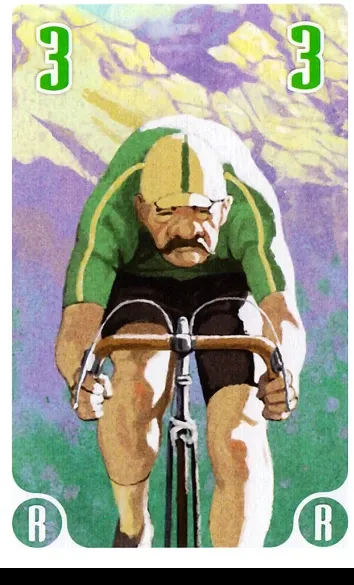 | Rouleur — artwork 3, value 7: move 7 spaces, subject to occupied-space and terrain rules. The five values are 3–7. Energy phase and movement. |
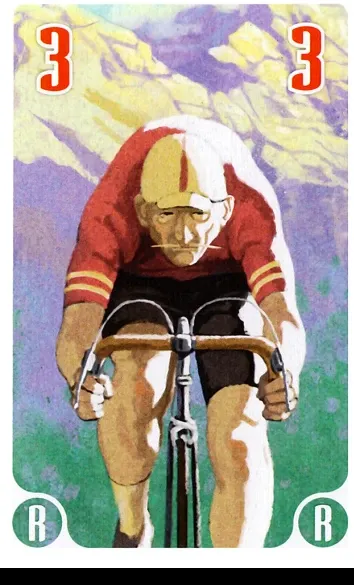 | Rouleur — artwork 4, value 3: move 3 spaces, subject to occupied-space and terrain rules. The five values are 3–7. Energy phase and movement. |
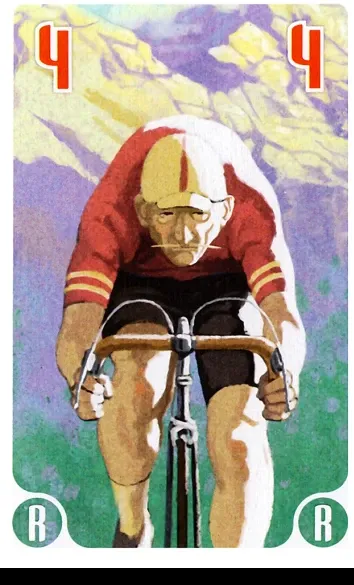 | Rouleur — artwork 4, value 4: move 4 spaces, subject to occupied-space and terrain rules. The five values are 3–7. Energy phase and movement. |
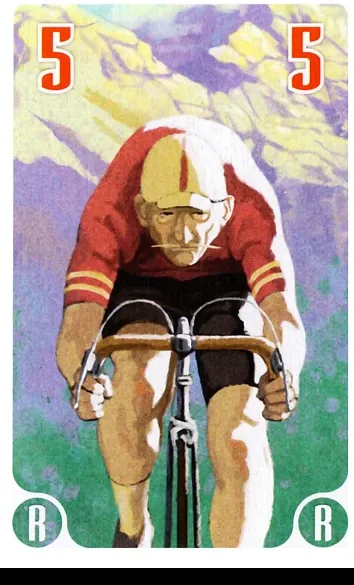 | Rouleur — artwork 4, value 5: move 5 spaces, subject to occupied-space and terrain rules. The five values are 3–7. Energy phase and movement. |
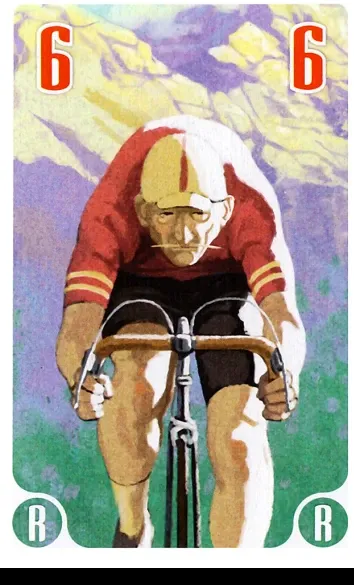 | Rouleur — artwork 4, value 6: move 6 spaces, subject to occupied-space and terrain rules. The five values are 3–7. Energy phase and movement. |
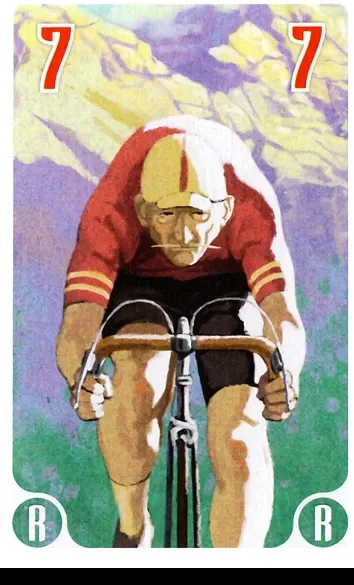 | Rouleur — artwork 4, value 7: move 7 spaces, subject to occupied-space and terrain rules. The five values are 3–7. Energy phase and movement. |
Sprinteur Energy faces
| Face | Use |
|---|---|
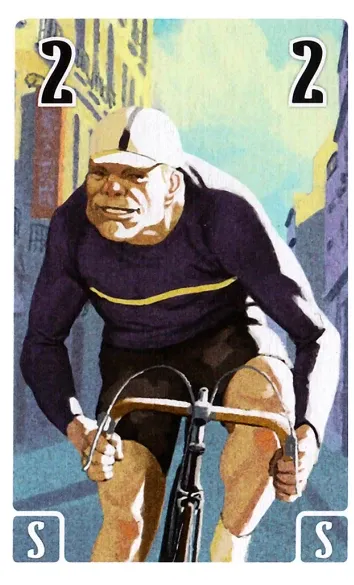 | Sprinteur — artwork 1, value 2: move 2 spaces, subject to occupied-space and terrain rules. The five values are 2, 3, 4, 5 and 9. Energy phase and movement. |
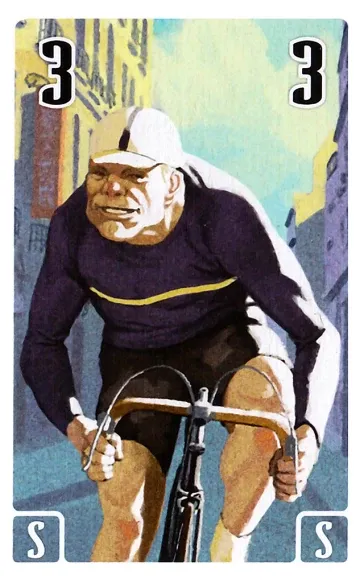 | Sprinteur — artwork 1, value 3: move 3 spaces, subject to occupied-space and terrain rules. The five values are 2, 3, 4, 5 and 9. Energy phase and movement. |
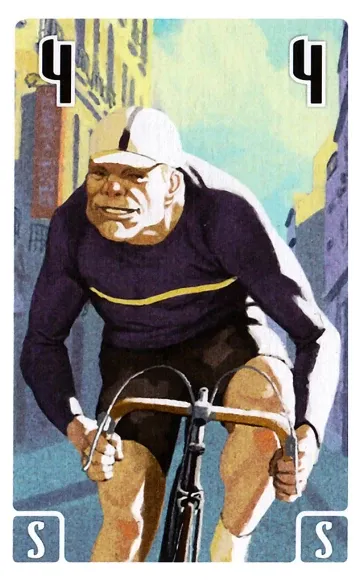 | Sprinteur — artwork 1, value 4: move 4 spaces, subject to occupied-space and terrain rules. The five values are 2, 3, 4, 5 and 9. Energy phase and movement. |
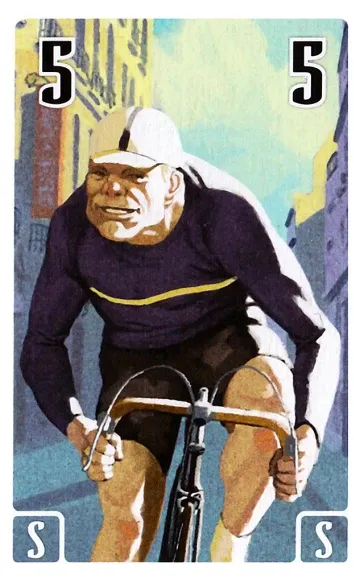 | Sprinteur — artwork 1, value 5: move 5 spaces, subject to occupied-space and terrain rules. The five values are 2, 3, 4, 5 and 9. Energy phase and movement. |
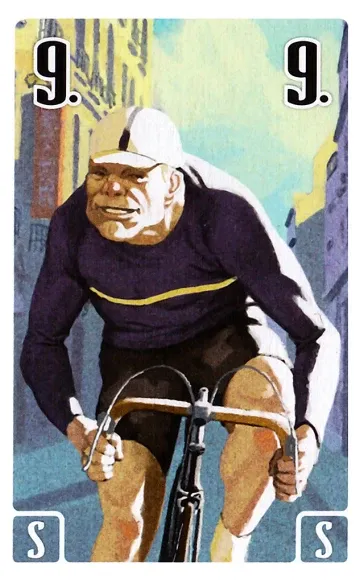 | Sprinteur — artwork 1, value 9: move 9 spaces, subject to occupied-space and terrain rules. The five values are 2, 3, 4, 5 and 9. Energy phase and movement. |
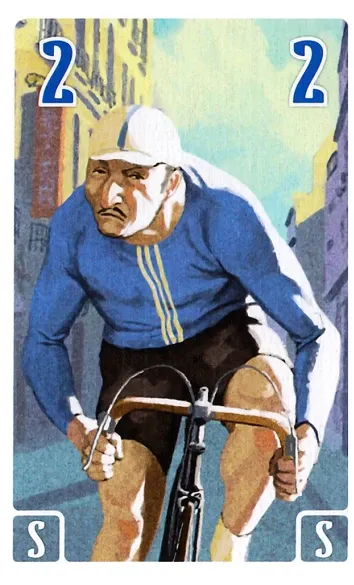 | Sprinteur — artwork 2, value 2: move 2 spaces, subject to occupied-space and terrain rules. The five values are 2, 3, 4, 5 and 9. Energy phase and movement. |
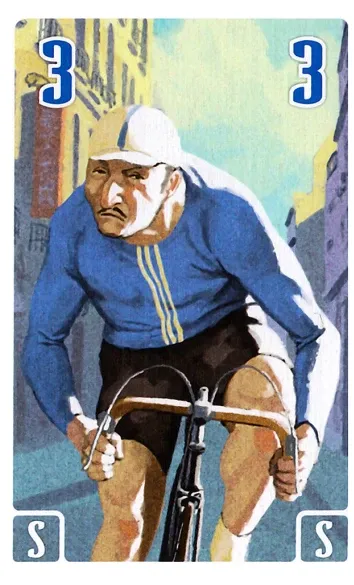 | Sprinteur — artwork 2, value 3: move 3 spaces, subject to occupied-space and terrain rules. The five values are 2, 3, 4, 5 and 9. Energy phase and movement. |
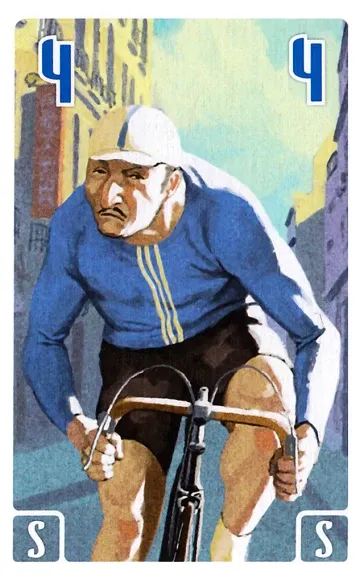 | Sprinteur — artwork 2, value 4: move 4 spaces, subject to occupied-space and terrain rules. The five values are 2, 3, 4, 5 and 9. Energy phase and movement. |
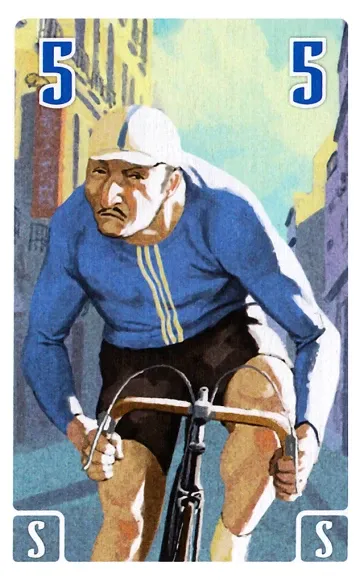 | Sprinteur — artwork 2, value 5: move 5 spaces, subject to occupied-space and terrain rules. The five values are 2, 3, 4, 5 and 9. Energy phase and movement. |
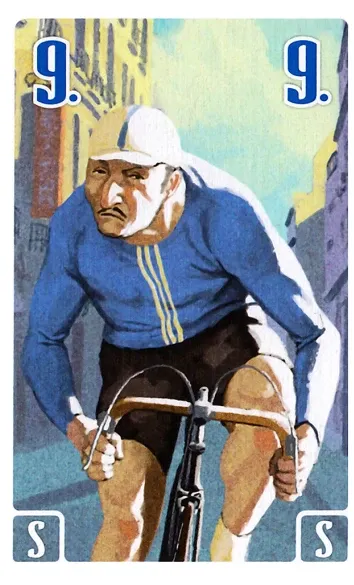 | Sprinteur — artwork 2, value 9: move 9 spaces, subject to occupied-space and terrain rules. The five values are 2, 3, 4, 5 and 9. Energy phase and movement. |
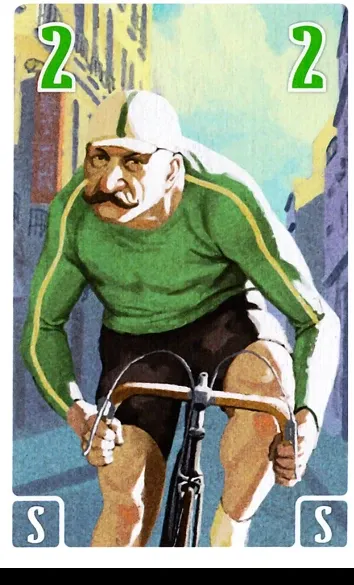 | Sprinteur — artwork 3, value 2: move 2 spaces, subject to occupied-space and terrain rules. The five values are 2, 3, 4, 5 and 9. Energy phase and movement. |
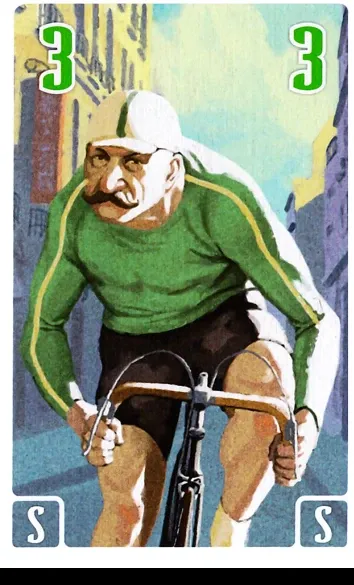 | Sprinteur — artwork 3, value 3: move 3 spaces, subject to occupied-space and terrain rules. The five values are 2, 3, 4, 5 and 9. Energy phase and movement. |
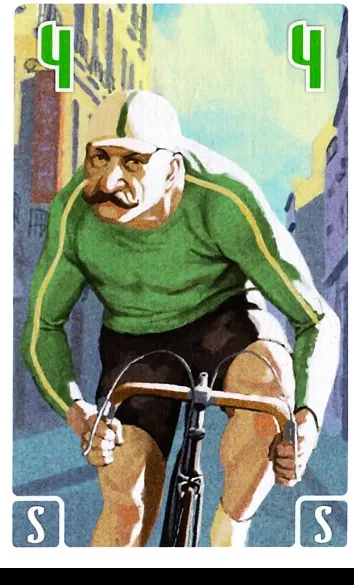 | Sprinteur — artwork 3, value 4: move 4 spaces, subject to occupied-space and terrain rules. The five values are 2, 3, 4, 5 and 9. Energy phase and movement. |
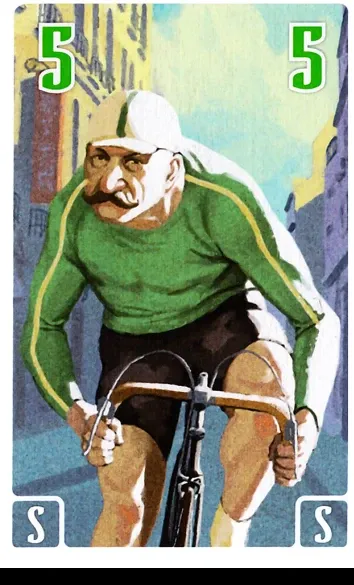 | Sprinteur — artwork 3, value 5: move 5 spaces, subject to occupied-space and terrain rules. The five values are 2, 3, 4, 5 and 9. Energy phase and movement. |
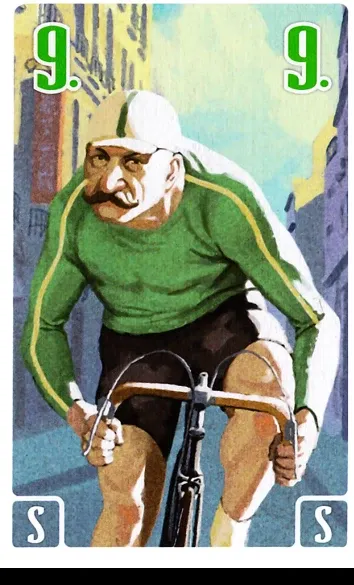 | Sprinteur — artwork 3, value 9: move 9 spaces, subject to occupied-space and terrain rules. The five values are 2, 3, 4, 5 and 9. Energy phase and movement. |
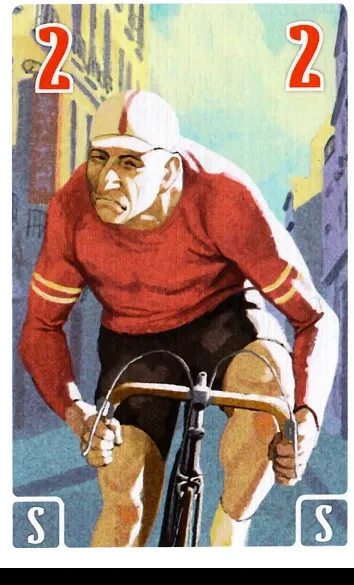 | Sprinteur — artwork 4, value 2: move 2 spaces, subject to occupied-space and terrain rules. The five values are 2, 3, 4, 5 and 9. Energy phase and movement. |
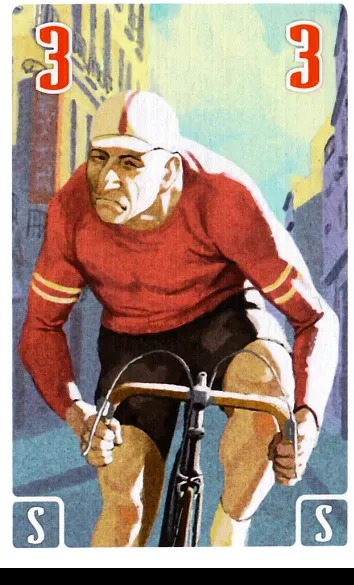 | Sprinteur — artwork 4, value 3: move 3 spaces, subject to occupied-space and terrain rules. The five values are 2, 3, 4, 5 and 9. Energy phase and movement. |
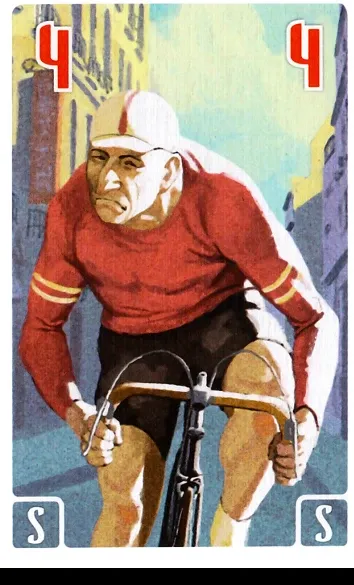 | Sprinteur — artwork 4, value 4: move 4 spaces, subject to occupied-space and terrain rules. The five values are 2, 3, 4, 5 and 9. Energy phase and movement. |
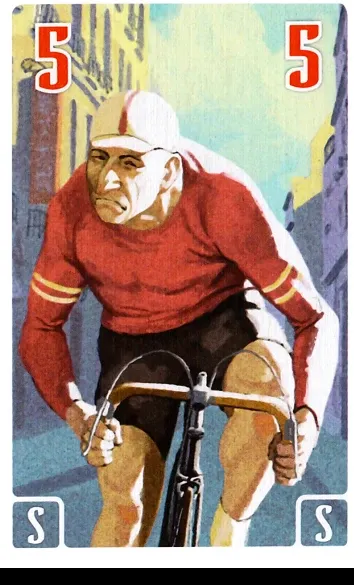 | Sprinteur — artwork 4, value 5: move 5 spaces, subject to occupied-space and terrain rules. The five values are 2, 3, 4, 5 and 9. Energy phase and movement. |
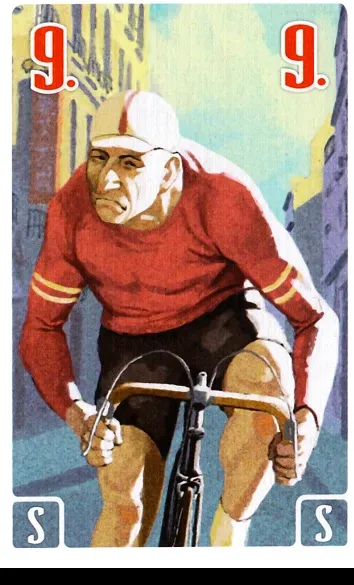 | Sprinteur — artwork 4, value 9: move 9 spaces, subject to occupied-space and terrain rules. The five values are 2, 3, 4, 5 and 9. Energy phase and movement. |
Exhaustion cards
| Face | Use |
|---|---|
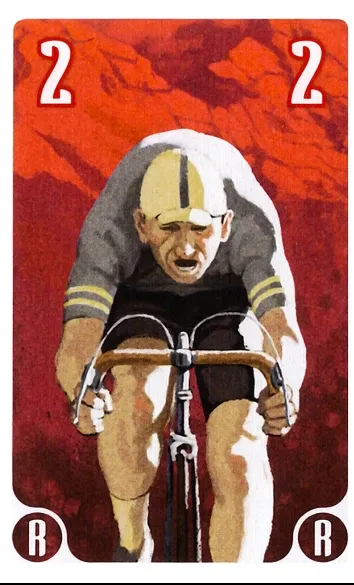 | Rouleur Exhaustion 2 — a weak movement card added to the Rouleur’s recycling pile when the rider is exposed. Exhaustion. |
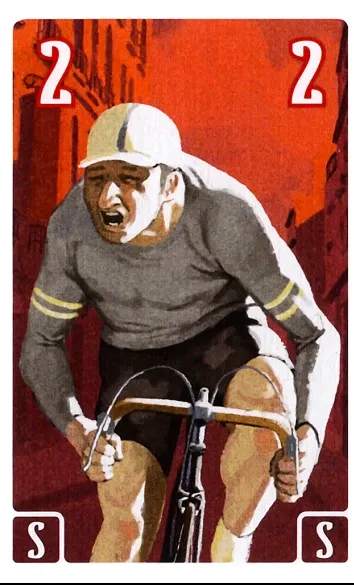 | Sprinteur Exhaustion 2 — a weak movement card added to the Sprinteur’s recycling pile when the rider is exposed. Exhaustion. |
Base track tile faces
| Face | Use |
|---|---|
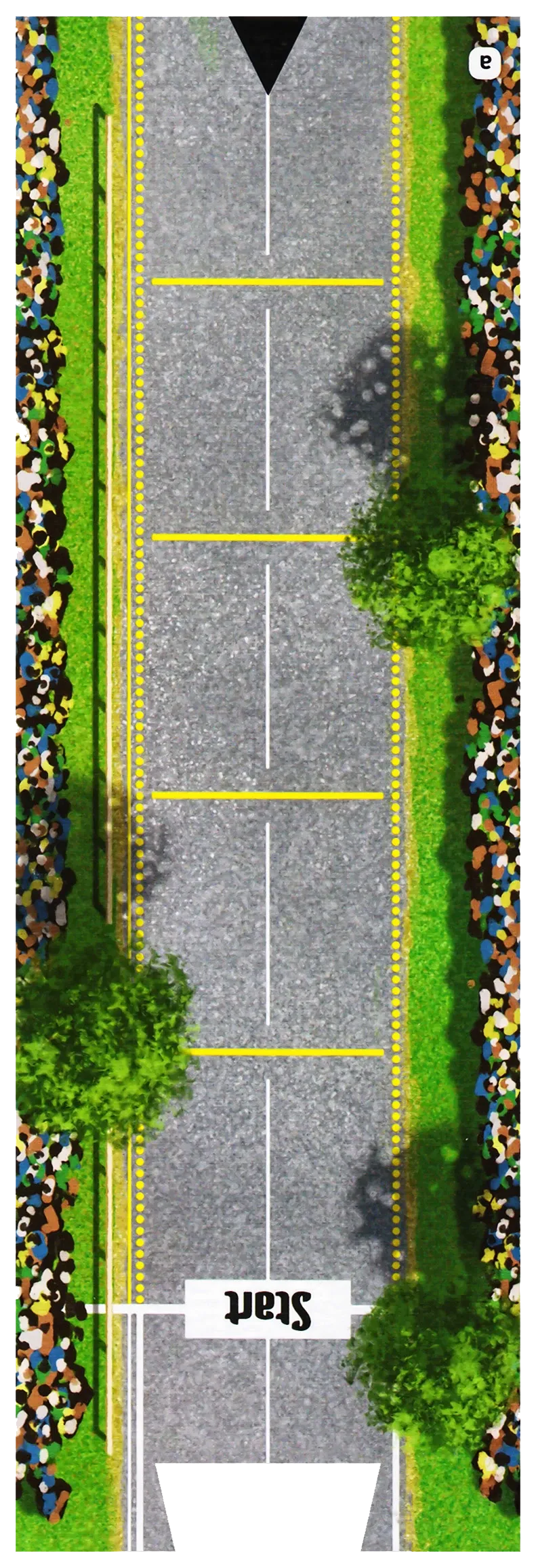 | Tile a (lowercase face) — this side provides the a route section; follow its printed lane and terrain layout when the selected stage card calls for it. Route building and terrain. |
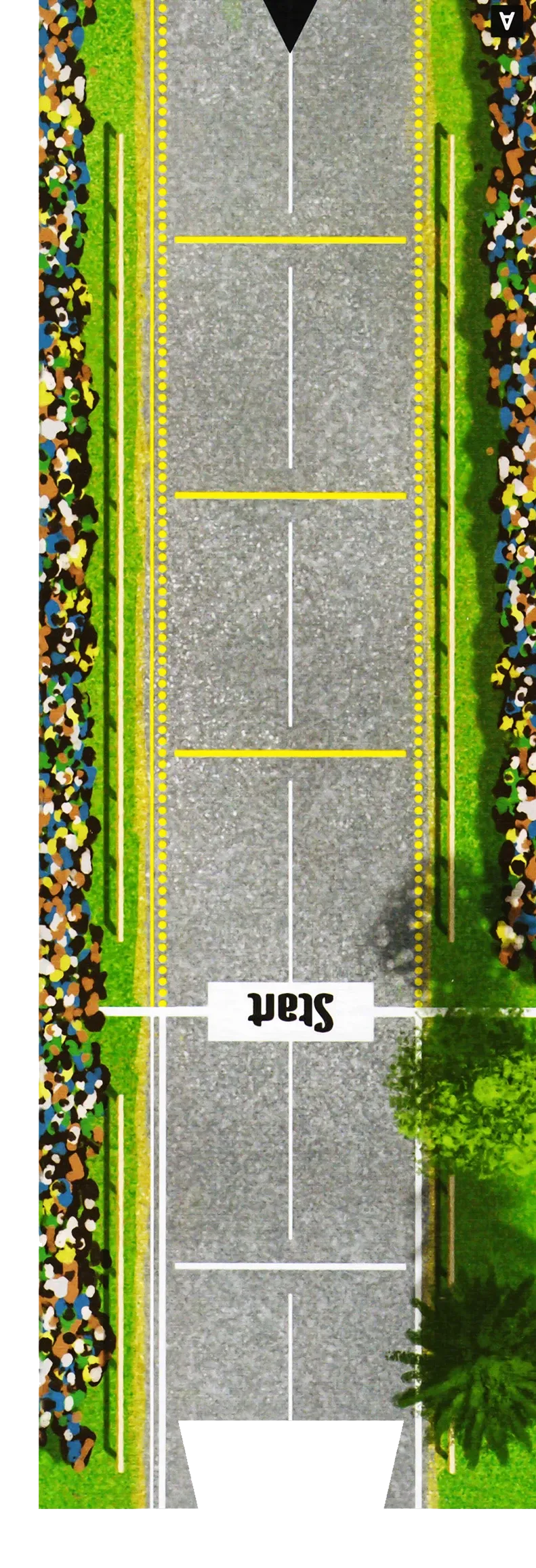 | Tile A (uppercase face) — this side provides the A route section; follow its printed lane and terrain layout when the selected stage card calls for it. Route building and terrain. |
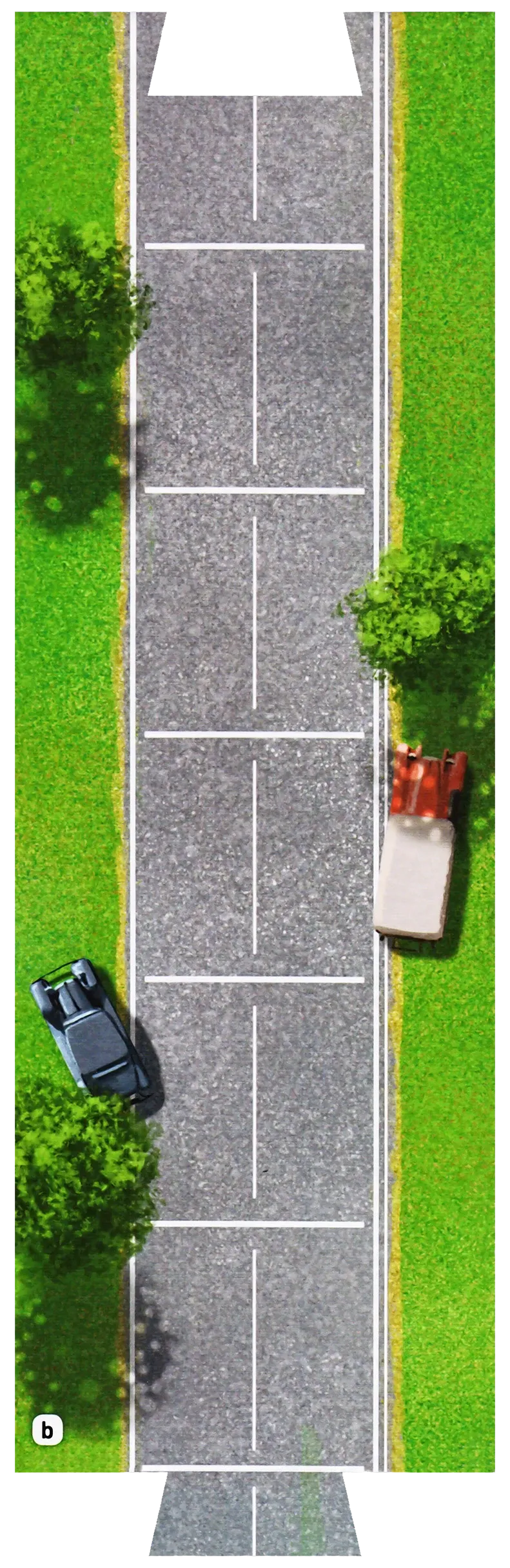 | Tile b (lowercase face) — this side provides the b route section; follow its printed lane and terrain layout when the selected stage card calls for it. Route building and terrain. |
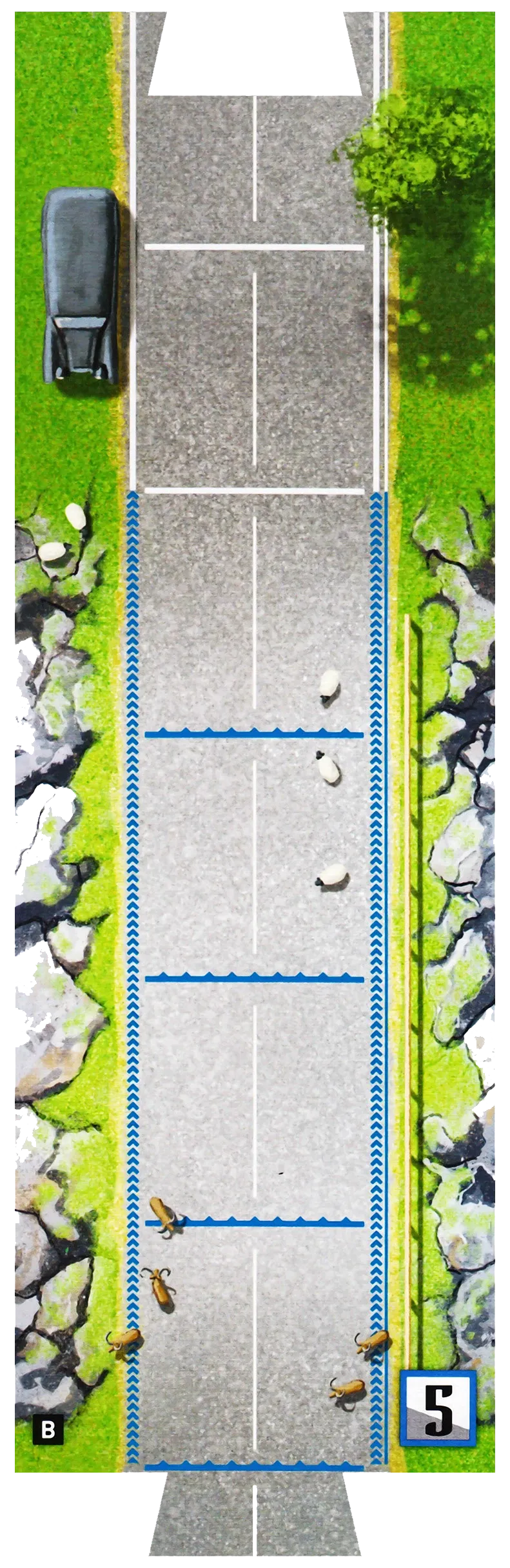 | Tile B (uppercase face) — this side provides the B route section; follow its printed lane and terrain layout when the selected stage card calls for it. Route building and terrain. |
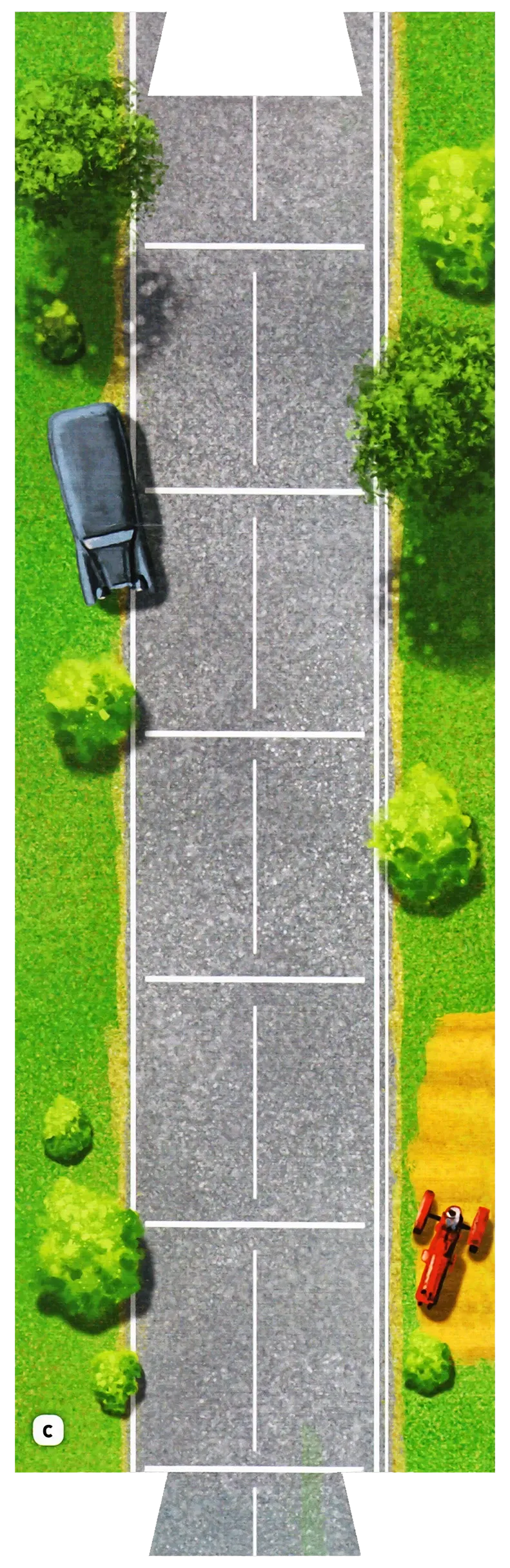 | Tile c (lowercase face) — this side provides the c route section; follow its printed lane and terrain layout when the selected stage card calls for it. Route building and terrain. |
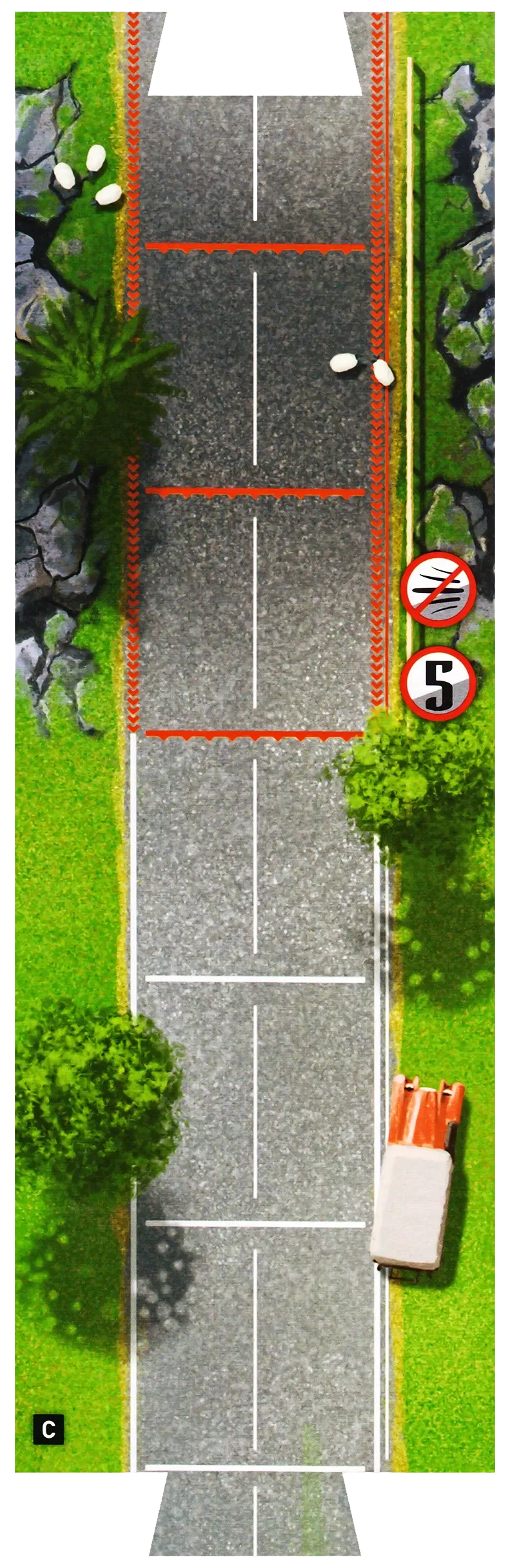 | Tile C (uppercase face) — this side provides the C route section; follow its printed lane and terrain layout when the selected stage card calls for it. Route building and terrain. |
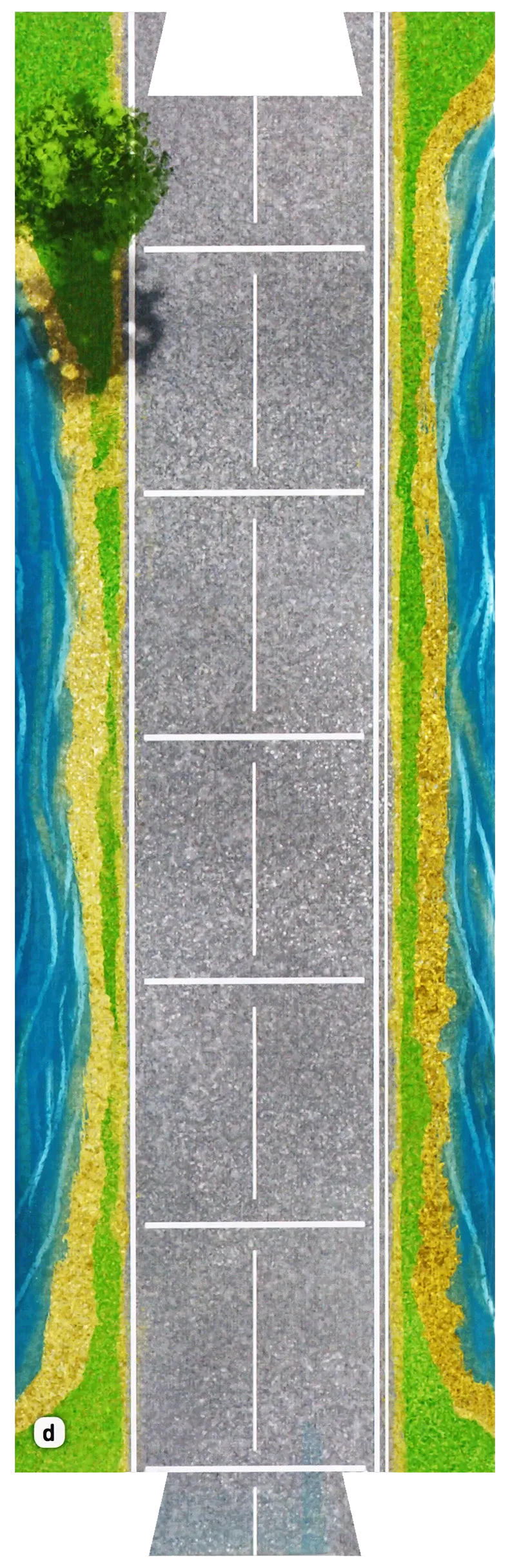 | Tile d (lowercase face) — this side provides the d route section; follow its printed lane and terrain layout when the selected stage card calls for it. Route building and terrain. |
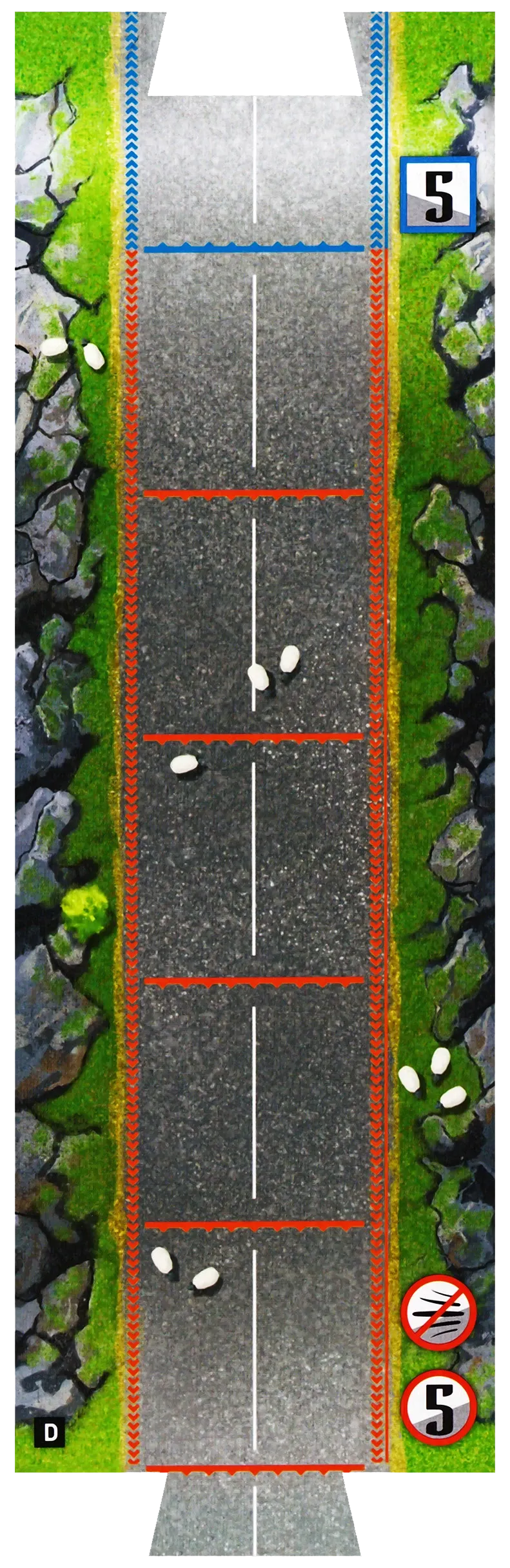 | Tile D (uppercase face) — this side provides the D route section; follow its printed lane and terrain layout when the selected stage card calls for it. Route building and terrain. |
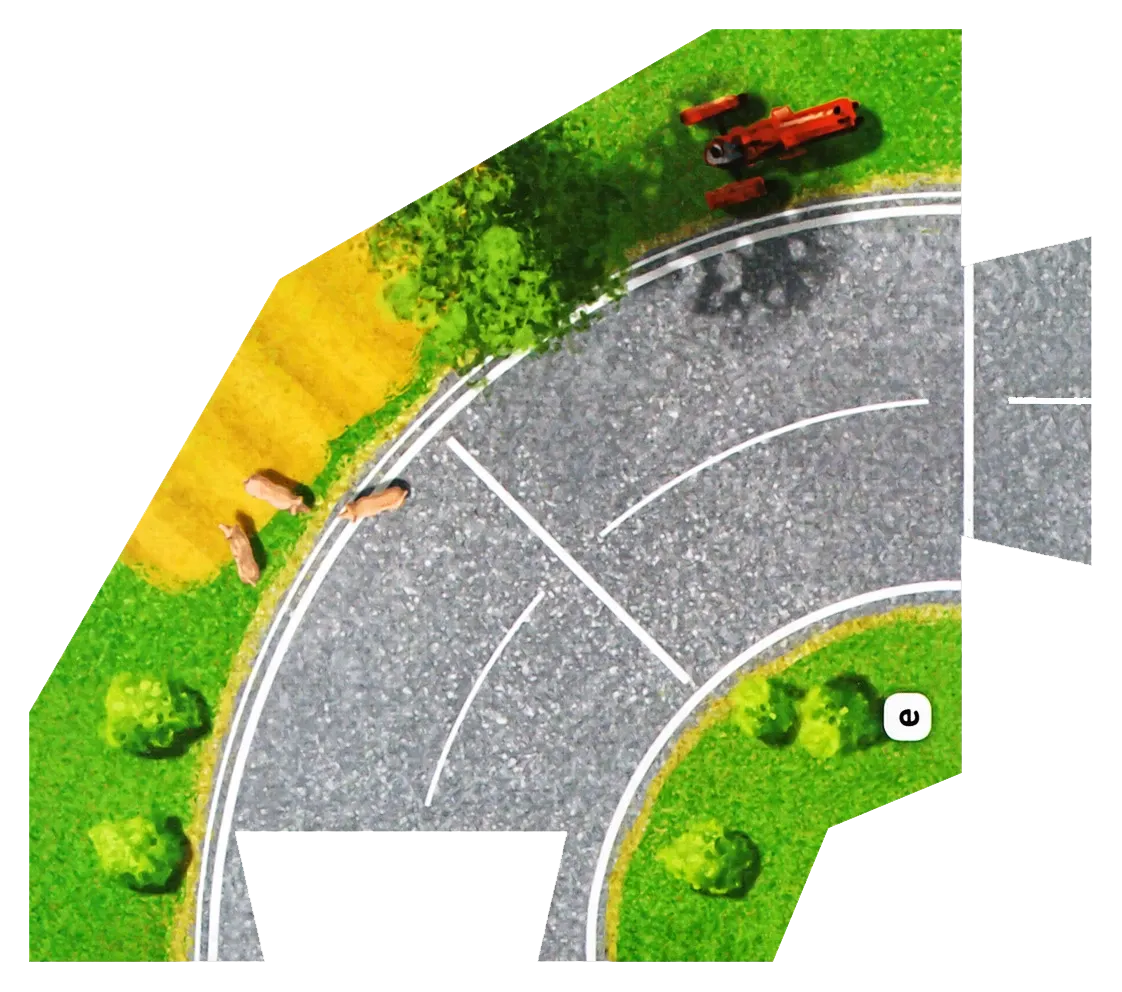 | Tile e (lowercase face) — this side provides the e route section; follow its printed lane and terrain layout when the selected stage card calls for it. Route building and terrain. |
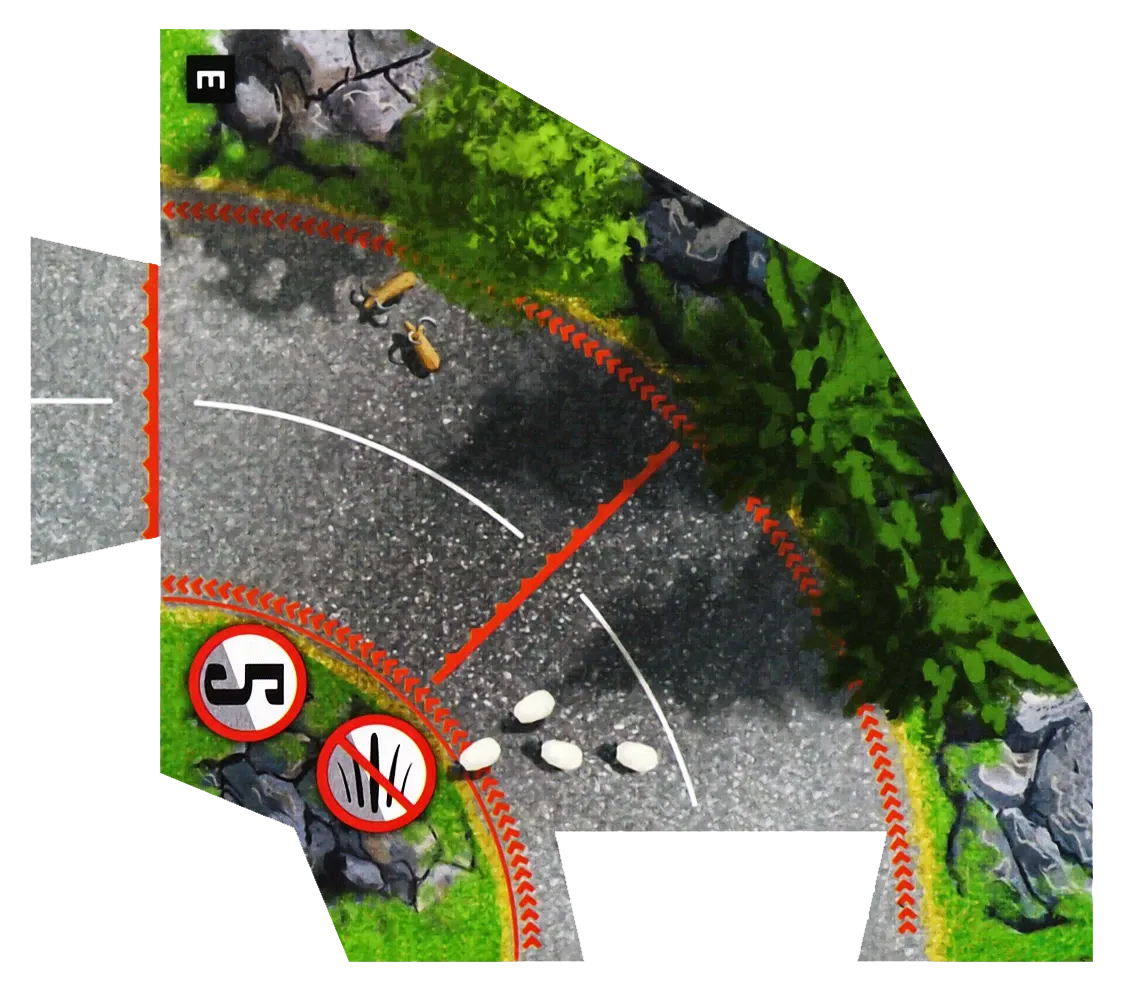 | Tile E (uppercase face) — this side provides the E route section; follow its printed lane and terrain layout when the selected stage card calls for it. Route building and terrain. |
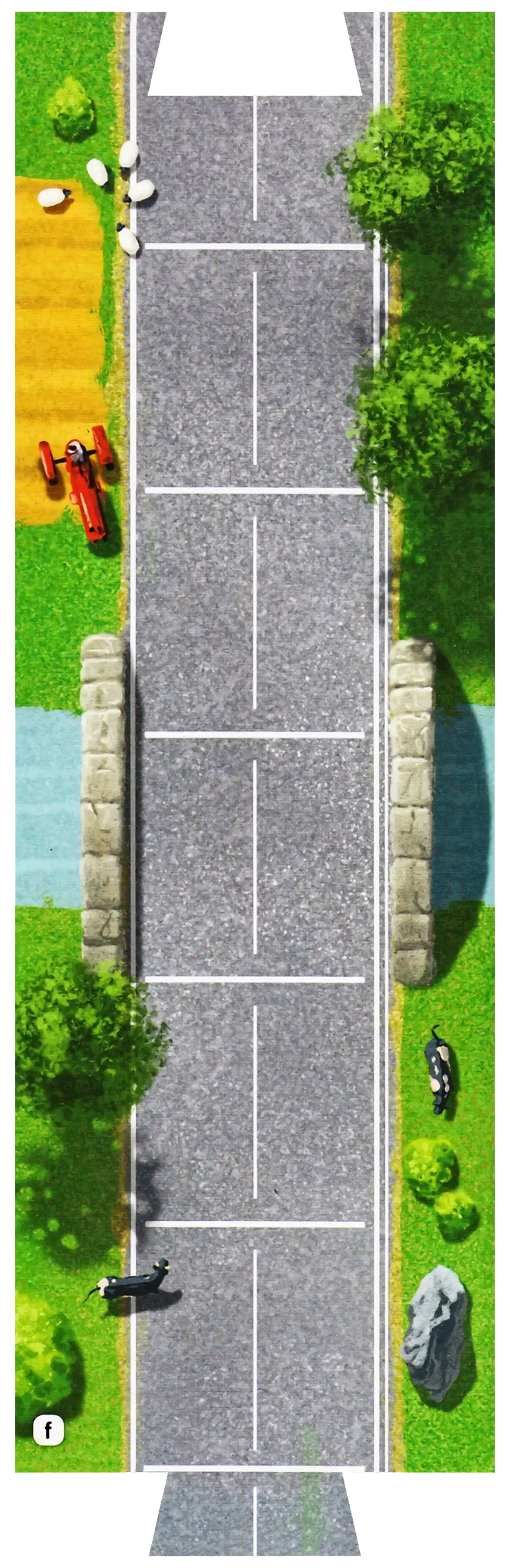 | Tile f (lowercase face) — this side provides the f route section; follow its printed lane and terrain layout when the selected stage card calls for it. Route building and terrain. |
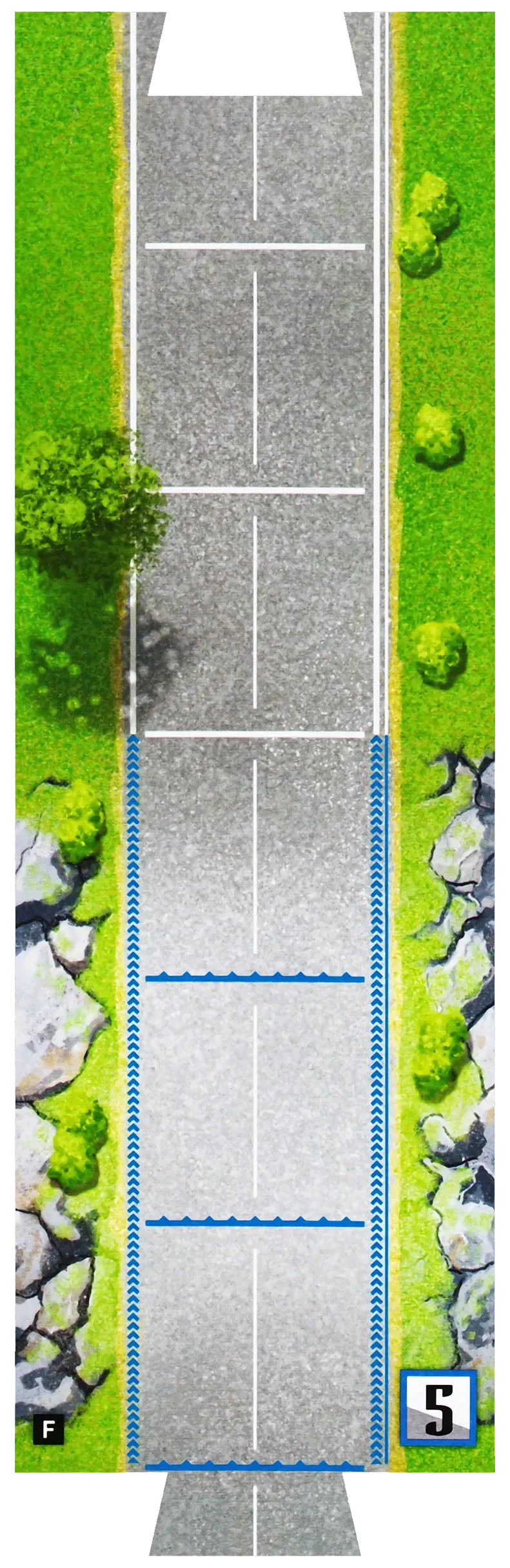 | Tile F (uppercase face) — this side provides the F route section; follow its printed lane and terrain layout when the selected stage card calls for it. Route building and terrain. |
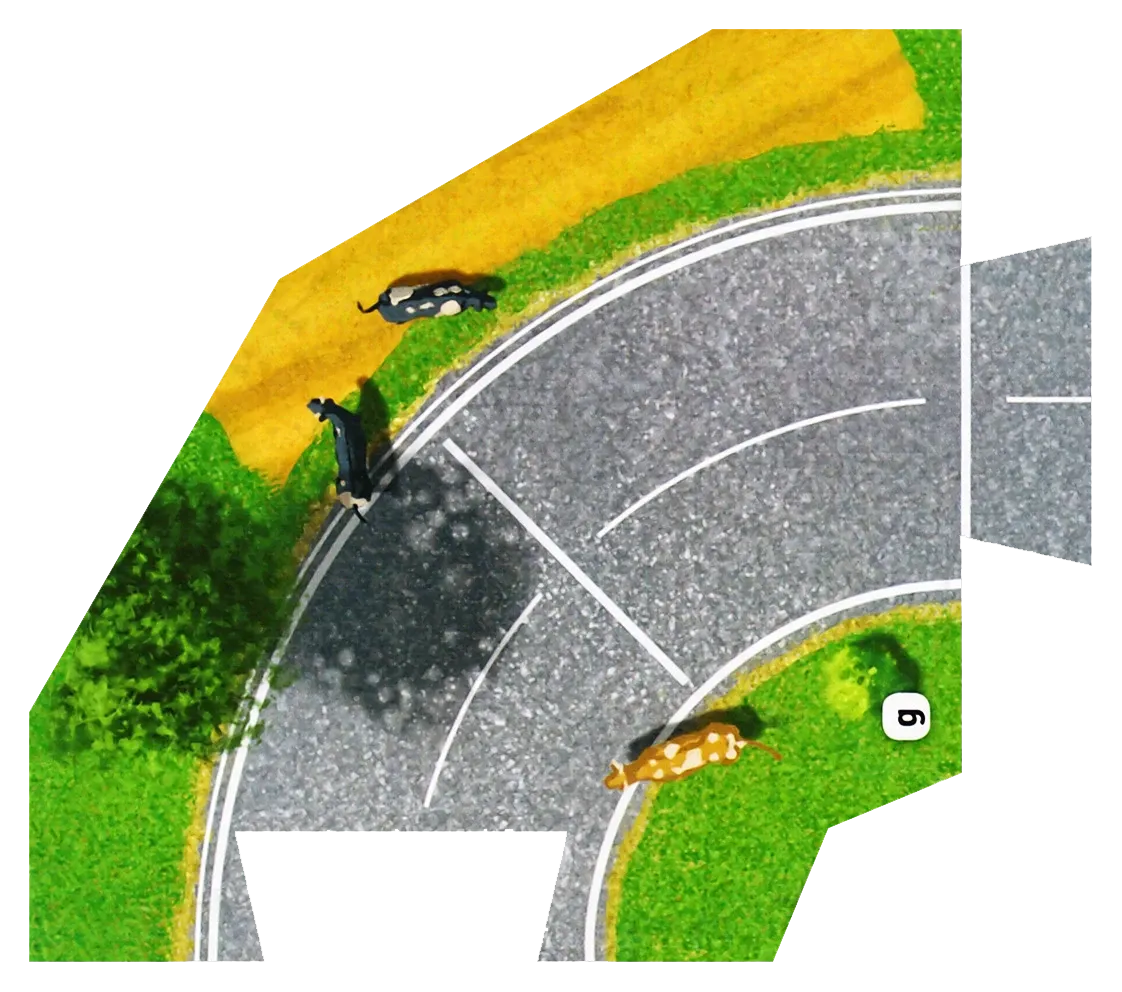 | Tile g (lowercase face) — this side provides the g route section; follow its printed lane and terrain layout when the selected stage card calls for it. Route building and terrain. |
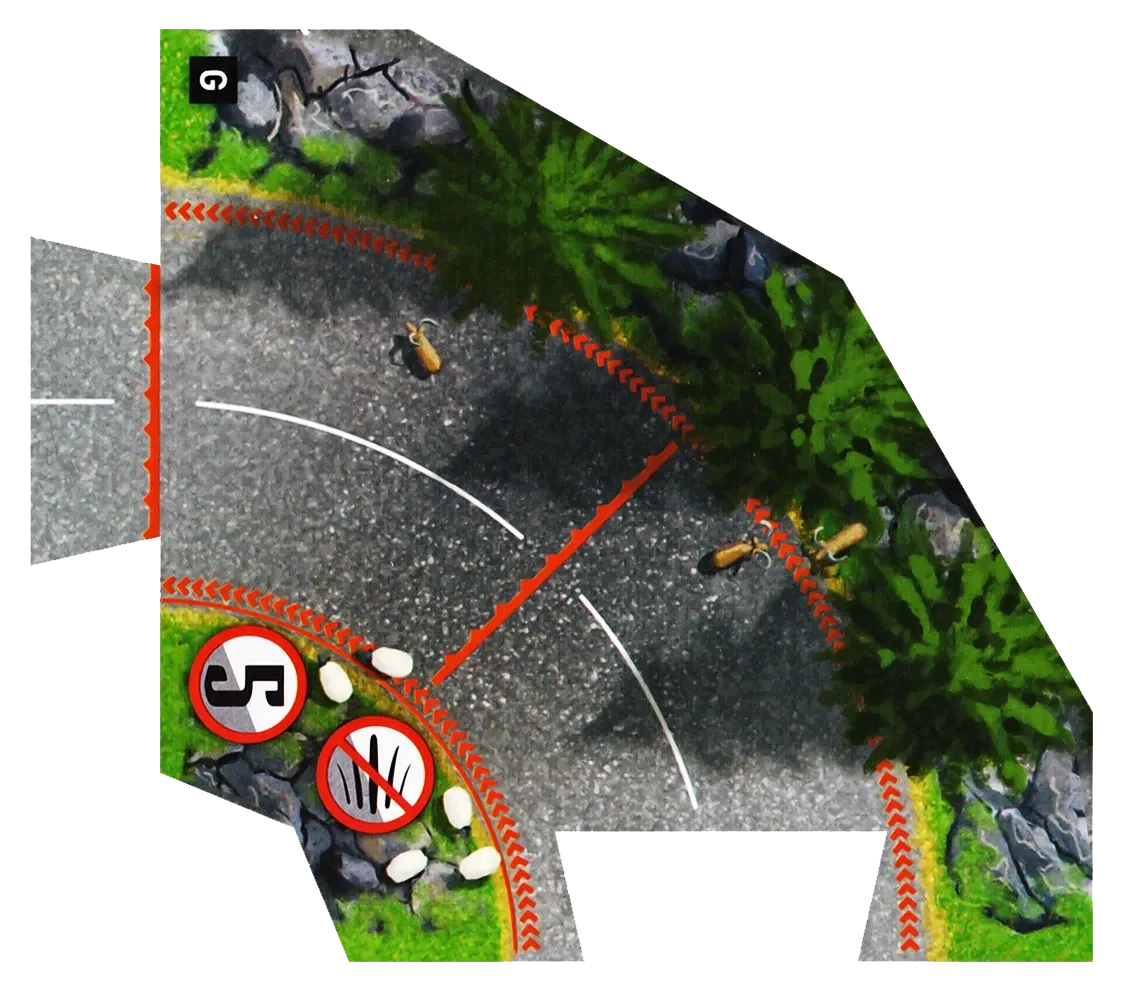 | Tile G (uppercase face) — this side provides the G route section; follow its printed lane and terrain layout when the selected stage card calls for it. Route building and terrain. |
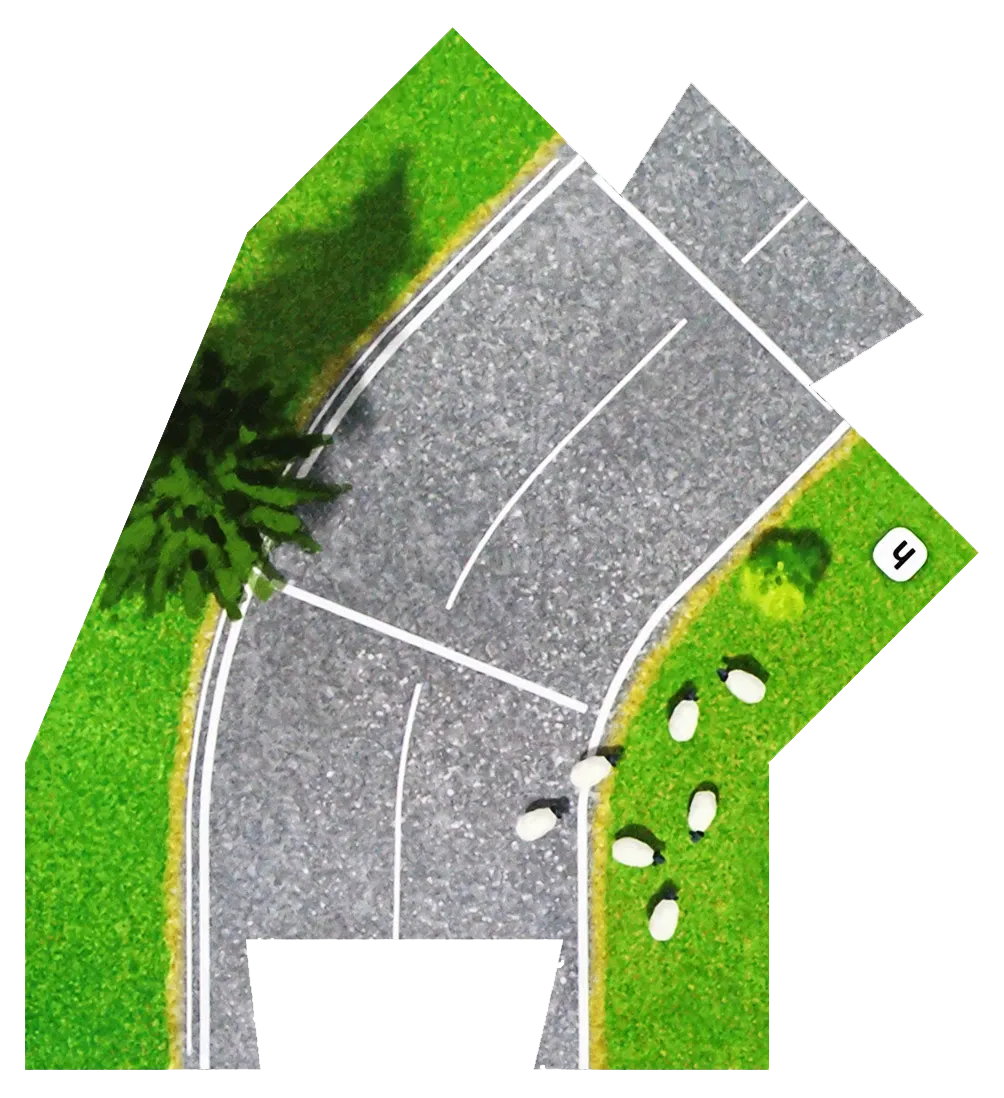 | Tile h (lowercase face) — this side provides the h route section; follow its printed lane and terrain layout when the selected stage card calls for it. Route building and terrain. |
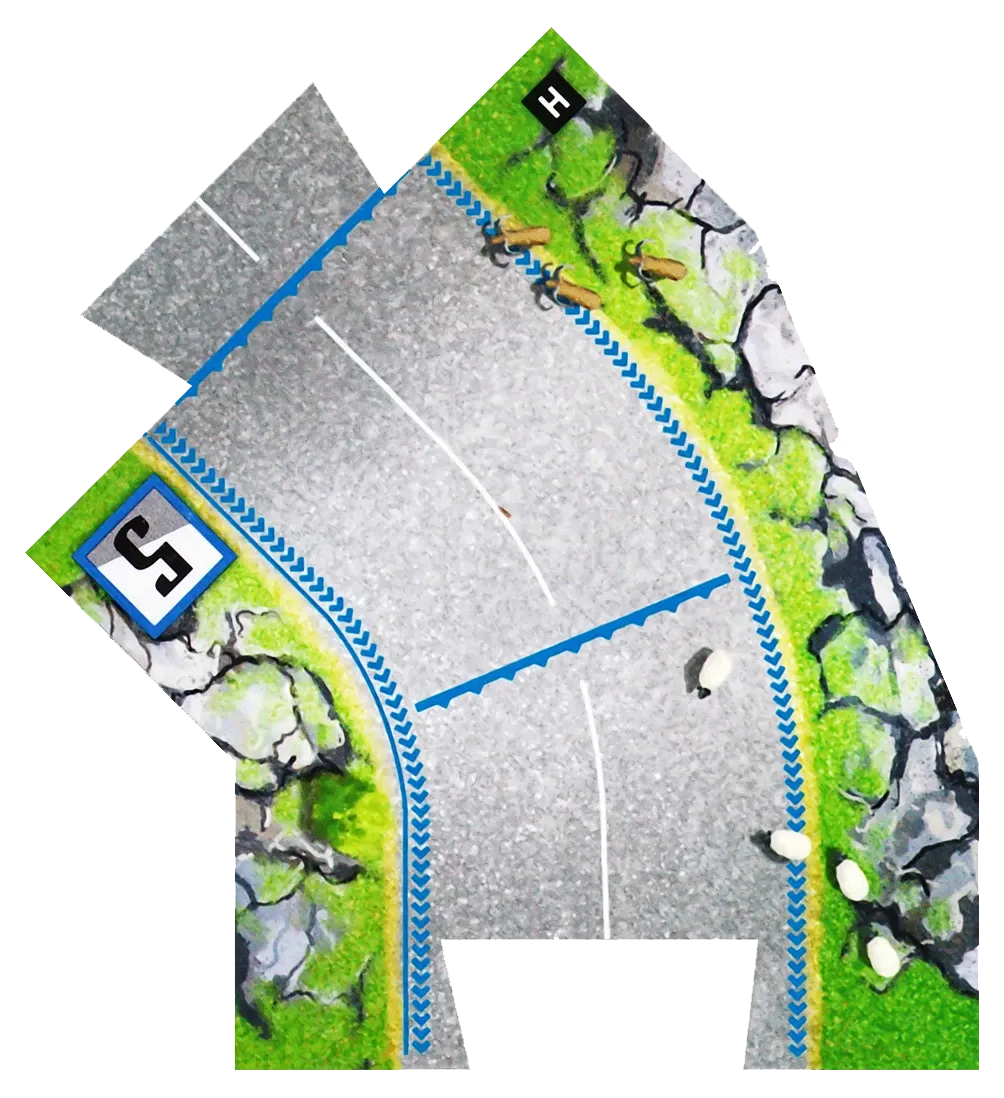 | Tile H (uppercase face) — this side provides the H route section; follow its printed lane and terrain layout when the selected stage card calls for it. Route building and terrain. |
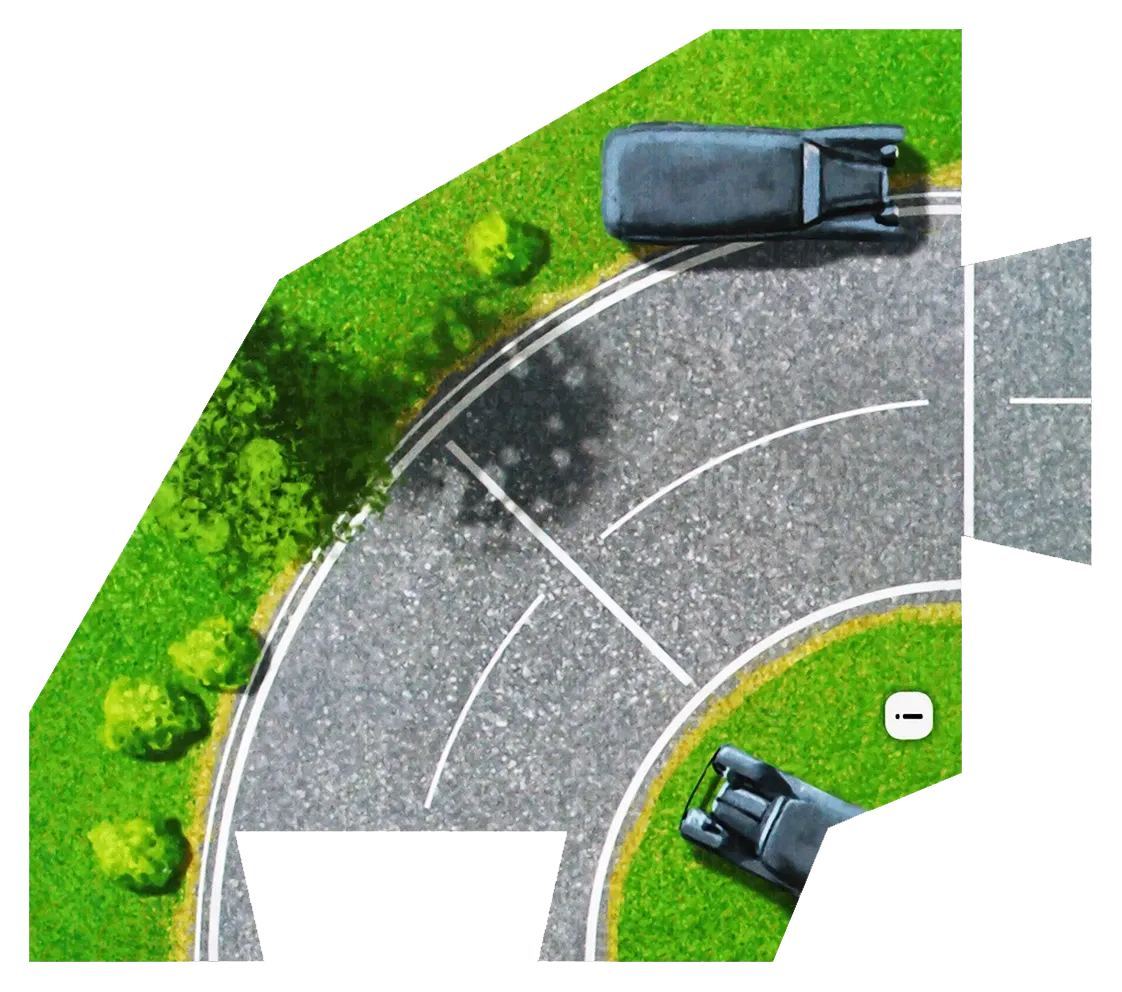 | Tile i (lowercase face) — this side provides the i route section; follow its printed lane and terrain layout when the selected stage card calls for it. Route building and terrain. |
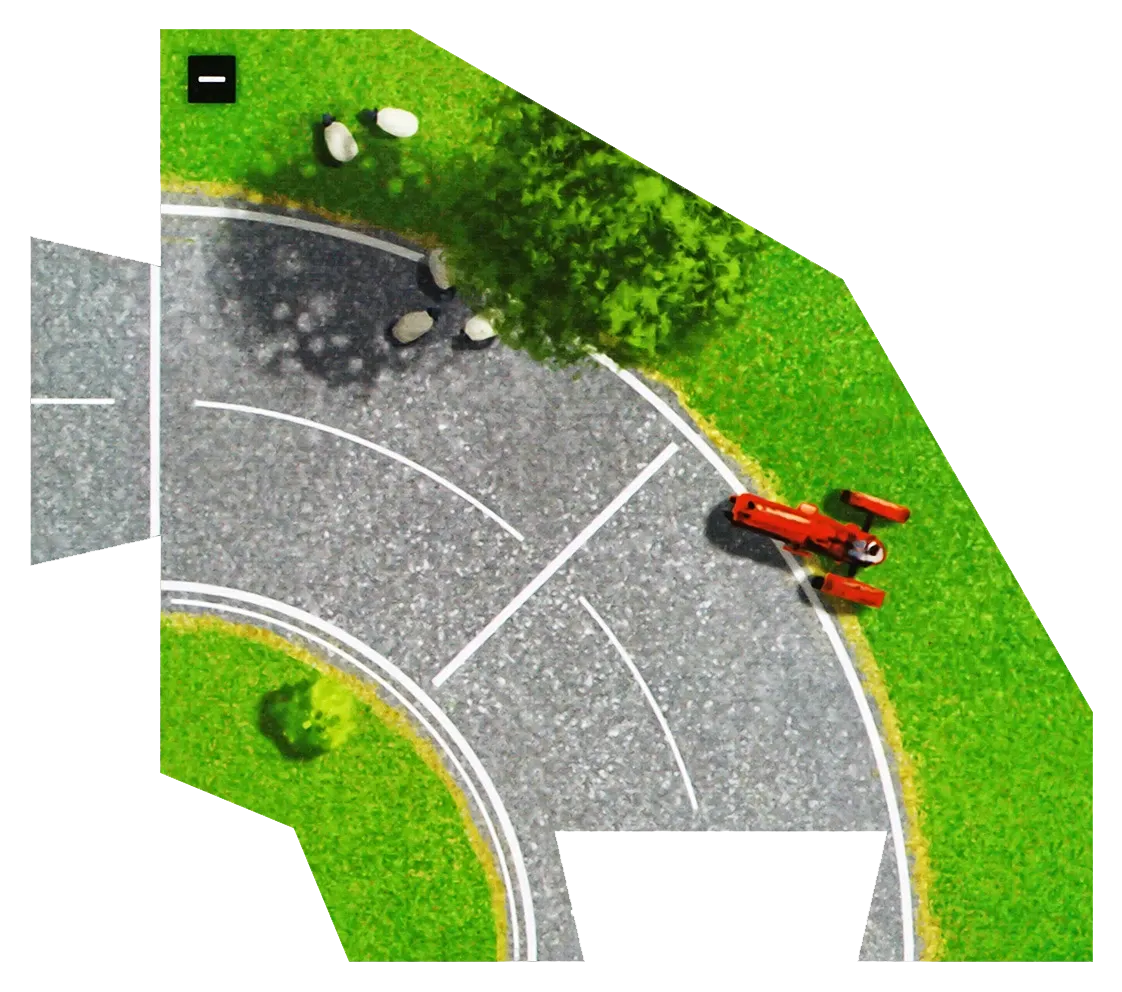 | Tile I (uppercase face) — this side provides the I route section; follow its printed lane and terrain layout when the selected stage card calls for it. Route building and terrain. |
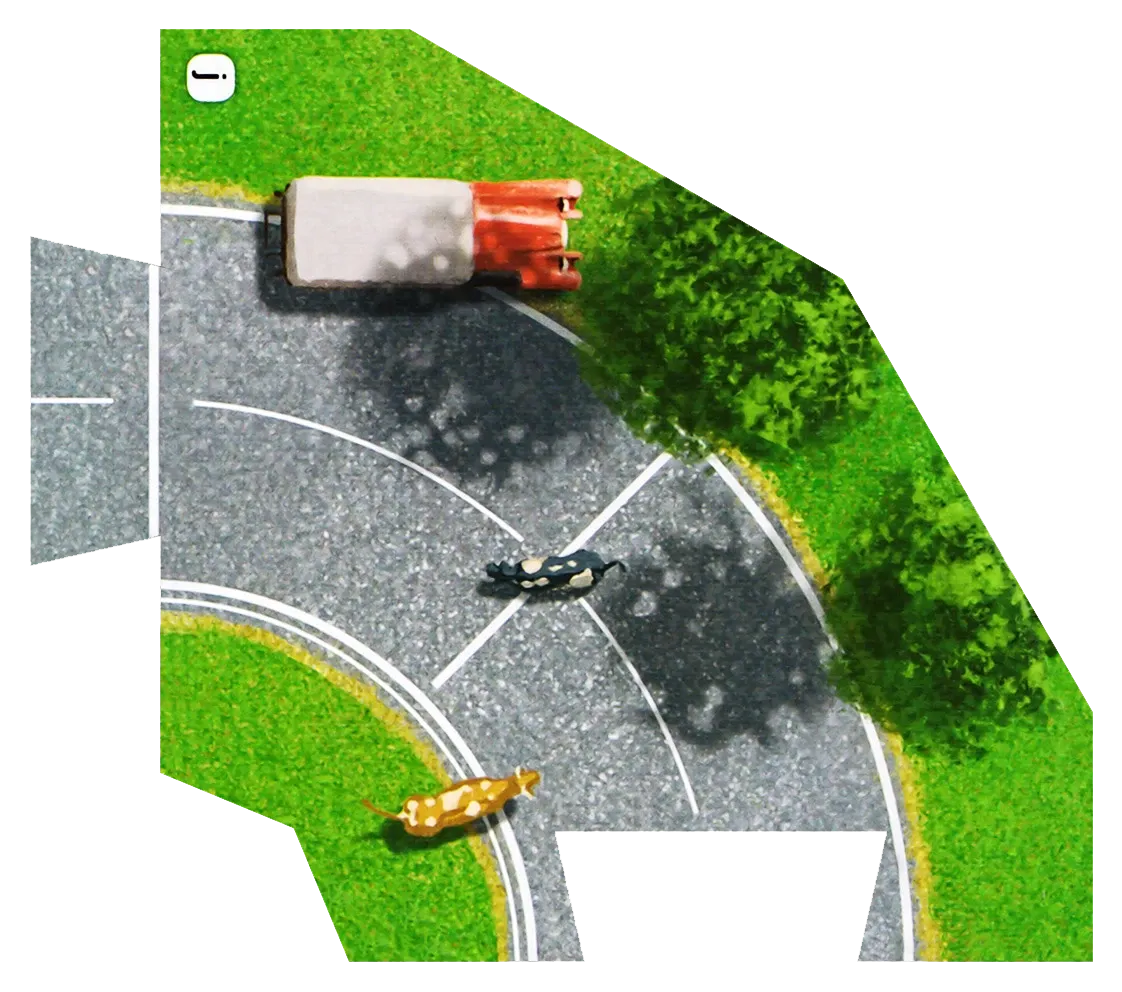 | Tile j (lowercase face) — this side provides the j route section; follow its printed lane and terrain layout when the selected stage card calls for it. Route building and terrain. |
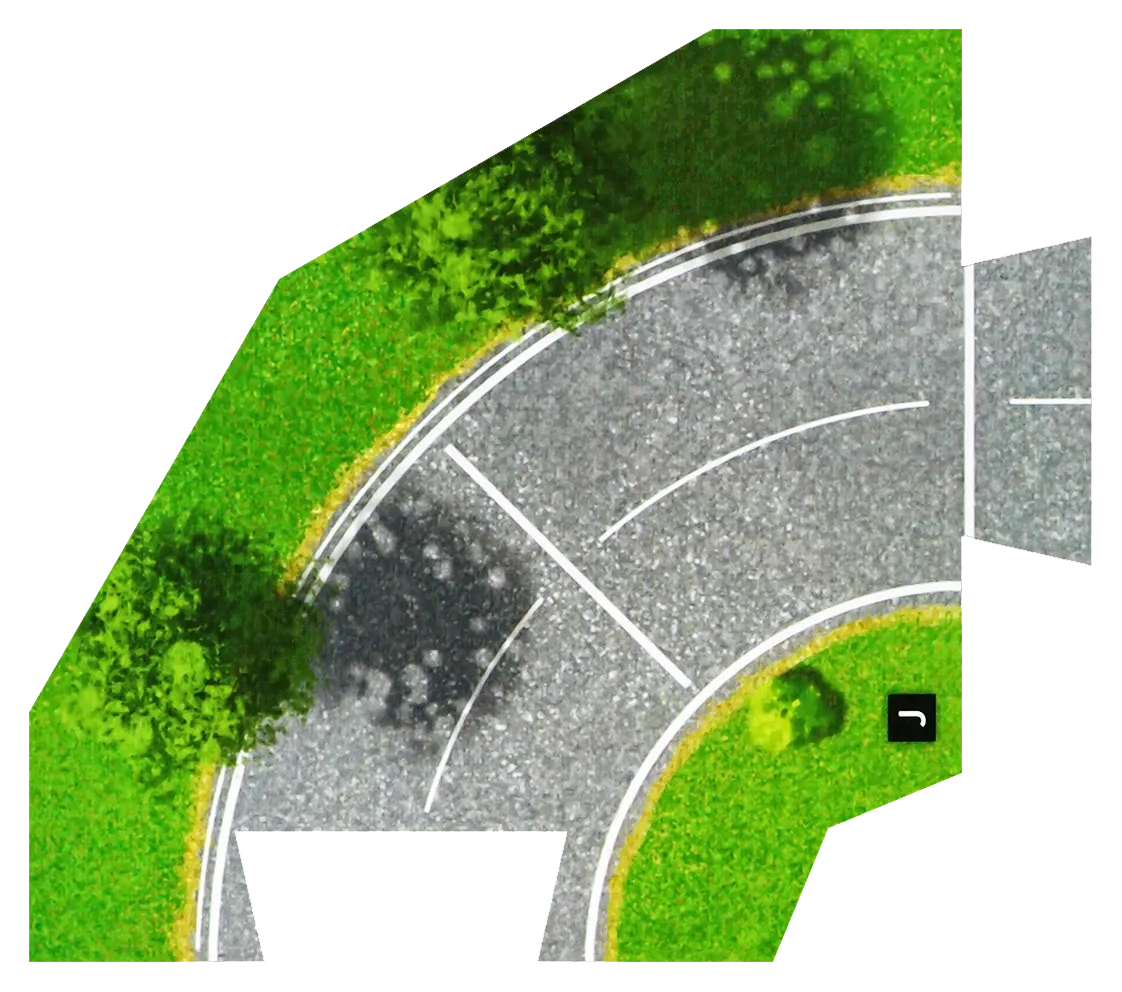 | Tile J (uppercase face) — this side provides the J route section; follow its printed lane and terrain layout when the selected stage card calls for it. Route building and terrain. |
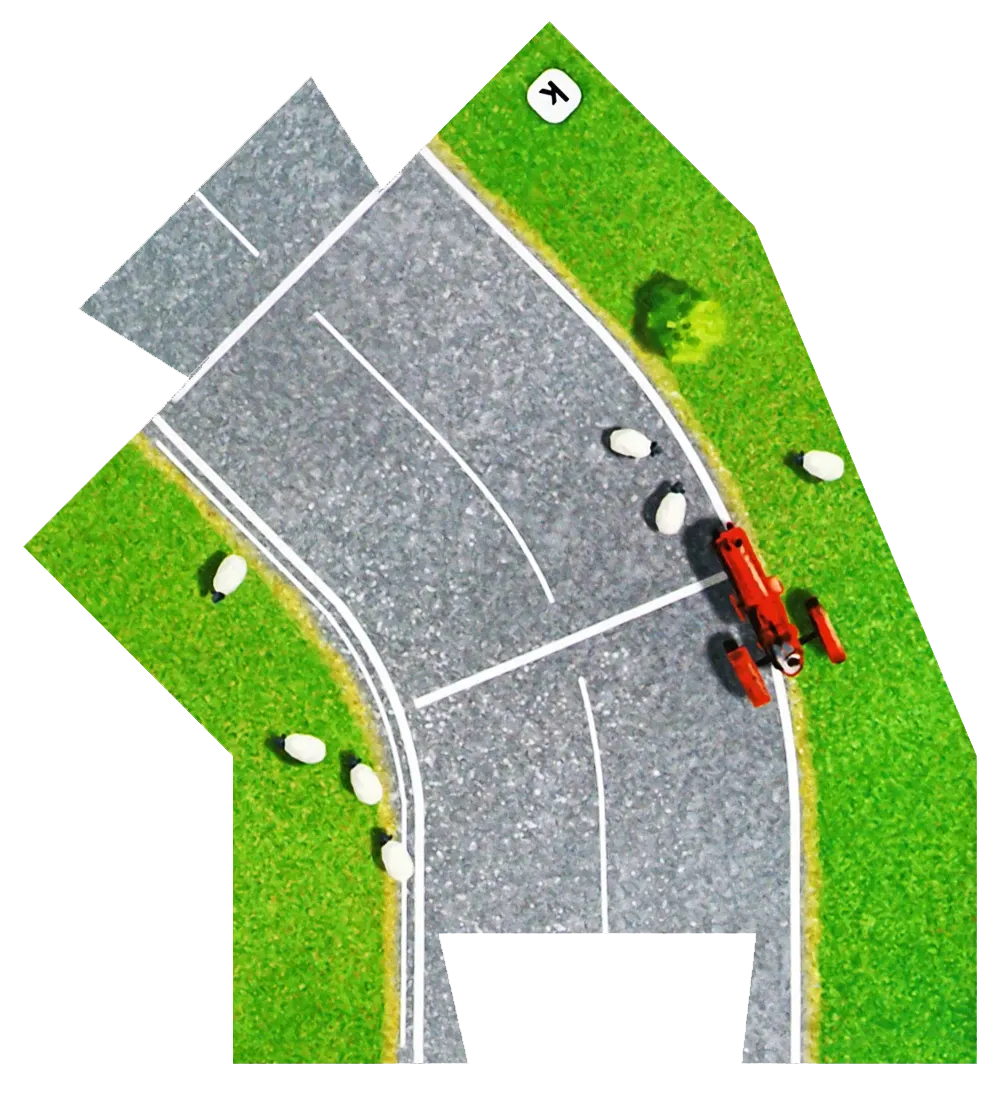 | Tile k (lowercase face) — this side provides the k route section; follow its printed lane and terrain layout when the selected stage card calls for it. Route building and terrain. |
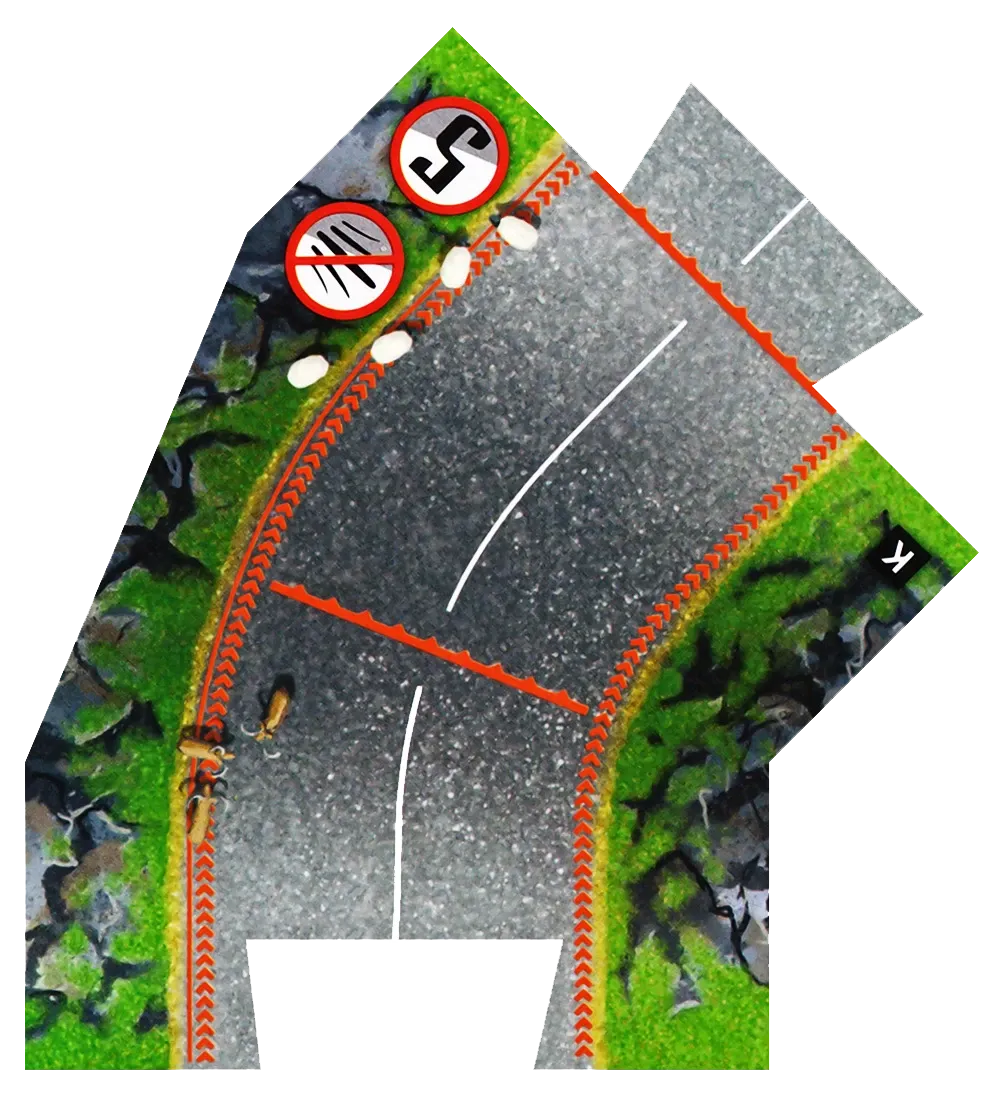 | Tile K (uppercase face) — this side provides the K route section; follow its printed lane and terrain layout when the selected stage card calls for it. Route building and terrain. |
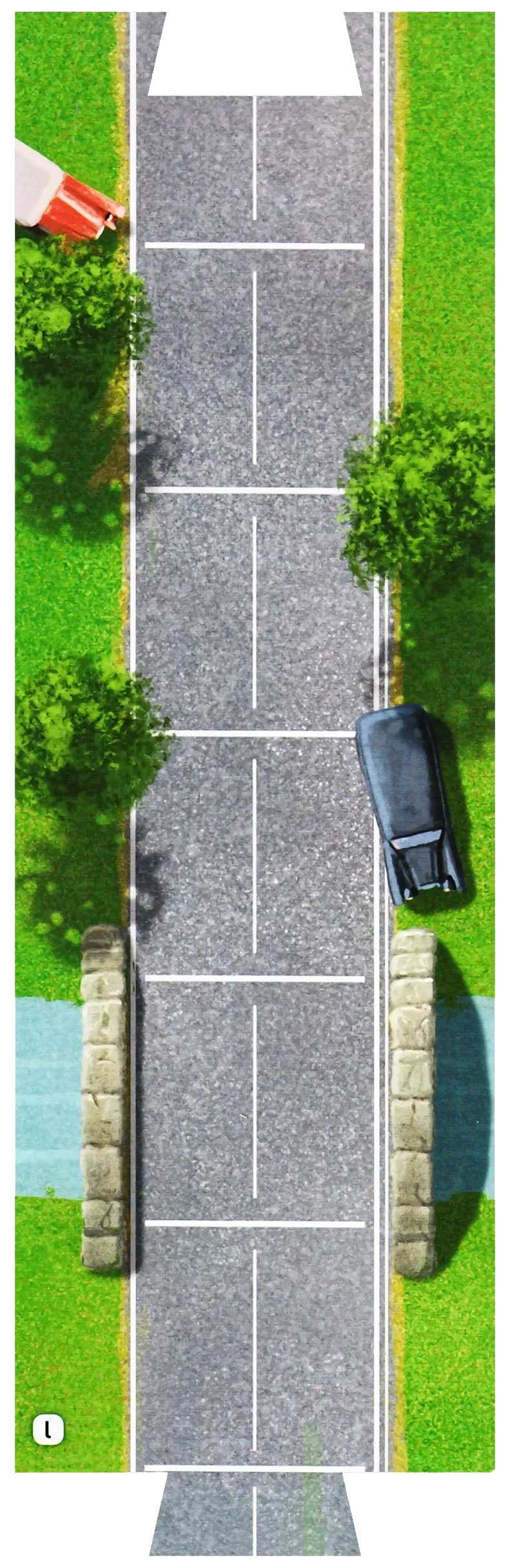 | Tile l (lowercase face) — this side provides the l route section; follow its printed lane and terrain layout when the selected stage card calls for it. Route building and terrain. |
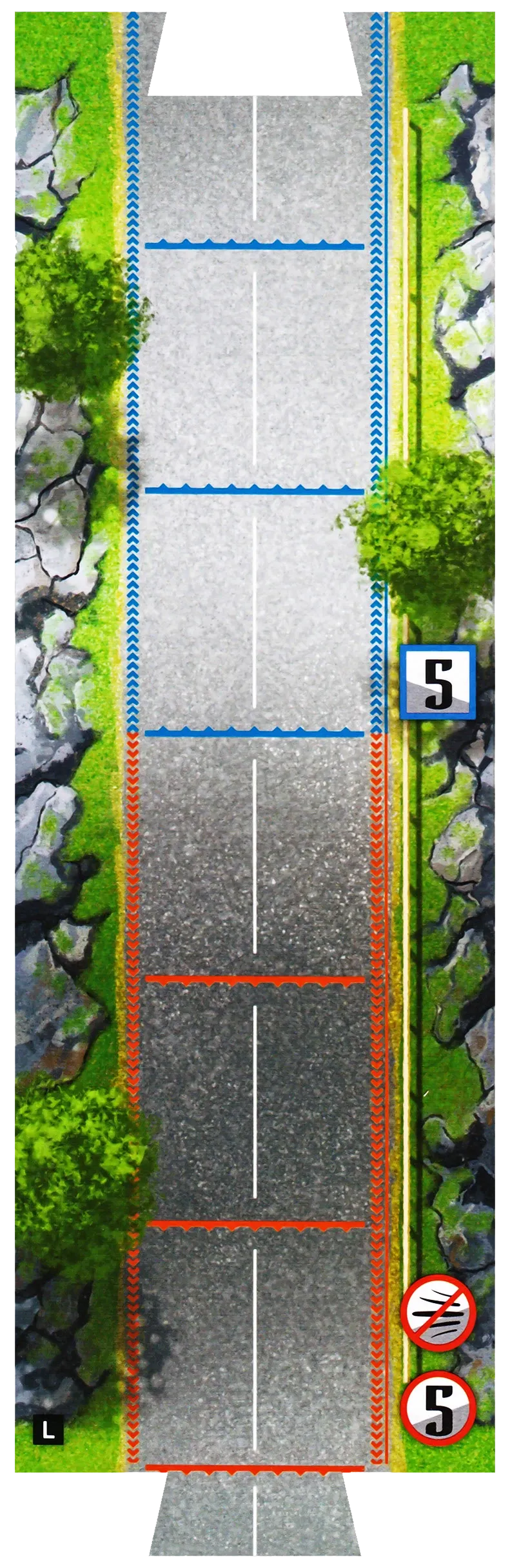 | Tile L (uppercase face) — this side provides the L route section; follow its printed lane and terrain layout when the selected stage card calls for it. Route building and terrain. |
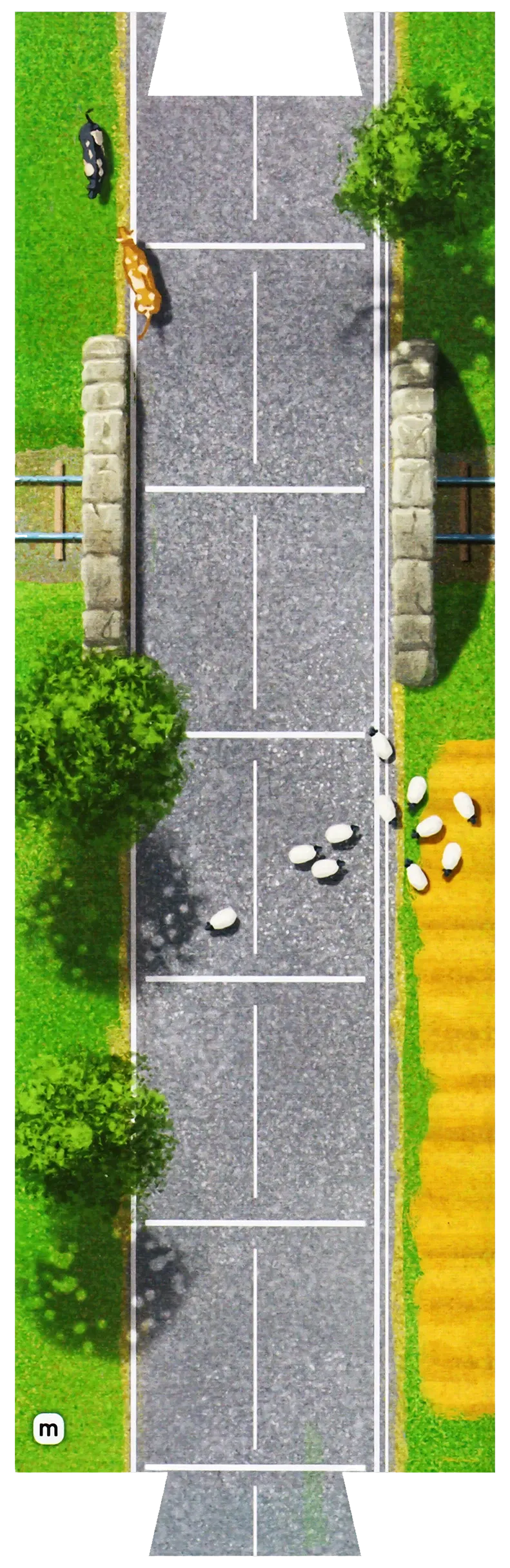 | Tile m (lowercase face) — this side provides the m route section; follow its printed lane and terrain layout when the selected stage card calls for it. Route building and terrain. |
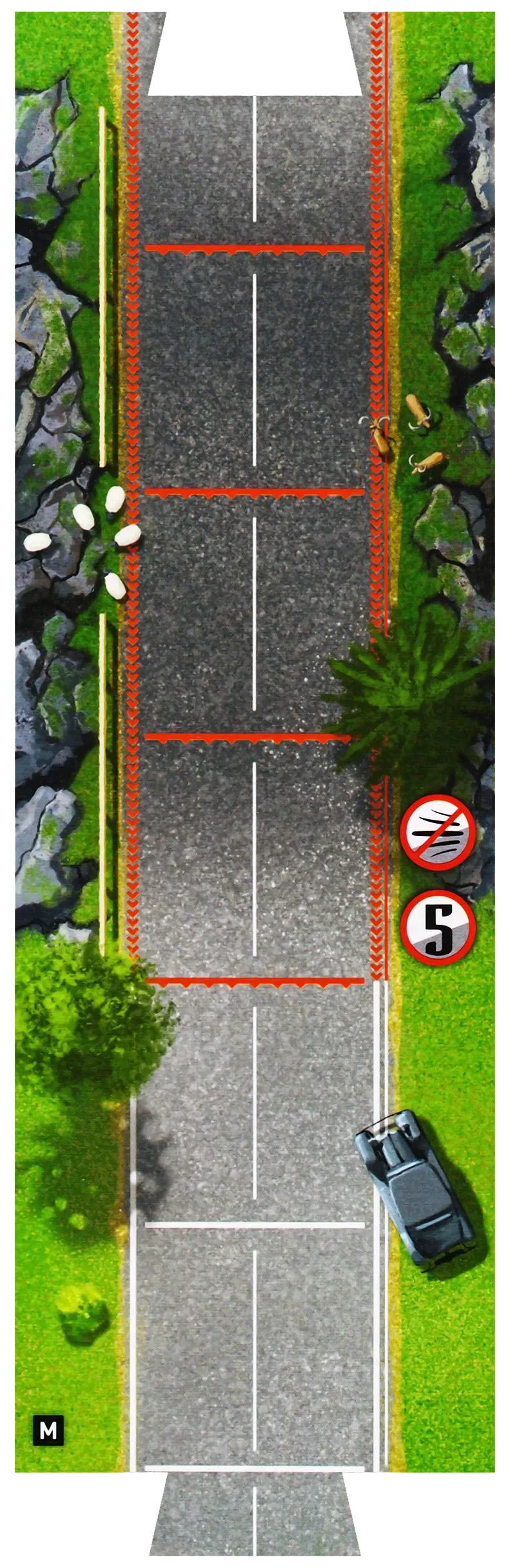 | Tile M (uppercase face) — this side provides the M route section; follow its printed lane and terrain layout when the selected stage card calls for it. Route building and terrain. |
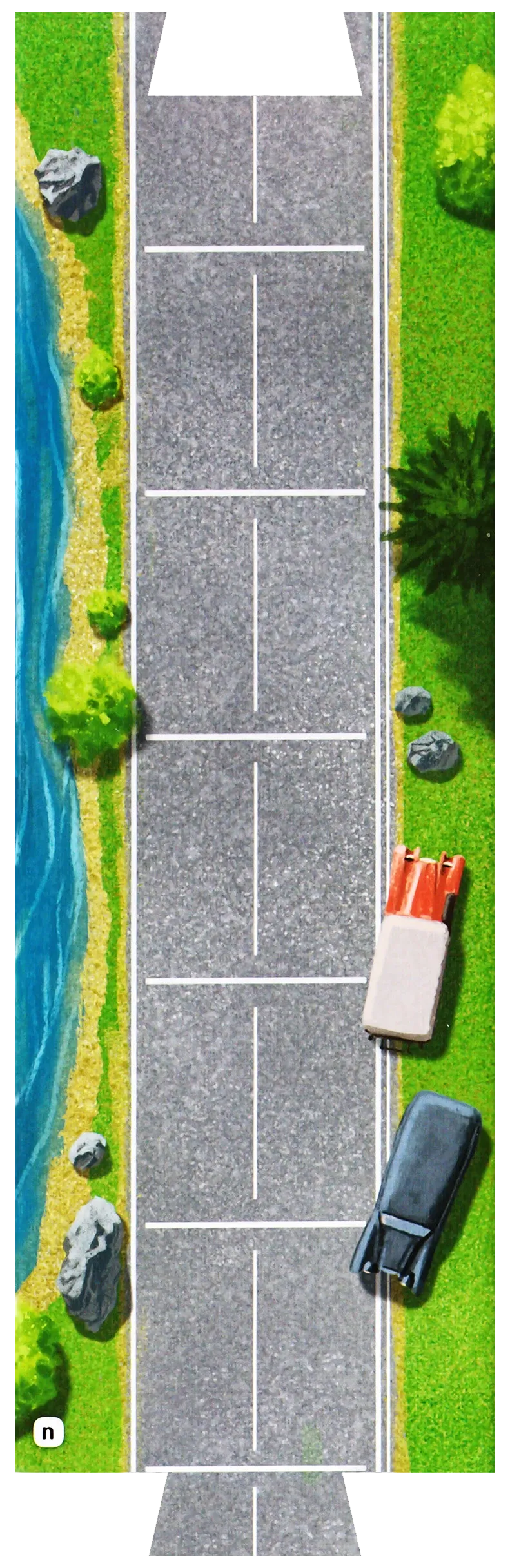 | Tile n (lowercase face) — this side provides the n route section; follow its printed lane and terrain layout when the selected stage card calls for it. Route building and terrain. |
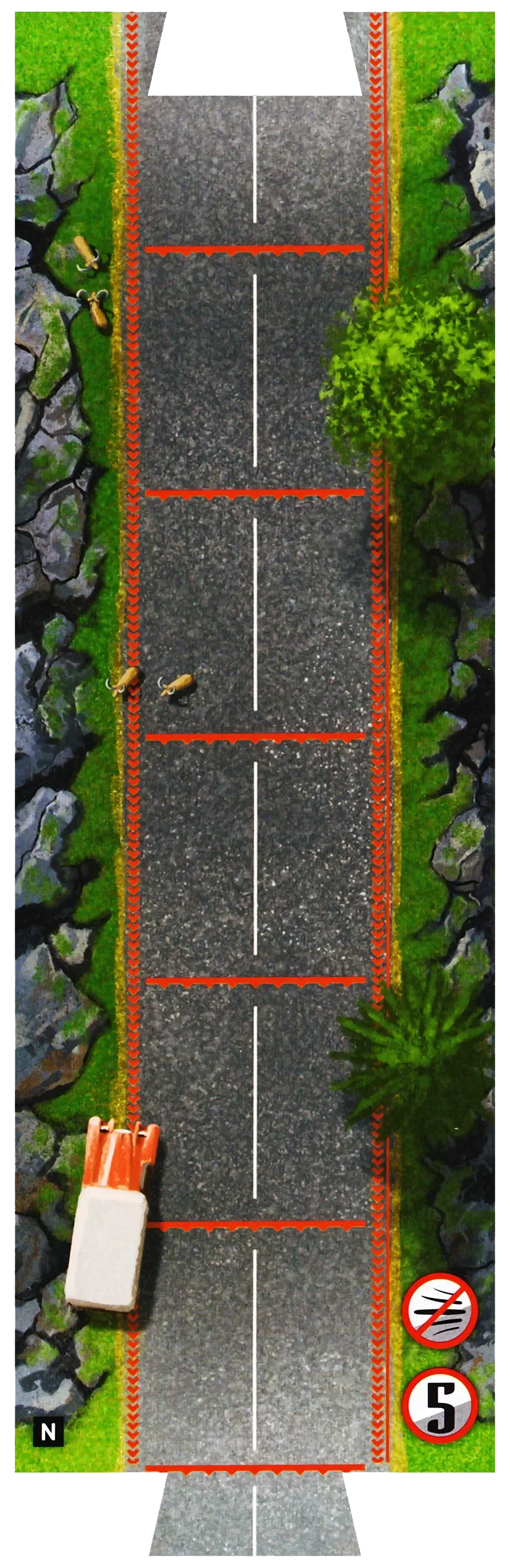 | Tile N (uppercase face) — this side provides the N route section; follow its printed lane and terrain layout when the selected stage card calls for it. Route building and terrain. |
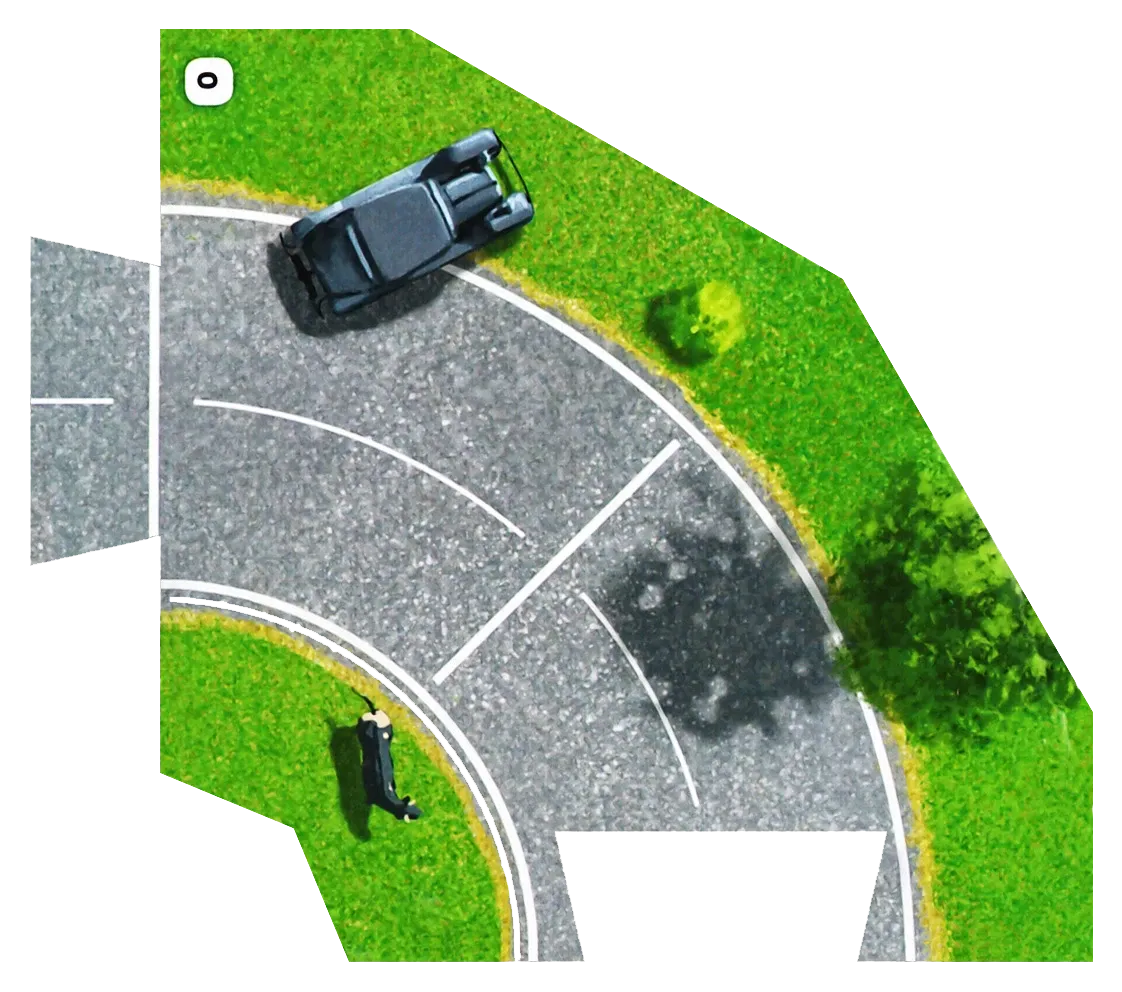 | Tile o (lowercase face) — this side provides the o route section; follow its printed lane and terrain layout when the selected stage card calls for it. Route building and terrain. |
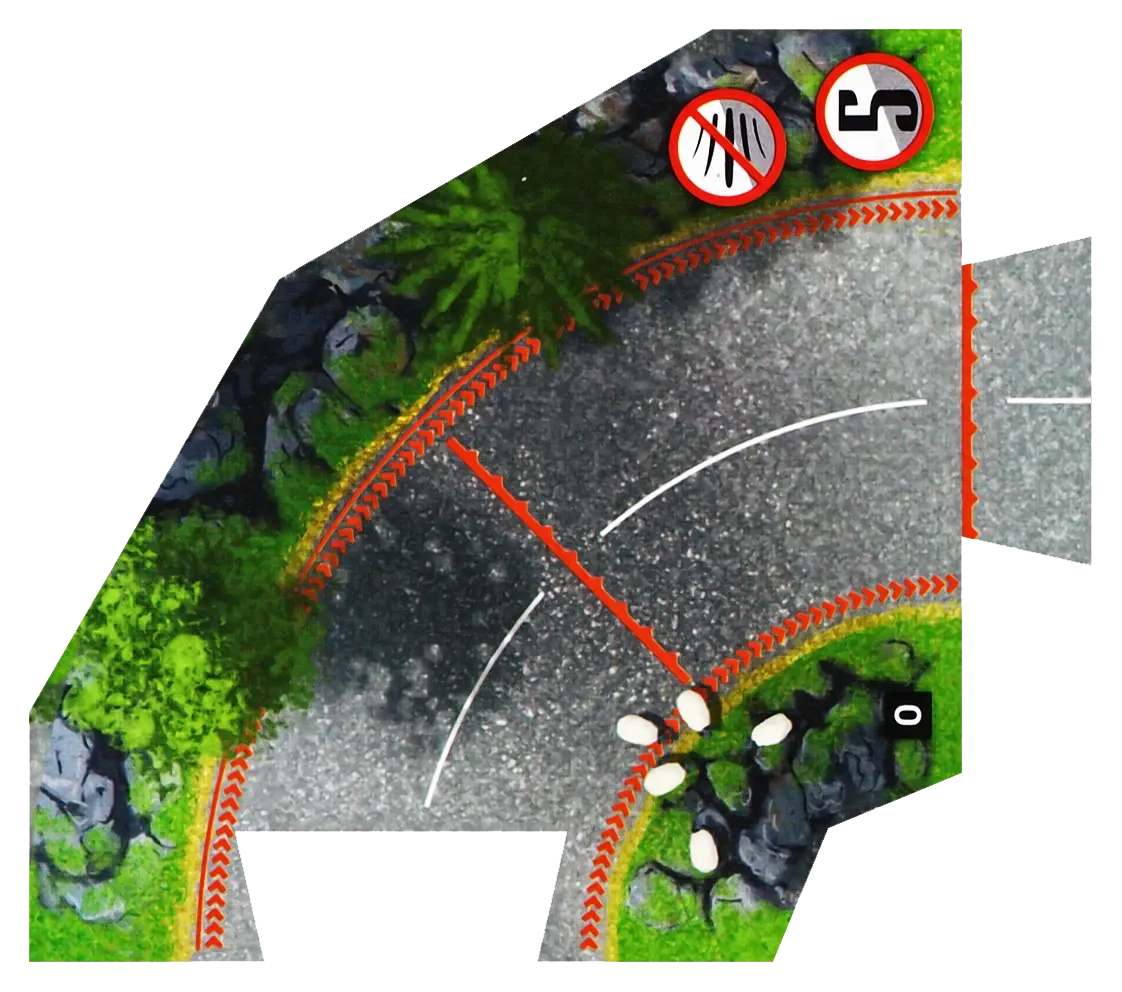 | Tile O (uppercase face) — this side provides the O route section; follow its printed lane and terrain layout when the selected stage card calls for it. Route building and terrain. |
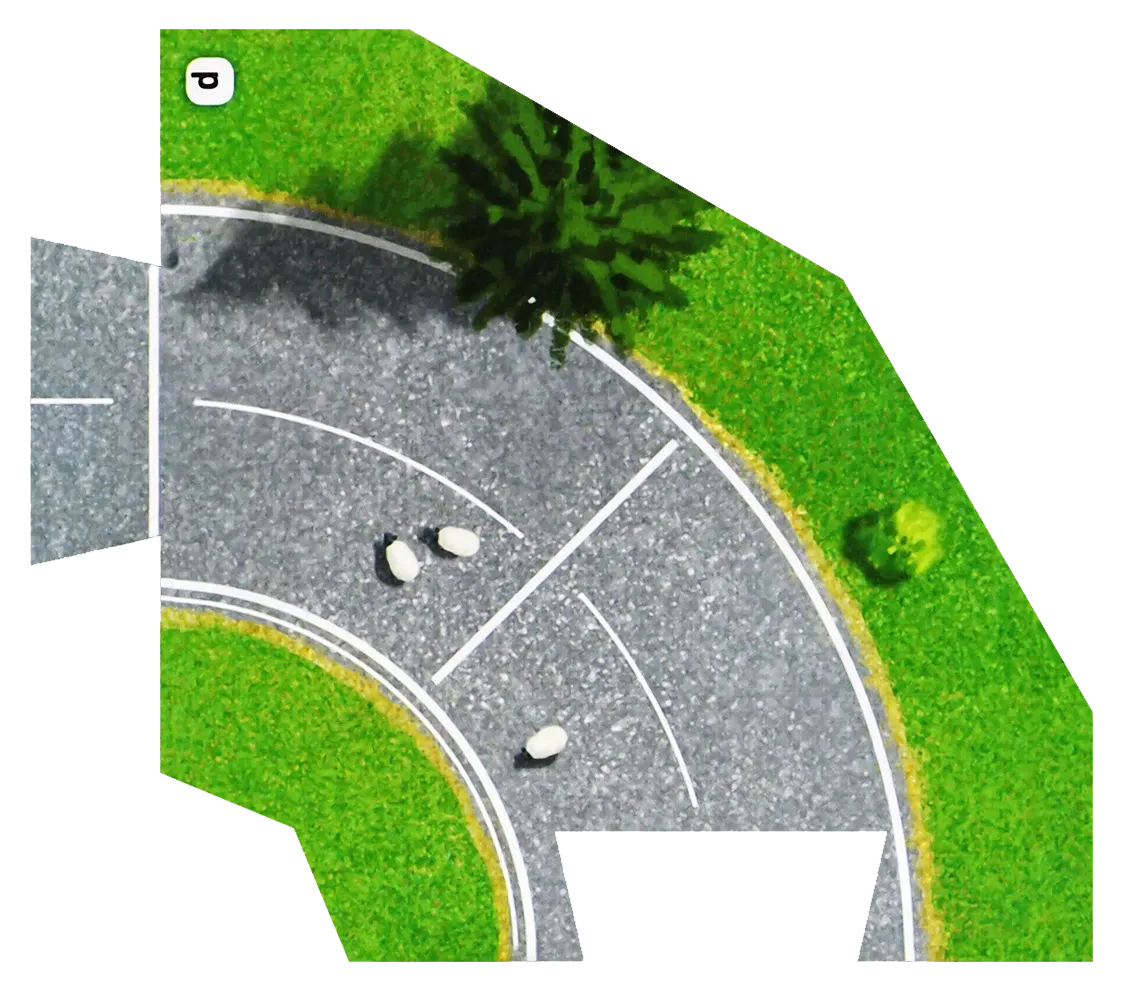 | Tile p (lowercase face) — this side provides the p route section; follow its printed lane and terrain layout when the selected stage card calls for it. Route building and terrain. |
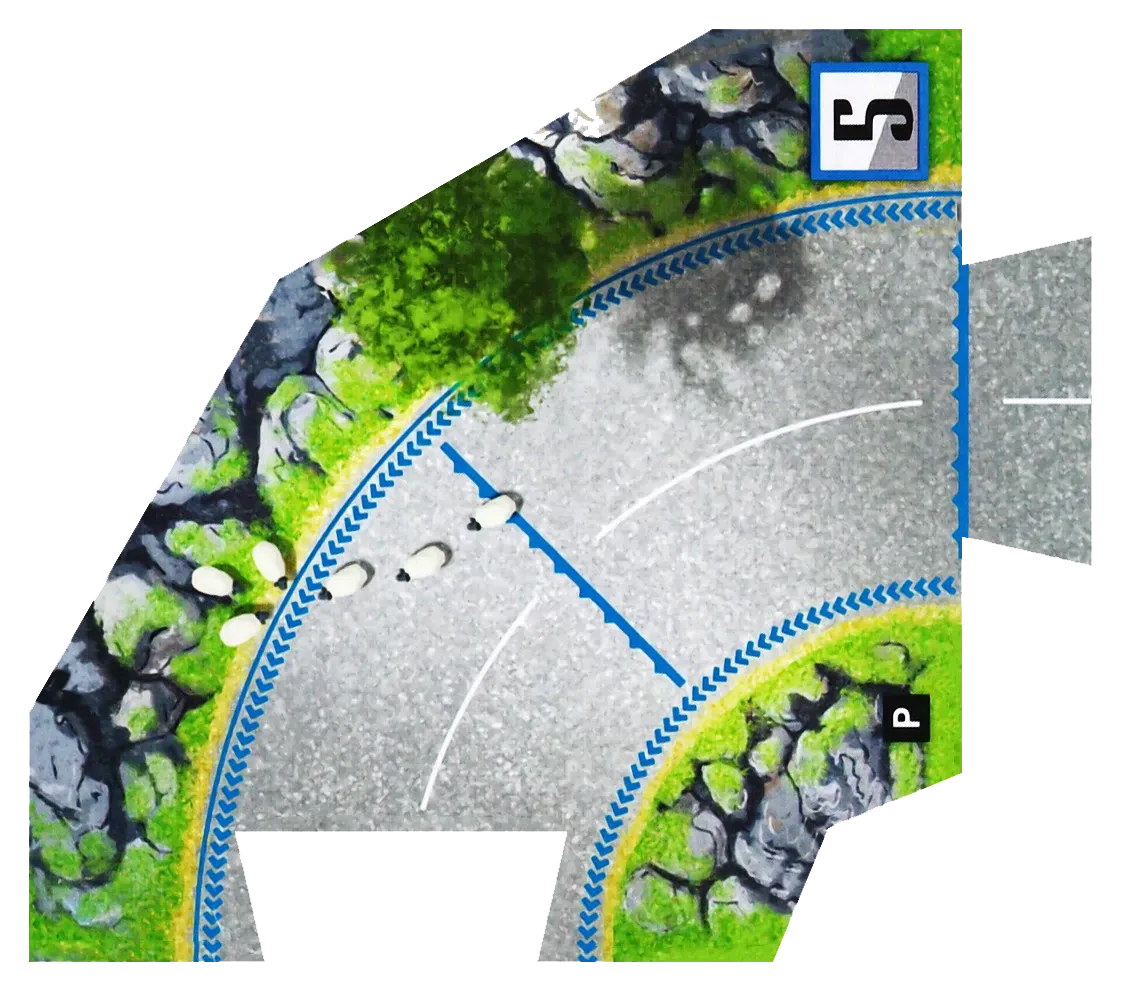 | Tile P (uppercase face) — this side provides the P route section; follow its printed lane and terrain layout when the selected stage card calls for it. Route building and terrain. |
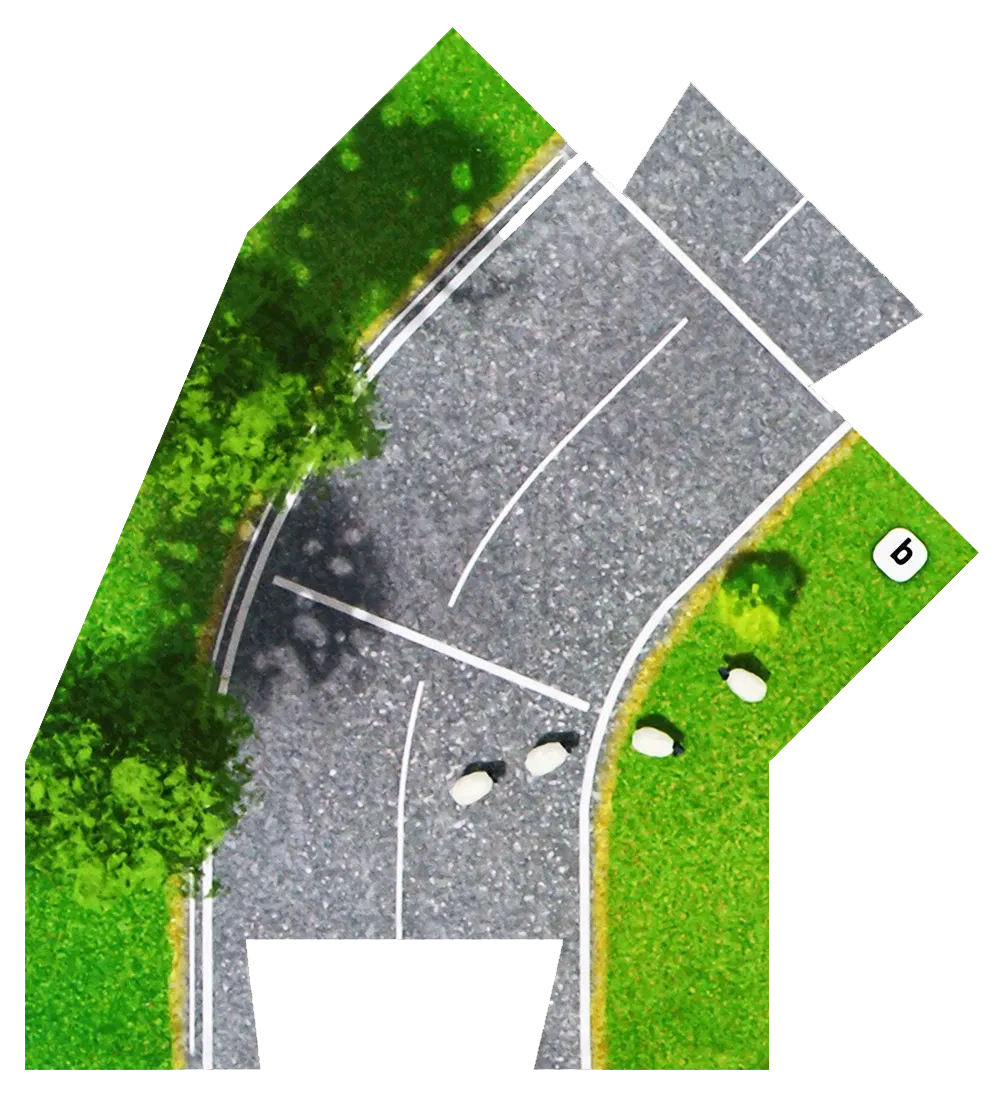 | Tile q (lowercase face) — this side provides the q route section; follow its printed lane and terrain layout when the selected stage card calls for it. Route building and terrain. |
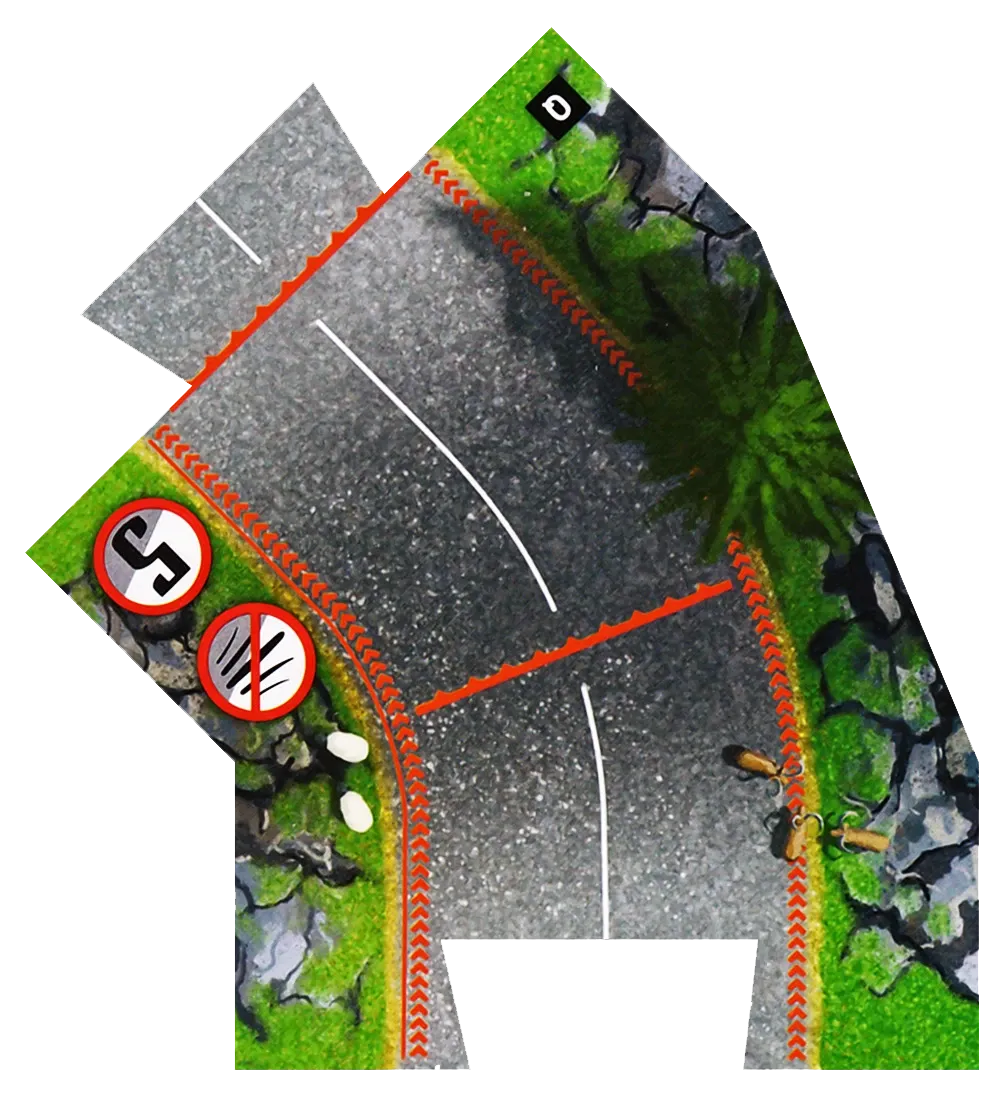 | Tile Q (uppercase face) — this side provides the Q route section; follow its printed lane and terrain layout when the selected stage card calls for it. Route building and terrain. |
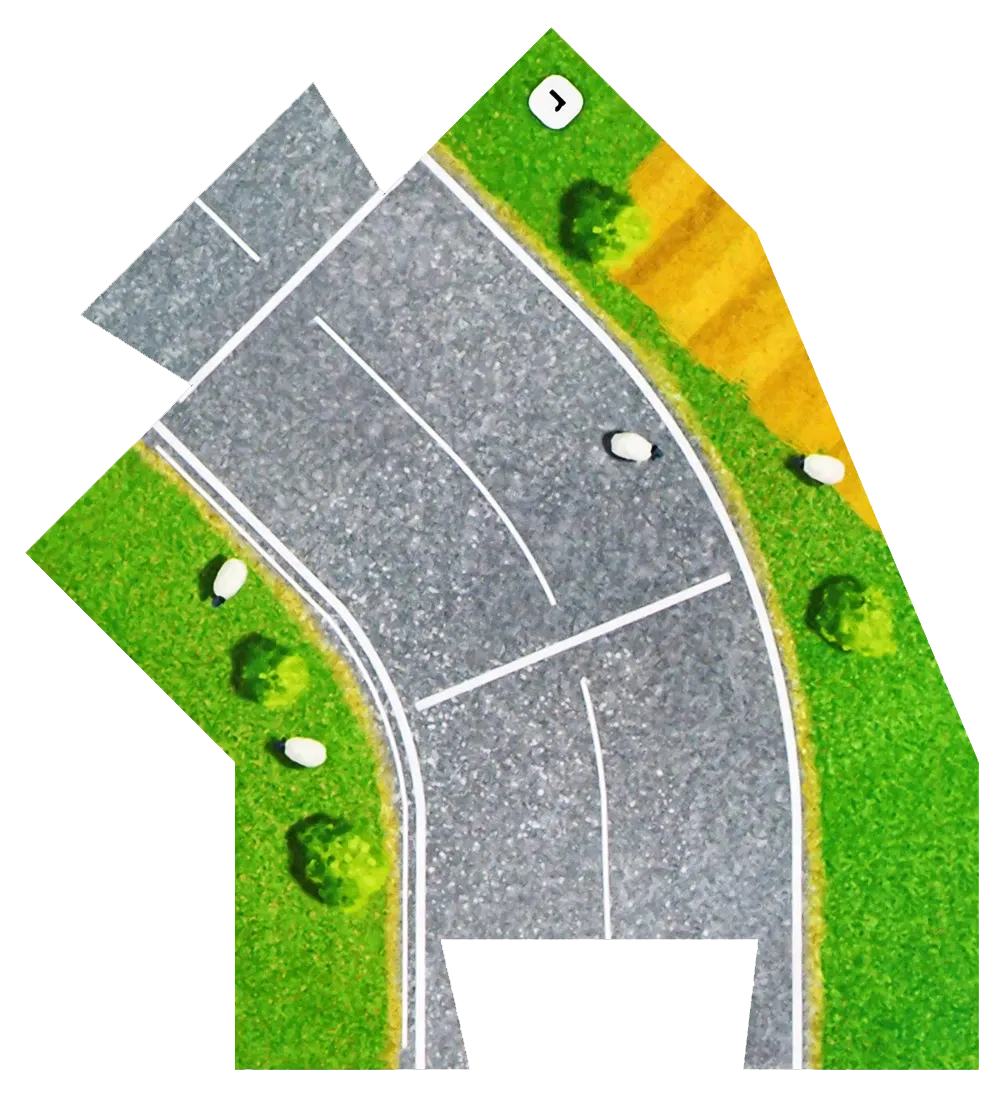 | Tile r (lowercase face) — this side provides the r route section; follow its printed lane and terrain layout when the selected stage card calls for it. Route building and terrain. |
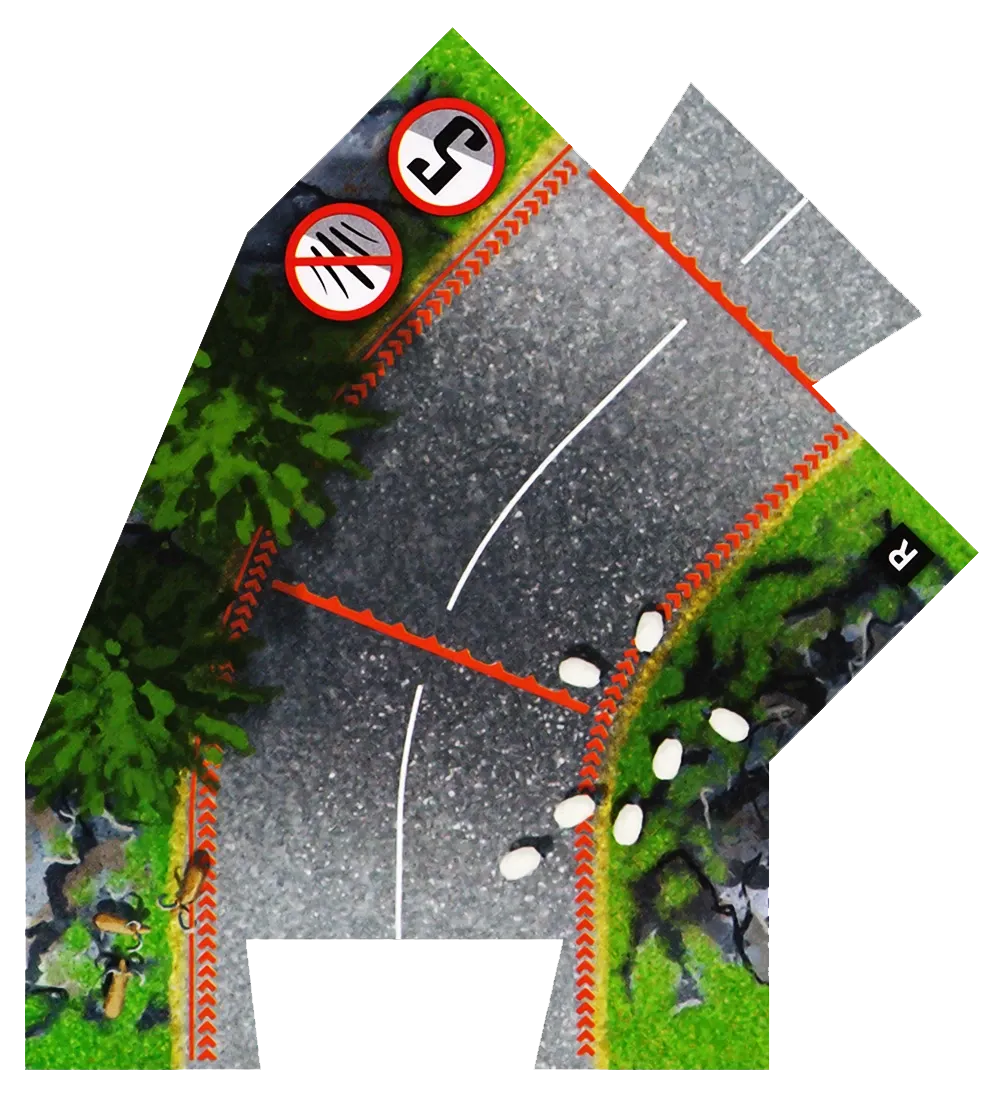 | Tile R (uppercase face) — this side provides the R route section; follow its printed lane and terrain layout when the selected stage card calls for it. Route building and terrain. |
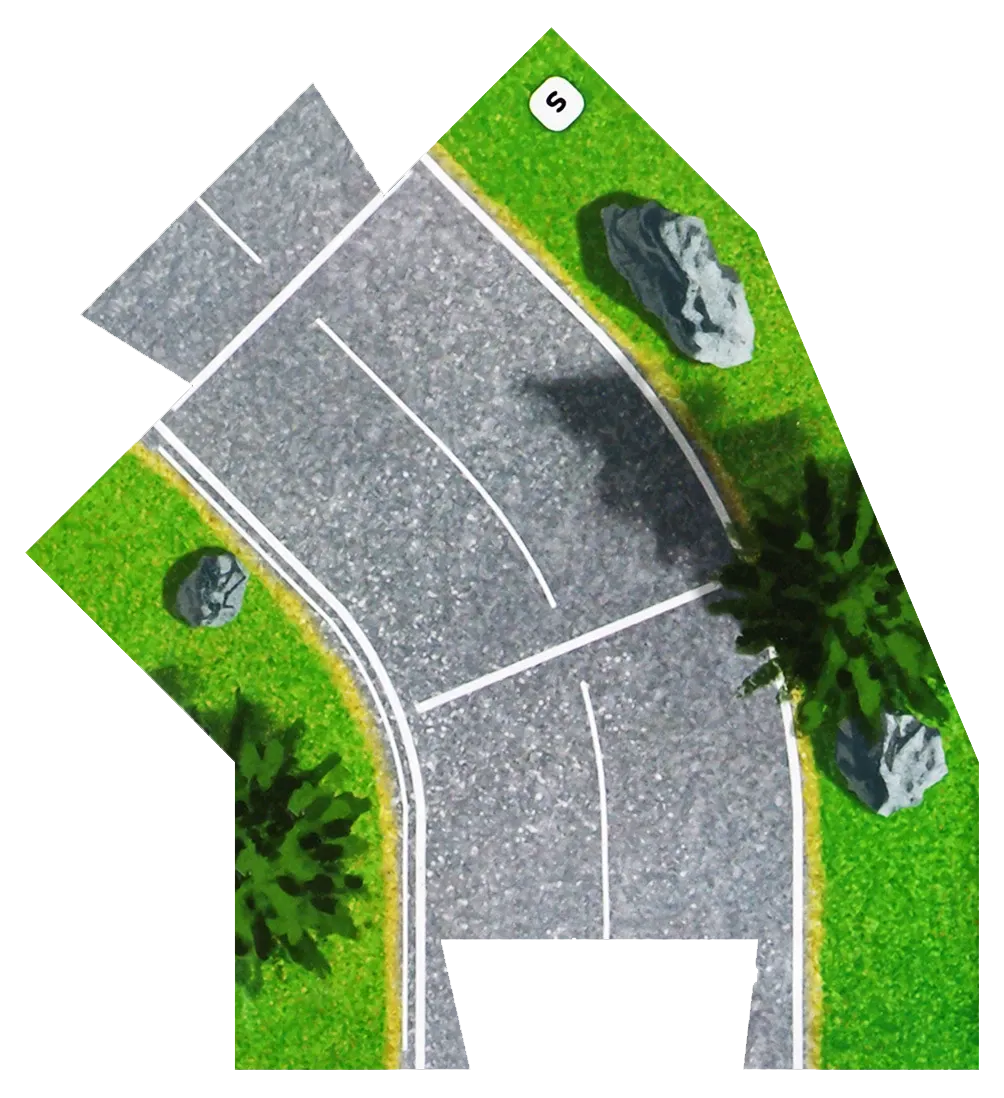 | Tile s (lowercase face) — this side provides the s route section; follow its printed lane and terrain layout when the selected stage card calls for it. Route building and terrain. |
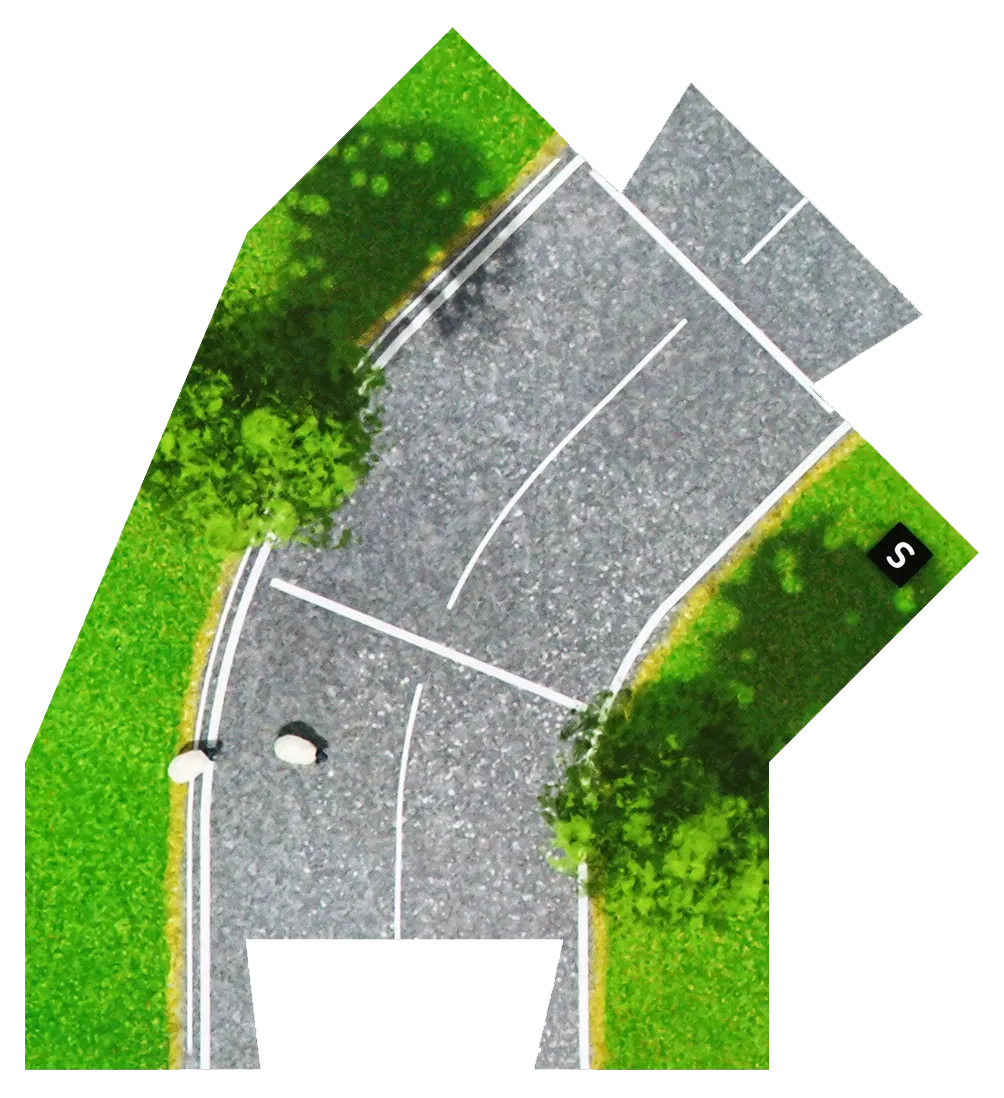 | Tile S (uppercase face) — this side provides the S route section; follow its printed lane and terrain layout when the selected stage card calls for it. Route building and terrain. |
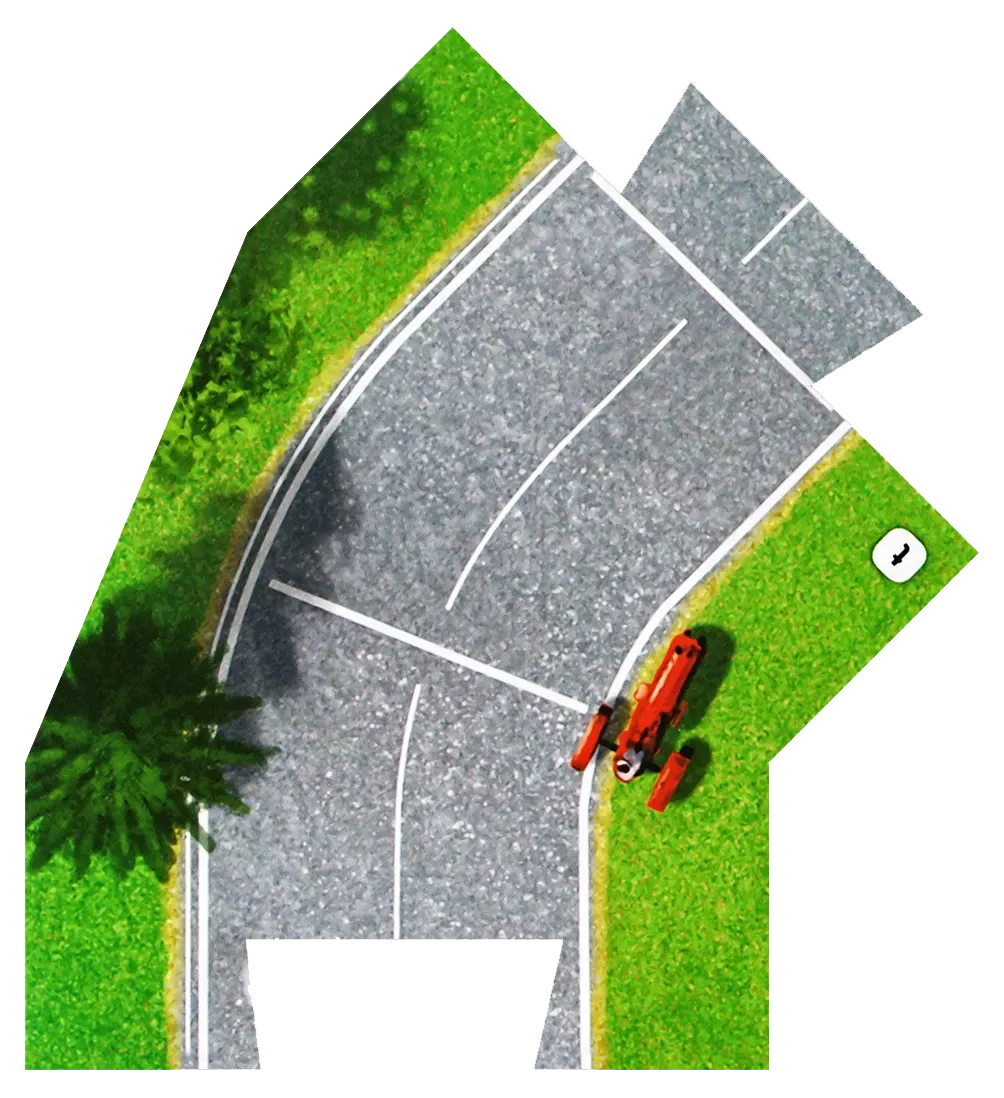 | Tile t (lowercase face) — this side provides the t route section; follow its printed lane and terrain layout when the selected stage card calls for it. Route building and terrain. |
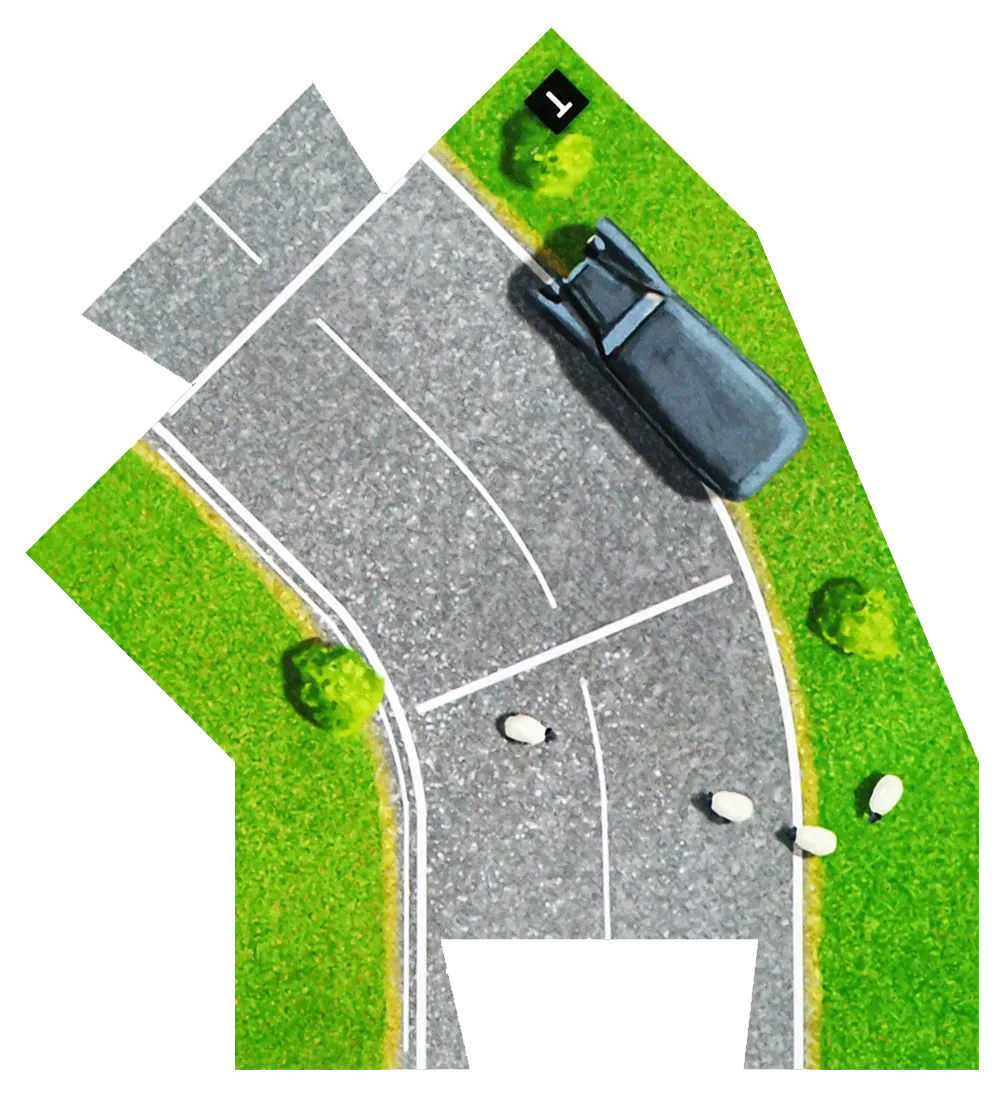 | Tile T (uppercase face) — this side provides the T route section; follow its printed lane and terrain layout when the selected stage card calls for it. Route building and terrain. |
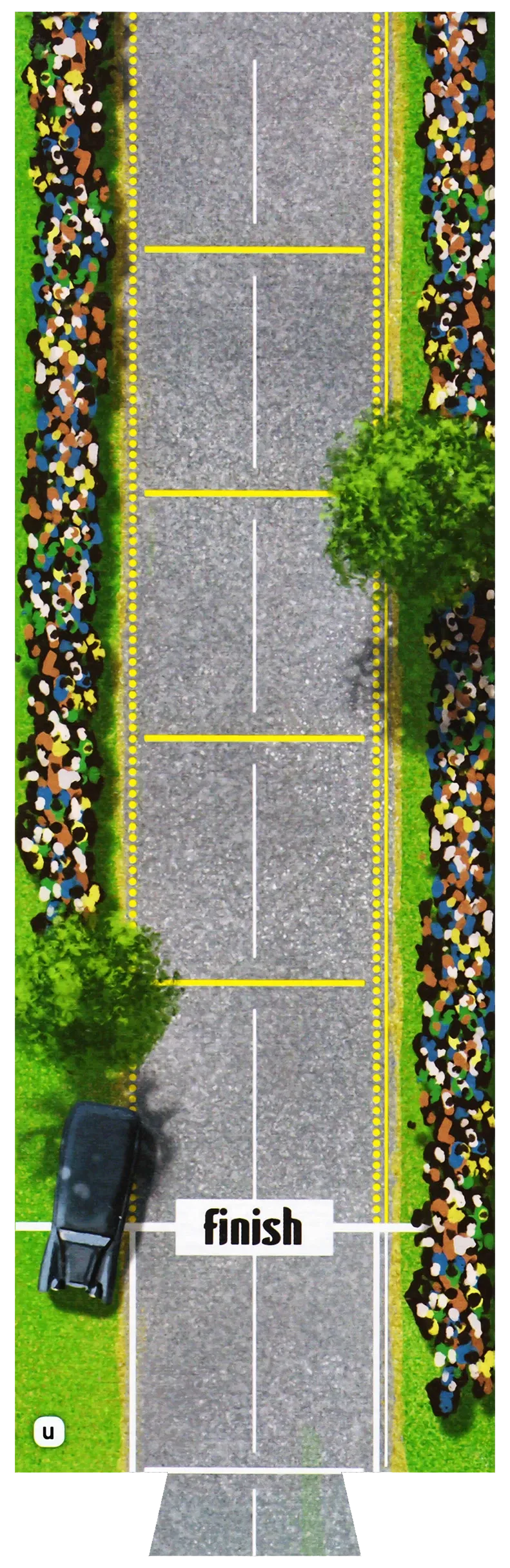 | Tile u (lowercase face) — this side provides the u route section; follow its printed lane and terrain layout when the selected stage card calls for it. Route building and terrain. |
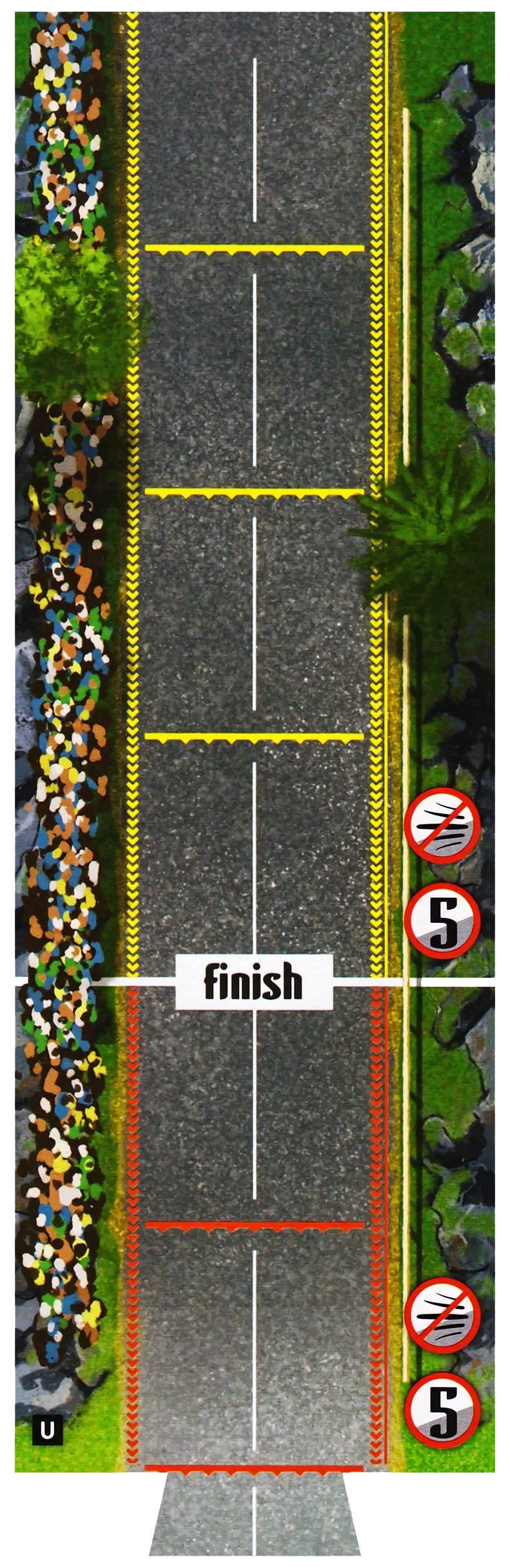 | Tile U (uppercase face) — this side provides the U route section; follow its printed lane and terrain layout when the selected stage card calls for it. Route building and terrain. |
Peloton faces
| Face | Use |
|---|---|
| To be added — Pink Rouleur and Sprinteur | Extra team’s rider decks and figures for 5–6 players. |
| To be added — White Rouleur and Sprinteur | Extra team’s rider decks and figures for 5–6 players. |
| To be added — Breakaway tokens | Mark the separate lead group under the breakaway rules. |
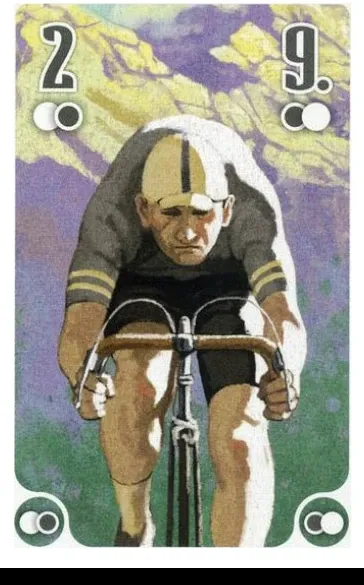 | Attack! — Peloton solo AI uses this face to move its front rider 2 and rear rider 9 spaces. Peloton solo. |
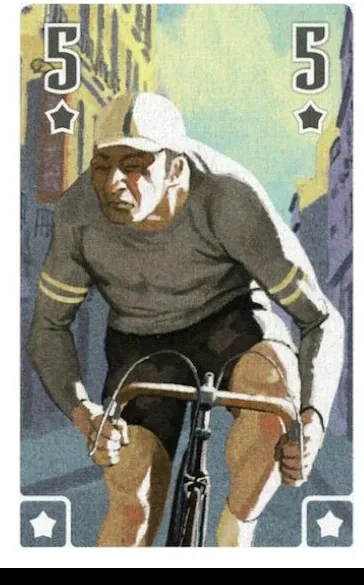 | Muscle — add this face to the Muscle team’s Sprinteur deck; use its printed value and star icon when revealed. Peloton solo. |
Peloton route-tile faces
| Face | Use |
|---|---|
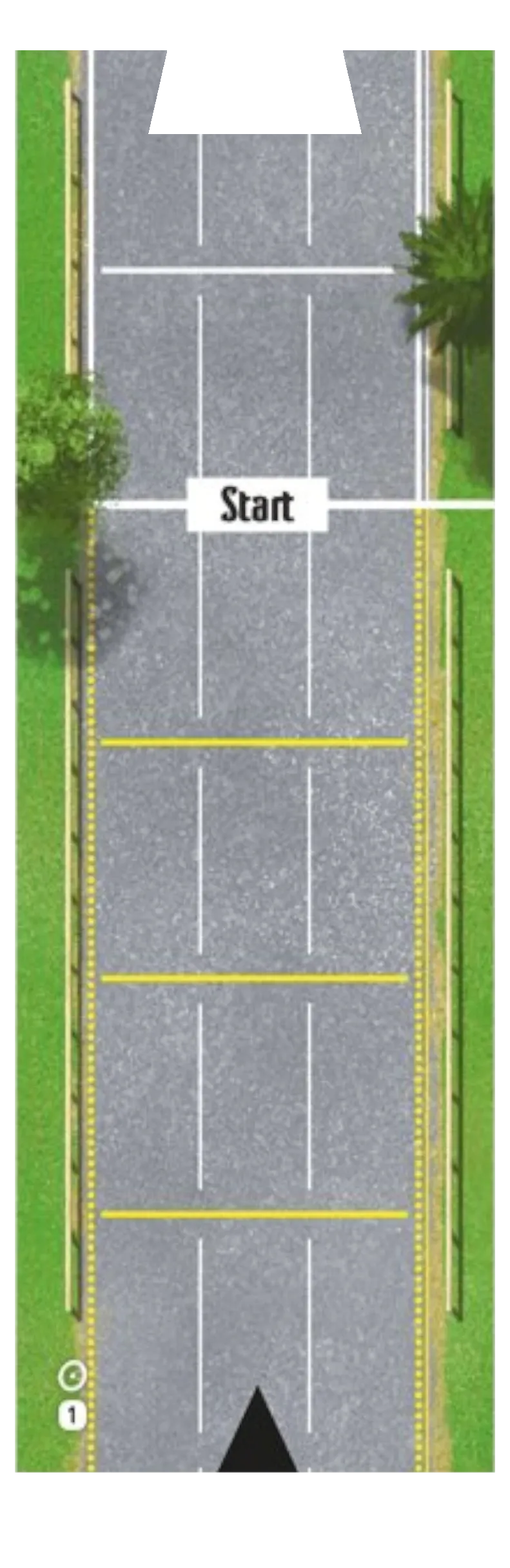 | Peloton tile p1 — road track section, with the printed lane geometry and route markings used when the stage layout calls for this face. Follow its cobblestone or supply-zone rules as indicated on the tile. Peloton route sections. |
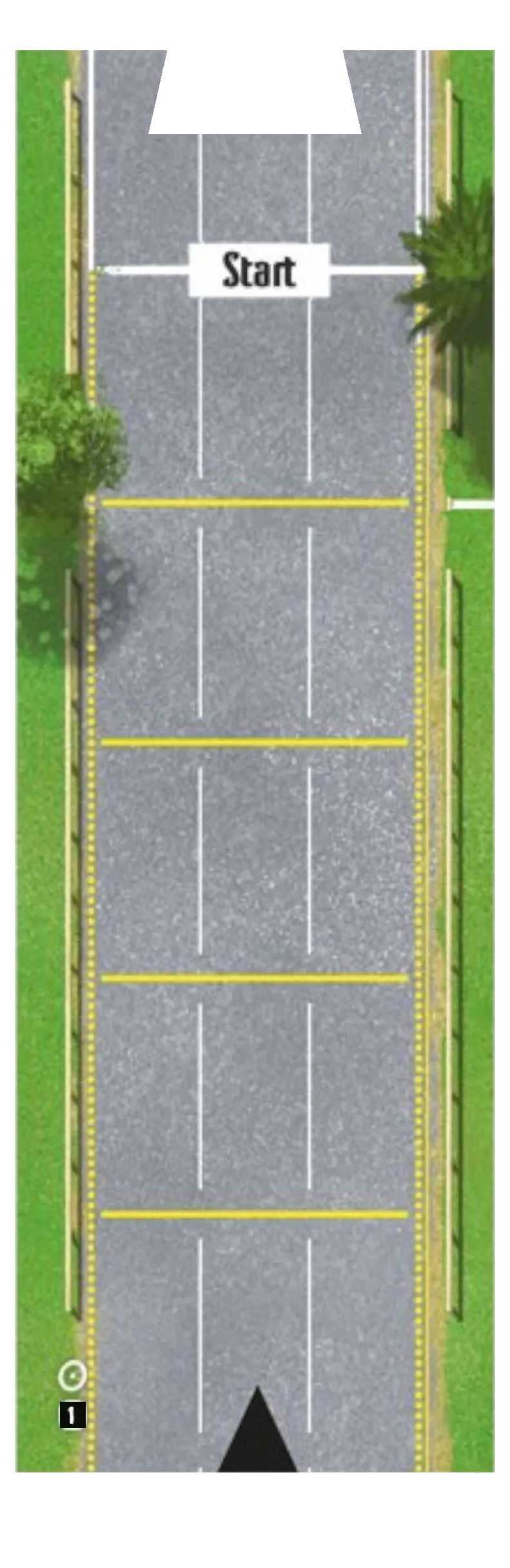 | Peloton tile p1b — road track section, with the printed lane geometry and route markings used when the stage layout calls for this face. Follow its cobblestone or supply-zone rules as indicated on the tile. Peloton route sections. |
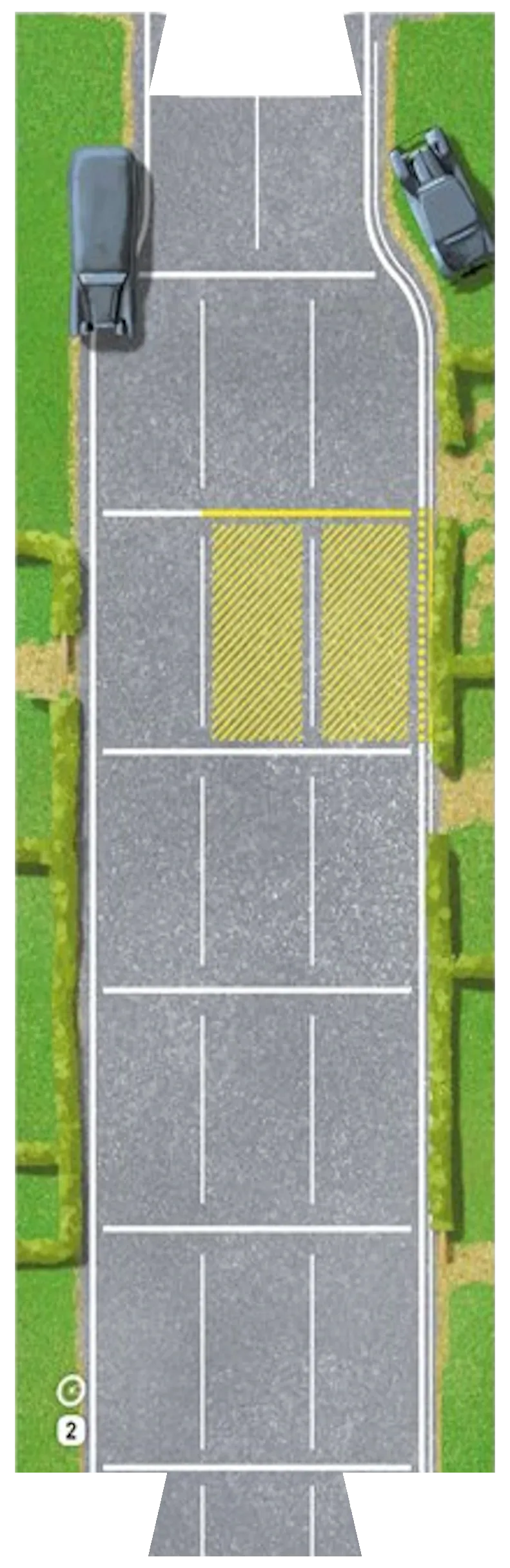 | Peloton tile p2 — road track section, with the printed lane geometry and route markings used when the stage layout calls for this face. Follow its cobblestone or supply-zone rules as indicated on the tile. Peloton route sections. |
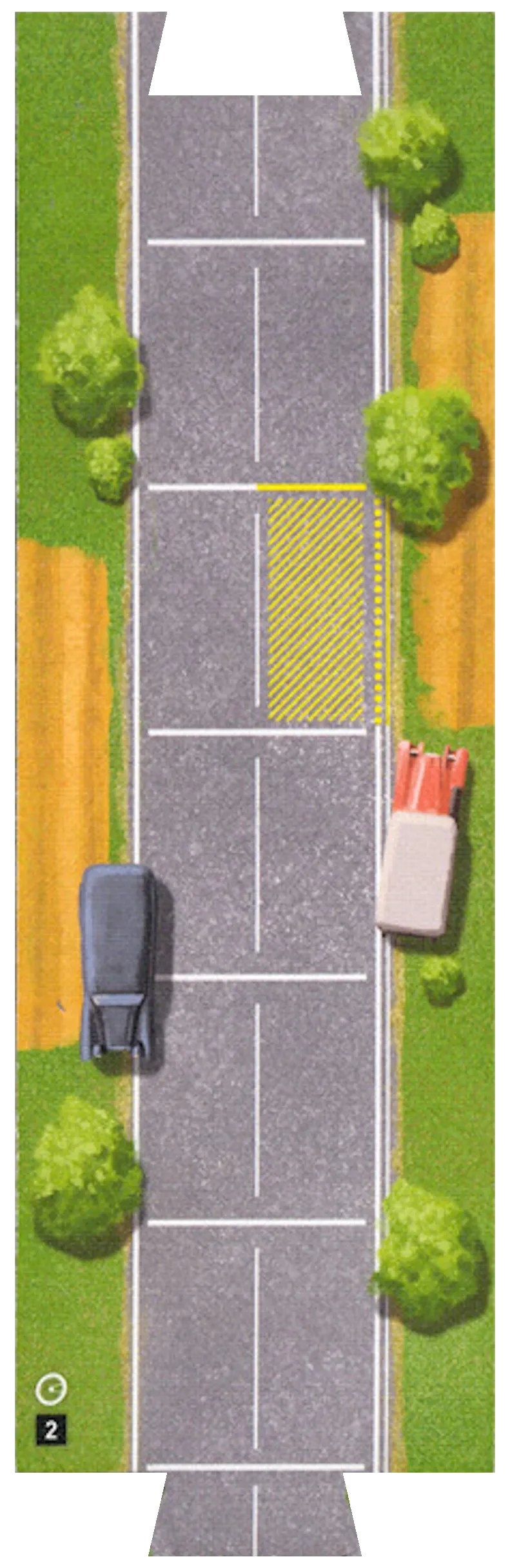 | Peloton tile p2b — road track section, with the printed lane geometry and route markings used when the stage layout calls for this face. Follow its cobblestone or supply-zone rules as indicated on the tile. Peloton route sections. |
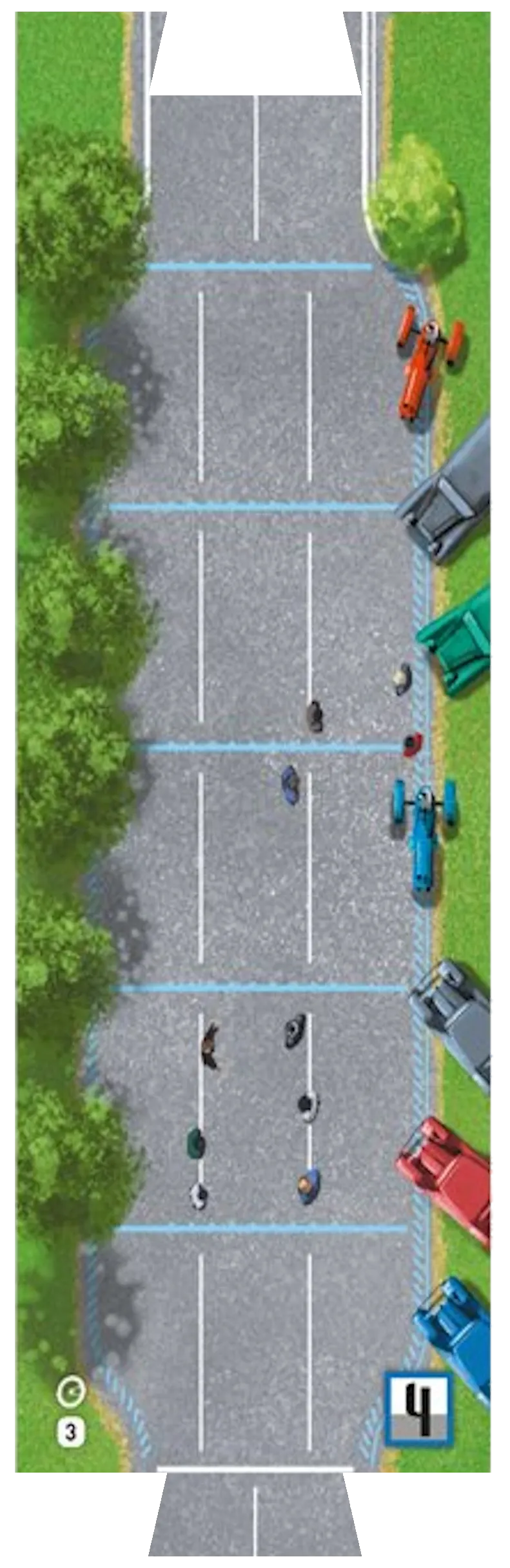 | Peloton tile p3 — road track section, with the printed lane geometry and route markings used when the stage layout calls for this face. Follow its cobblestone or supply-zone rules as indicated on the tile. Peloton route sections. |
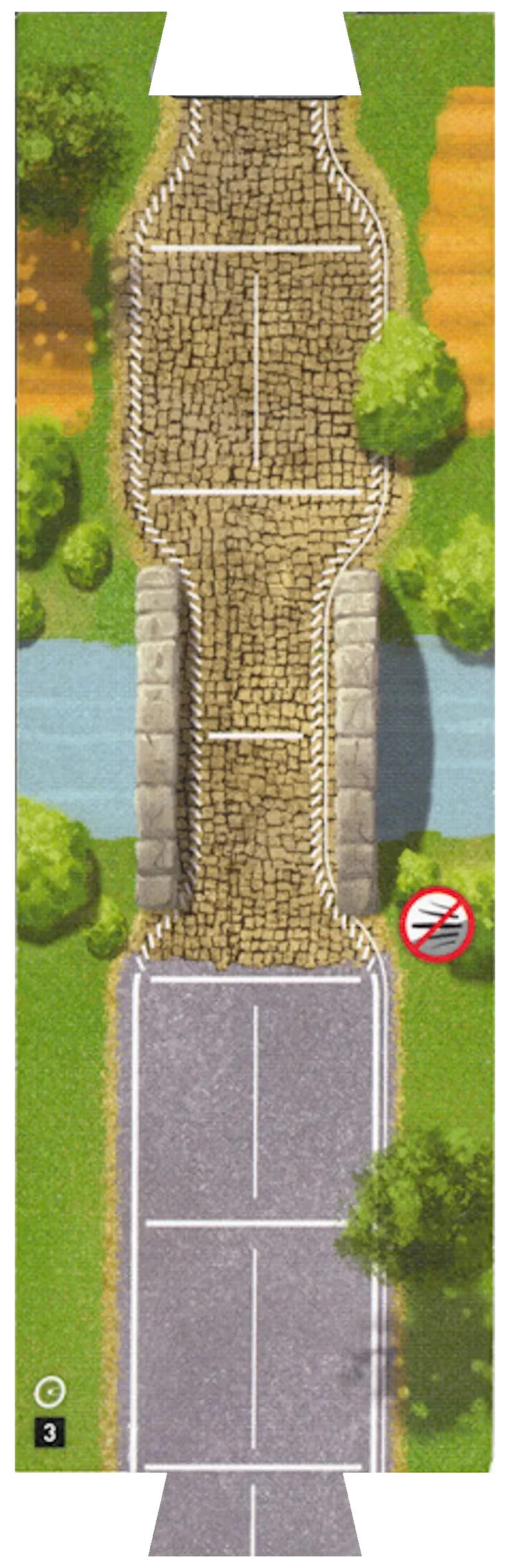 | Peloton tile p3b — cobblestone track section, with the printed lane geometry and route markings used when the stage layout calls for this face. Follow its cobblestone or supply-zone rules as indicated on the tile. Peloton route sections. |
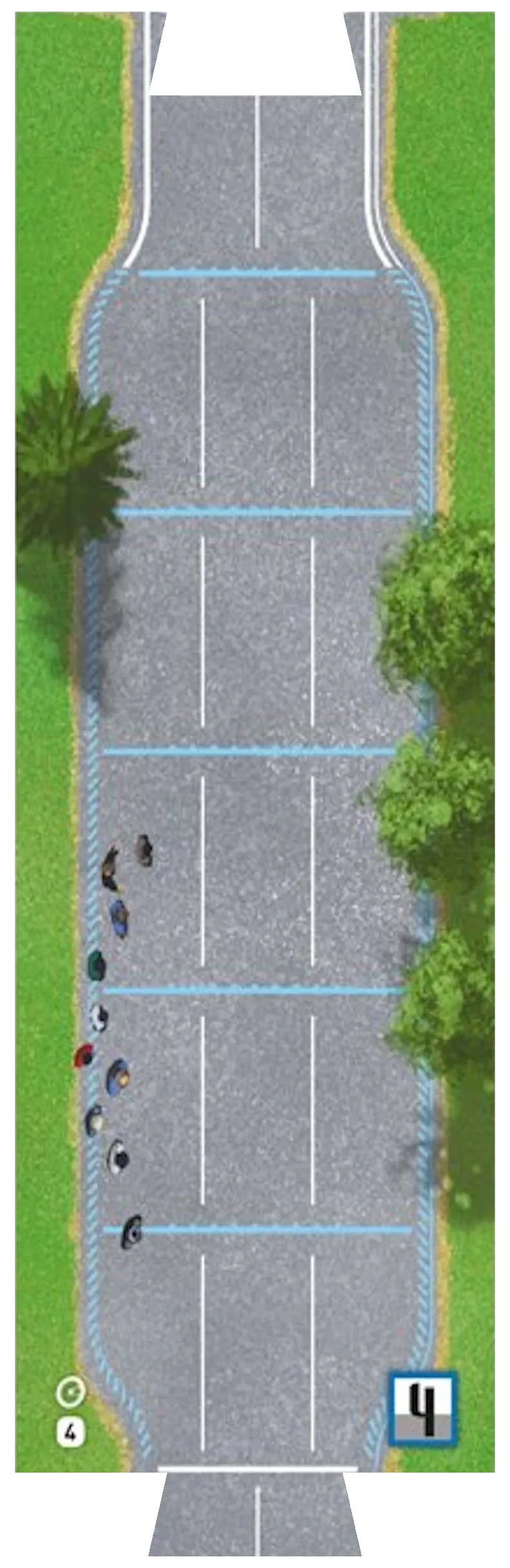 | Peloton tile p4 — road track section, with the printed lane geometry and route markings used when the stage layout calls for this face. Follow its cobblestone or supply-zone rules as indicated on the tile. Peloton route sections. |
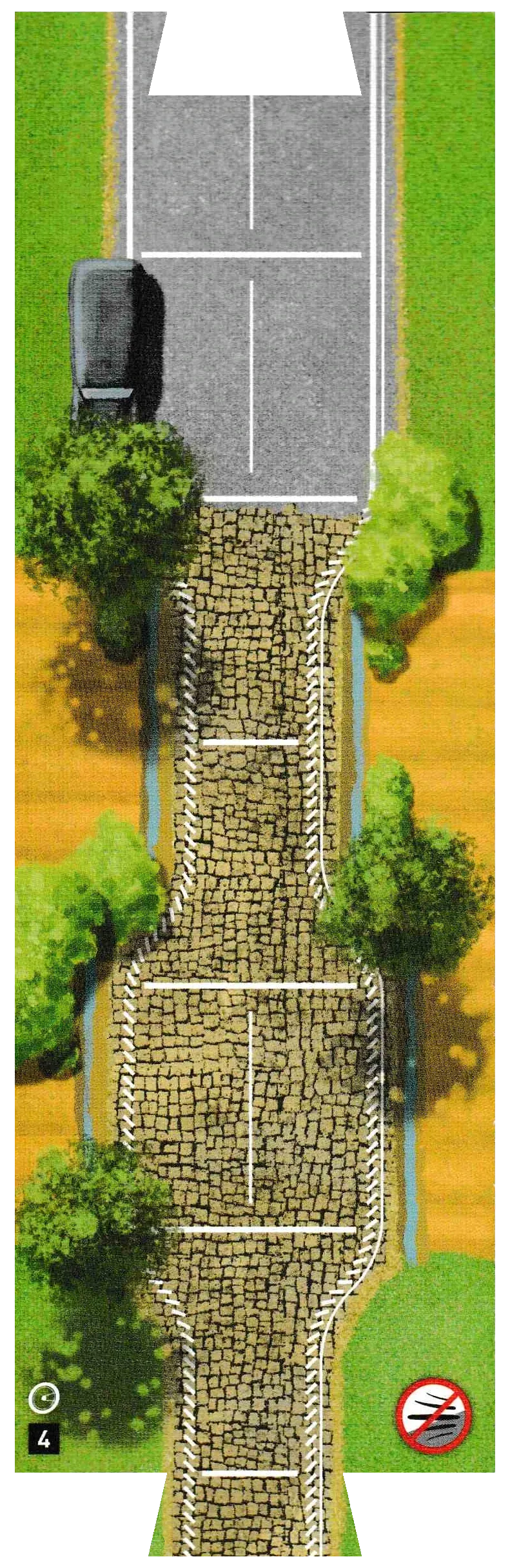 | Peloton tile p4b — cobblestone track section, with the printed lane geometry and route markings used when the stage layout calls for this face. Follow its cobblestone or supply-zone rules as indicated on the tile. Peloton route sections. |
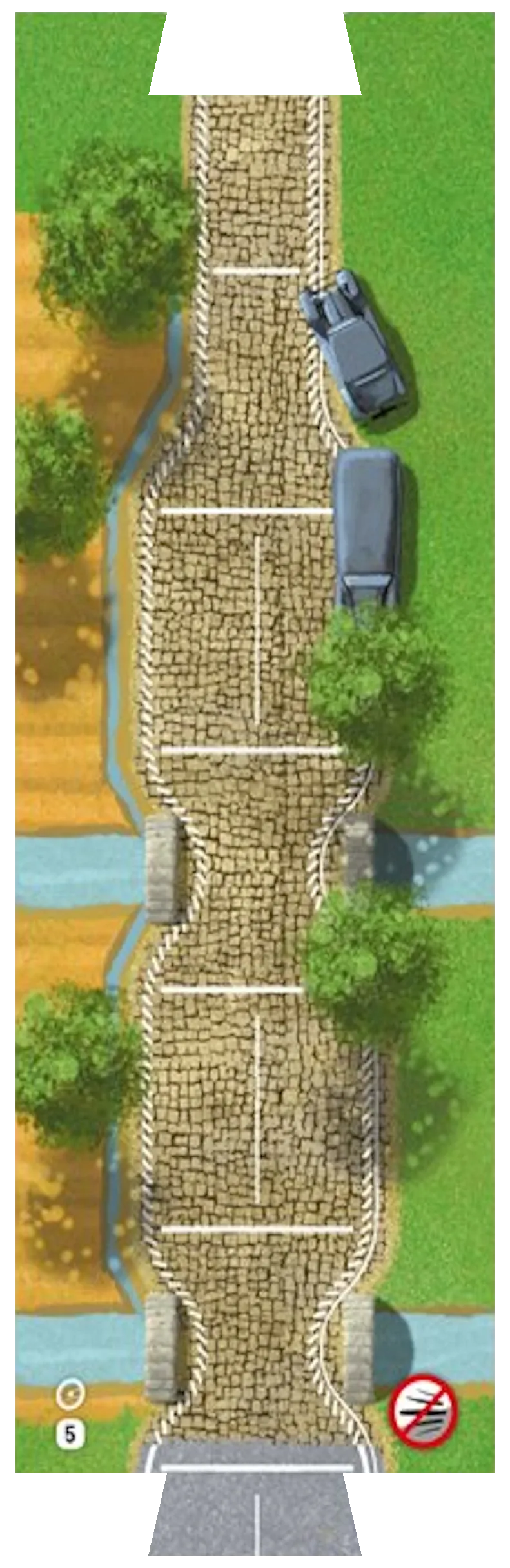 | Peloton tile p5 — cobblestone track section, with the printed lane geometry and route markings used when the stage layout calls for this face. Follow its cobblestone or supply-zone rules as indicated on the tile. Peloton route sections. |
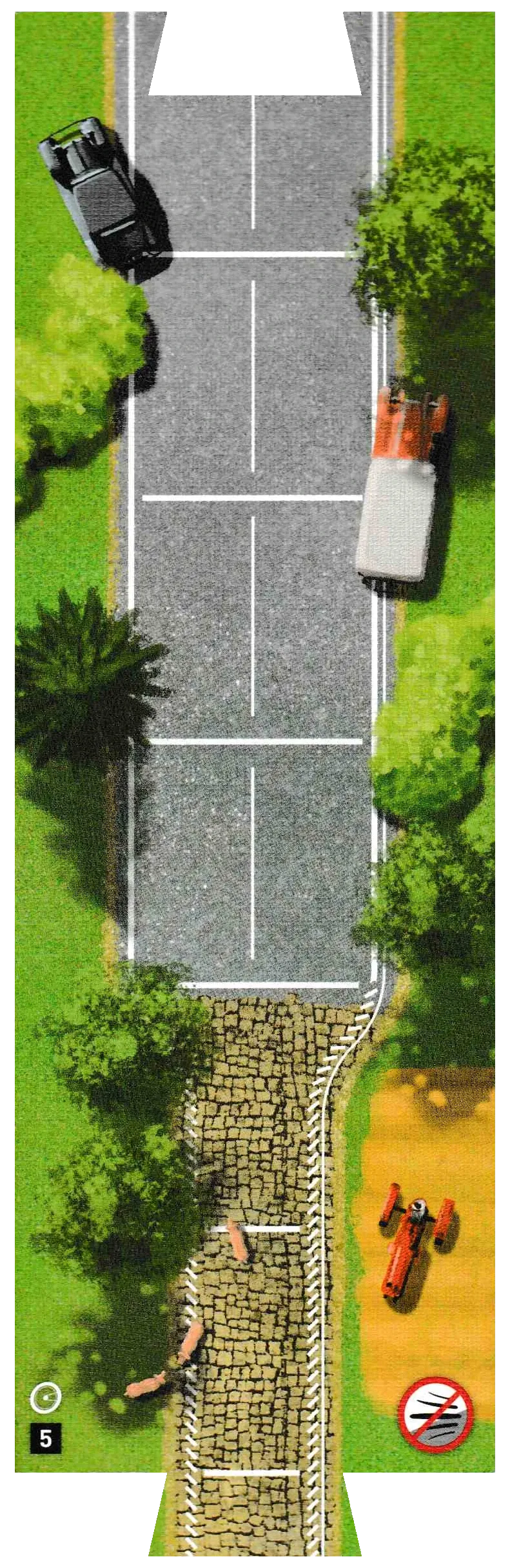 | Peloton tile p5b — road track section, with the printed lane geometry and route markings used when the stage layout calls for this face. Follow its cobblestone or supply-zone rules as indicated on the tile. Peloton route sections. |
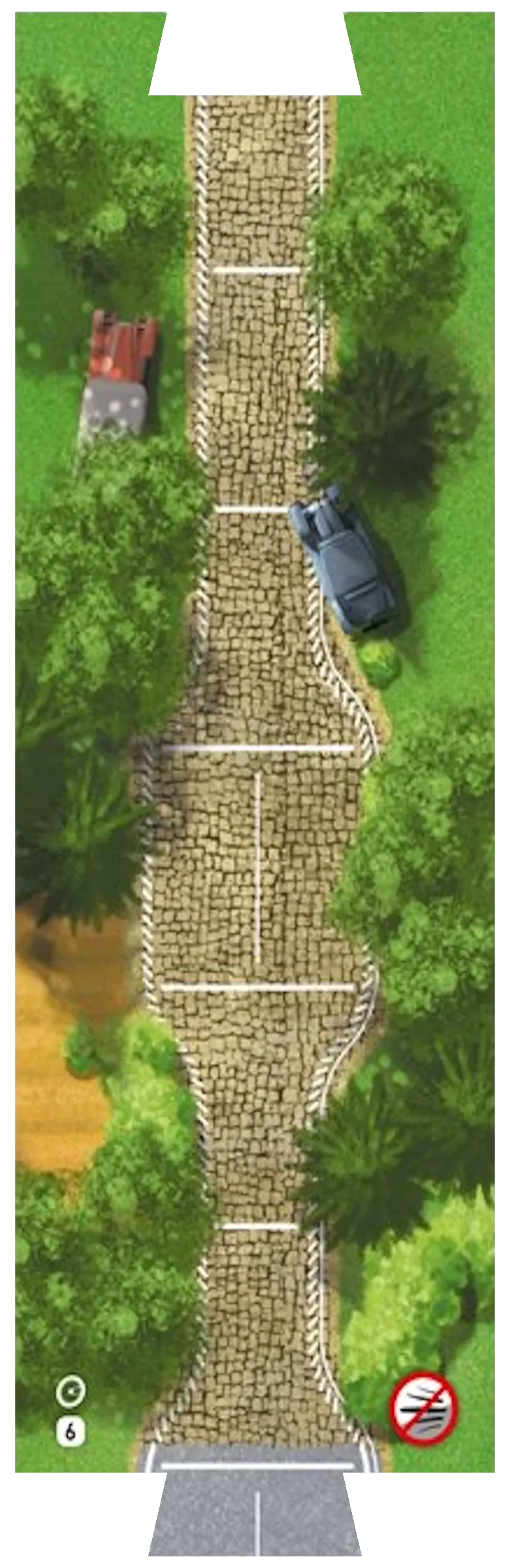 | Peloton tile p6 — cobblestone track section, with the printed lane geometry and route markings used when the stage layout calls for this face. Follow its cobblestone or supply-zone rules as indicated on the tile. Peloton route sections. |
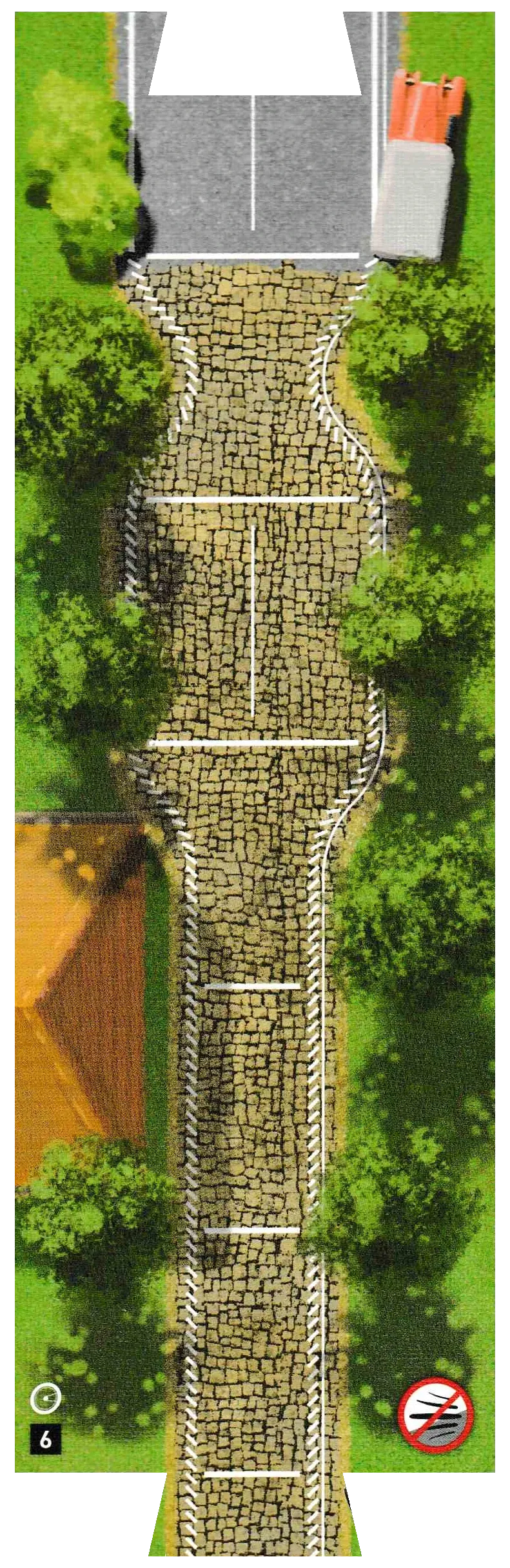 | Peloton tile p6b — cobblestone track section, with the printed lane geometry and route markings used when the stage layout calls for this face. Follow its cobblestone or supply-zone rules as indicated on the tile. Peloton route sections. |
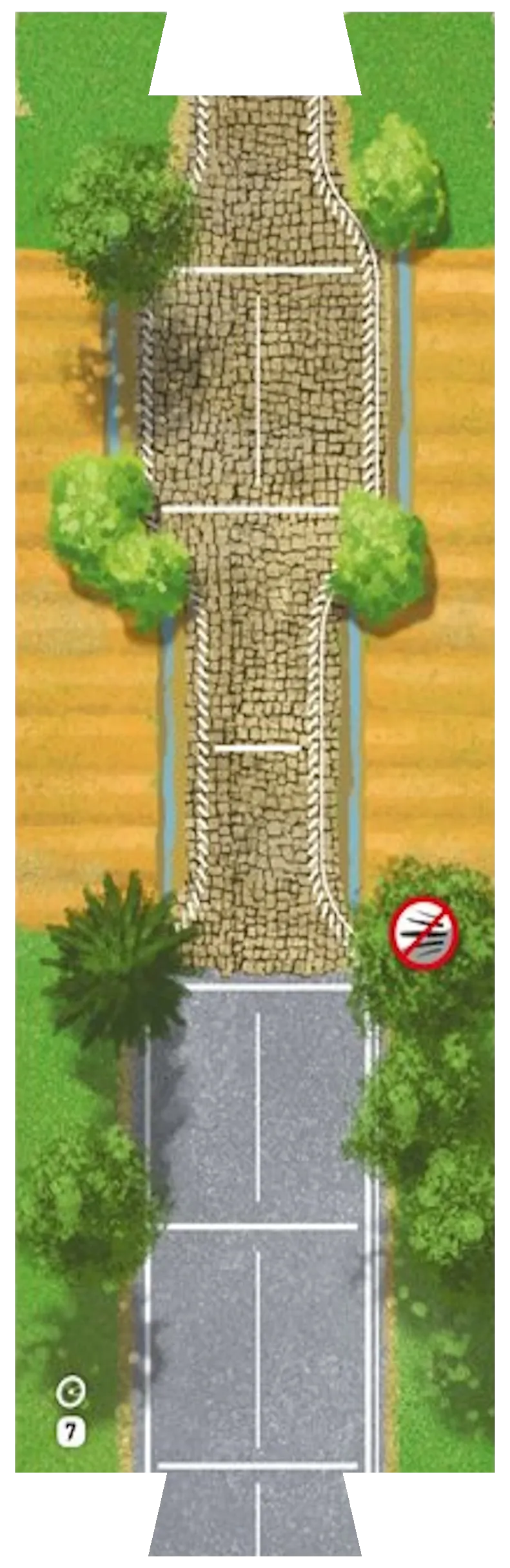 | Peloton tile p7 — cobblestone track section, with the printed lane geometry and route markings used when the stage layout calls for this face. Follow its cobblestone or supply-zone rules as indicated on the tile. Peloton route sections. |
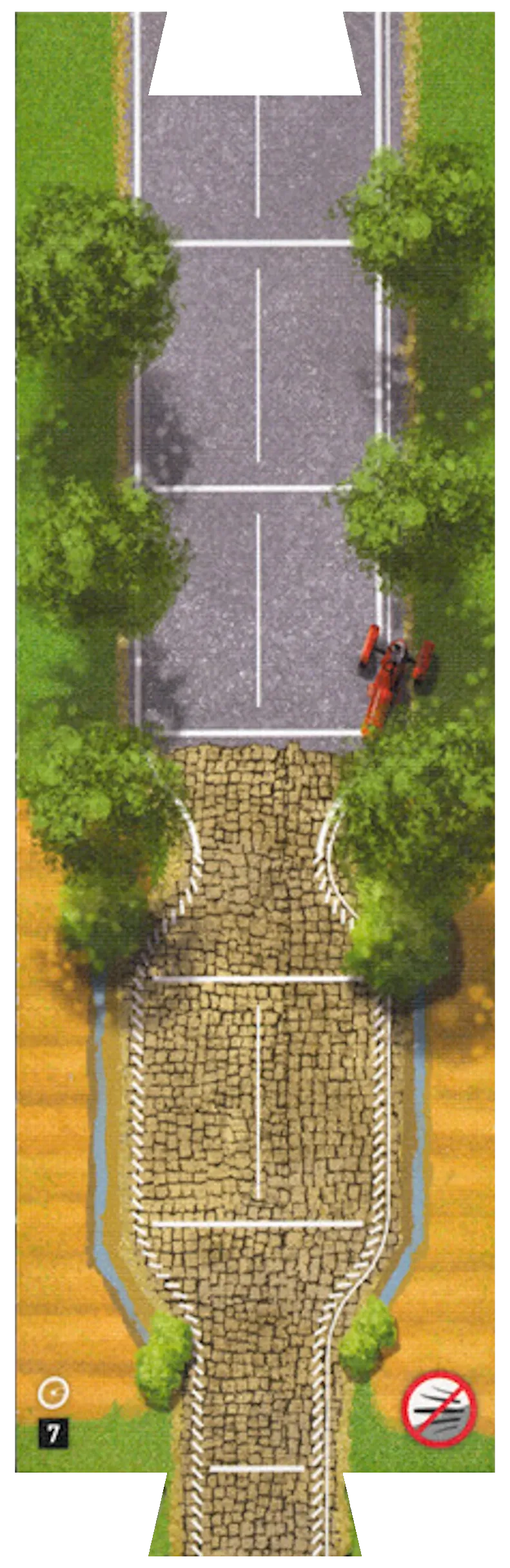 | Peloton tile p7b — cobblestone track section, with the printed lane geometry and route markings used when the stage layout calls for this face. Follow its cobblestone or supply-zone rules as indicated on the tile. Peloton route sections. |
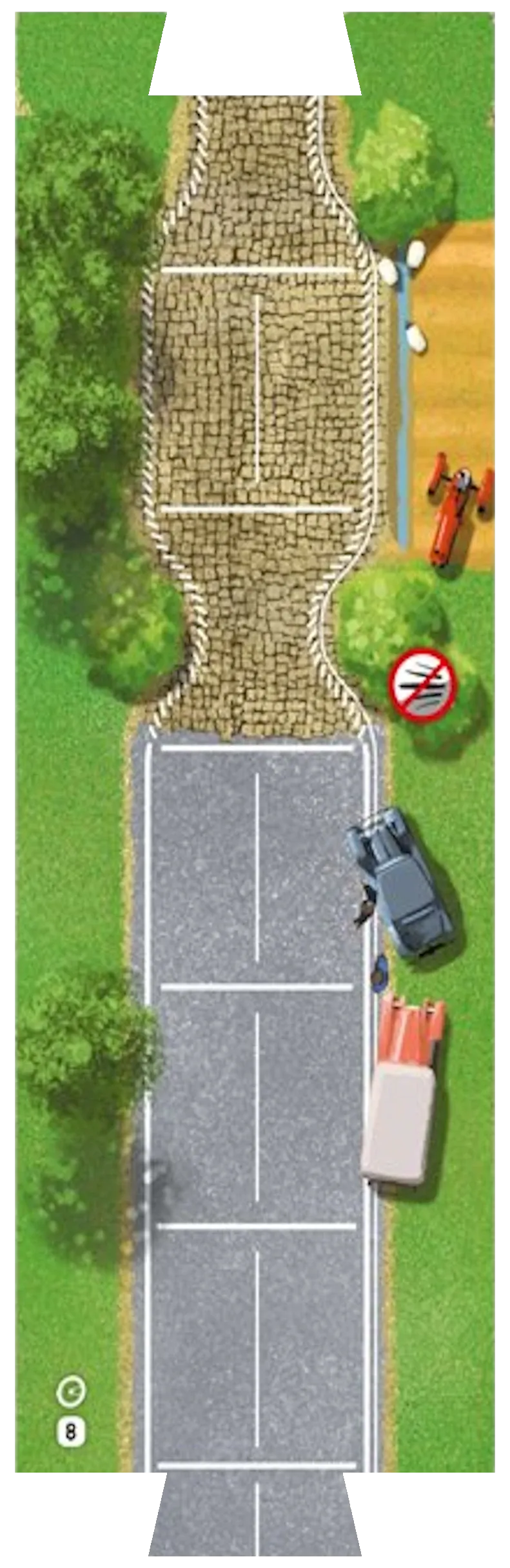 | Peloton tile p8 — cobblestone track section, with the printed lane geometry and route markings used when the stage layout calls for this face. Follow its cobblestone or supply-zone rules as indicated on the tile. Peloton route sections. |
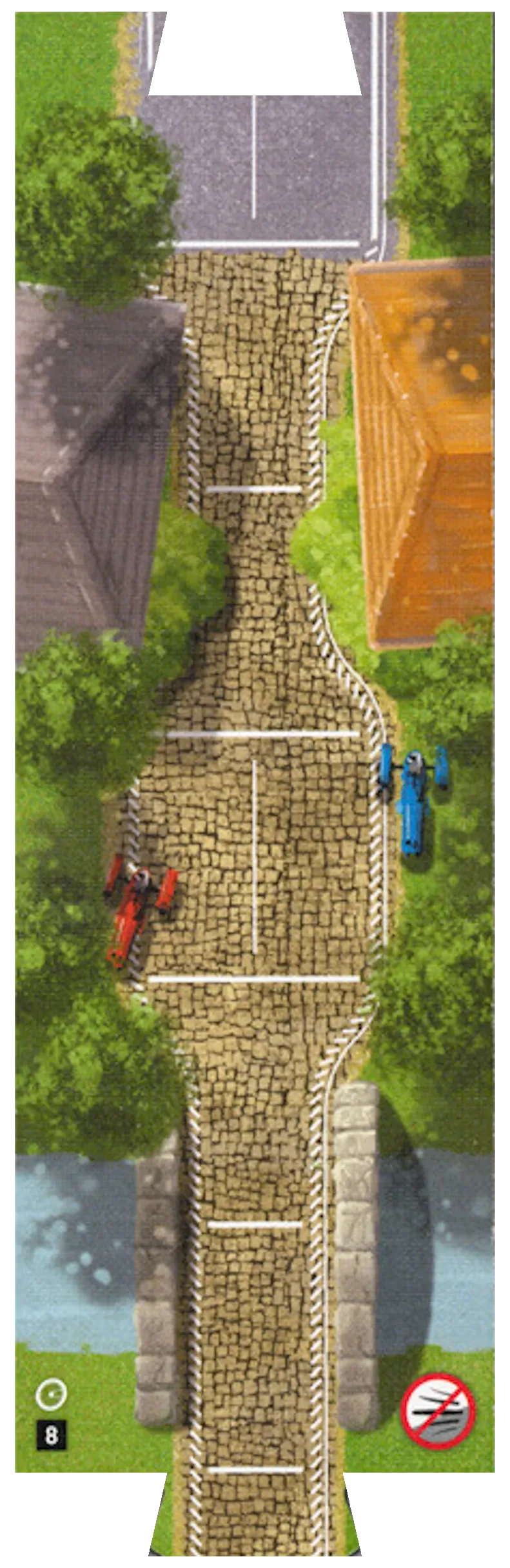 | Peloton tile p8b — cobblestone track section, with the printed lane geometry and route markings used when the stage layout calls for this face. Follow its cobblestone or supply-zone rules as indicated on the tile. Peloton route sections. |
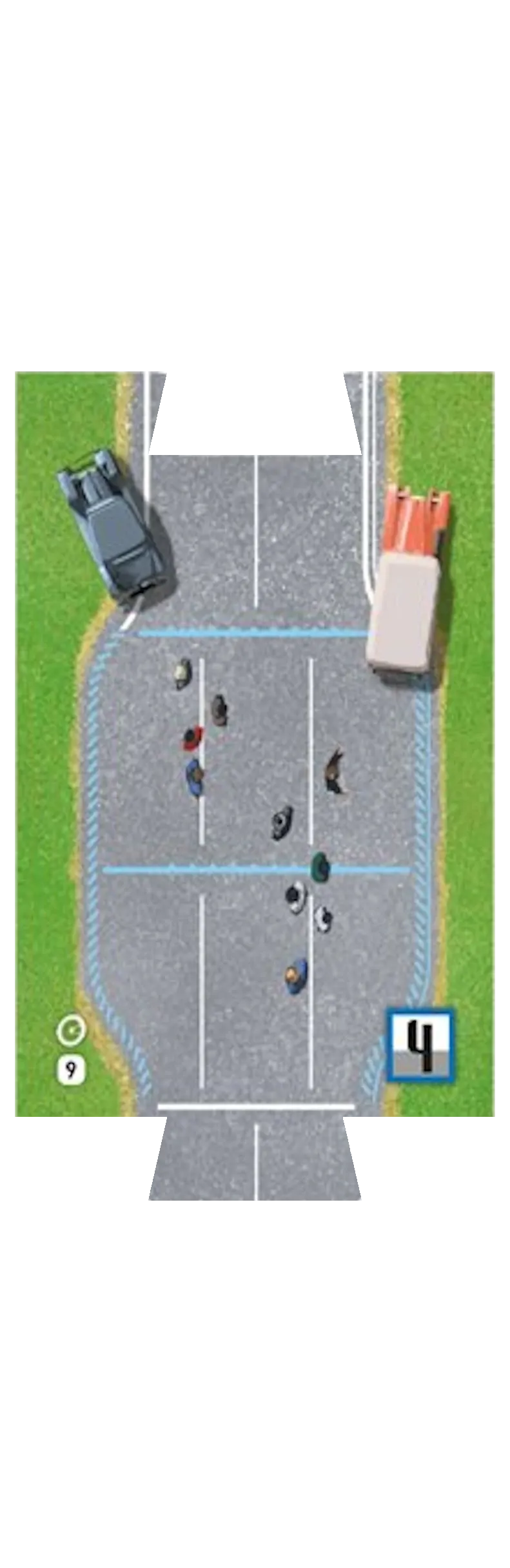 | Peloton tile p9 — road track section, with the printed lane geometry and route markings used when the stage layout calls for this face. Follow its cobblestone or supply-zone rules as indicated on the tile. Peloton route sections. |
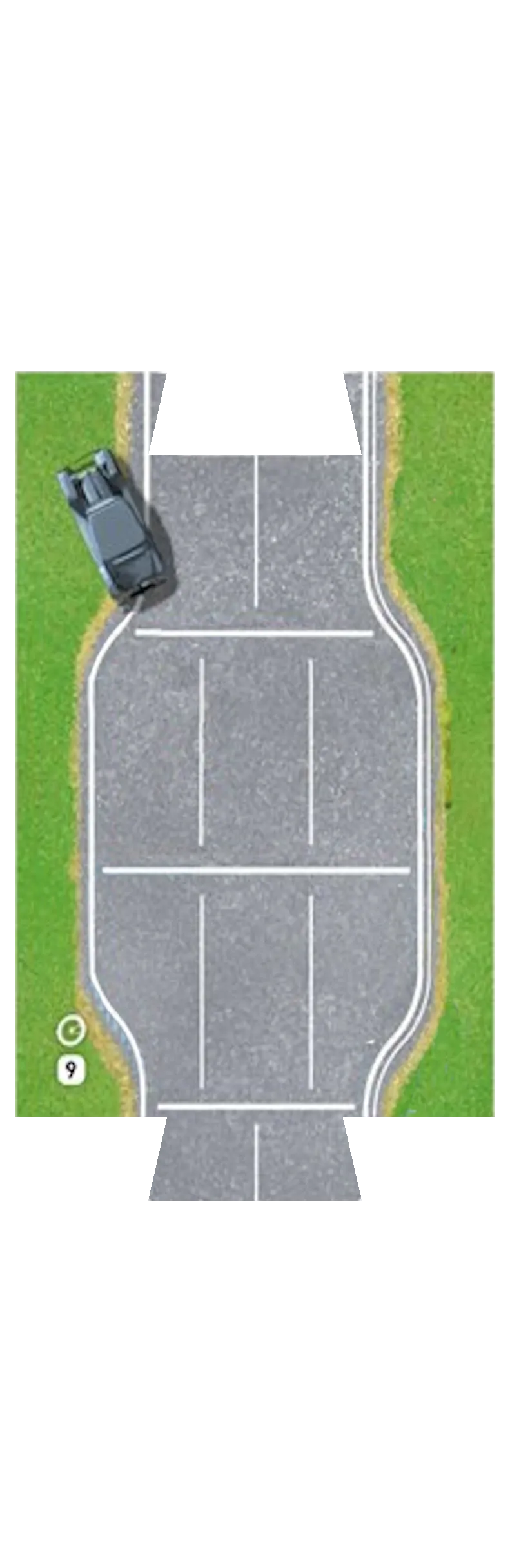 | Peloton tile p9b — road track section, with the printed lane geometry and route markings used when the stage layout calls for this face. Follow its cobblestone or supply-zone rules as indicated on the tile. Peloton route sections. |
Meteo faces
| Face | Use |
|---|---|
| To be added — Clear-weather token | Normal condition for a selected route space. |
| To be added — Dry-weather token | Weather condition; exact effects need scan verification. |
| To be added — Wet-weather token | Weather condition; exact effects need scan verification. |
| To be added — Wind token | Weather condition; exact effects need scan verification. |
| To be added — Storm token | Weather condition; exact effects need scan verification. |
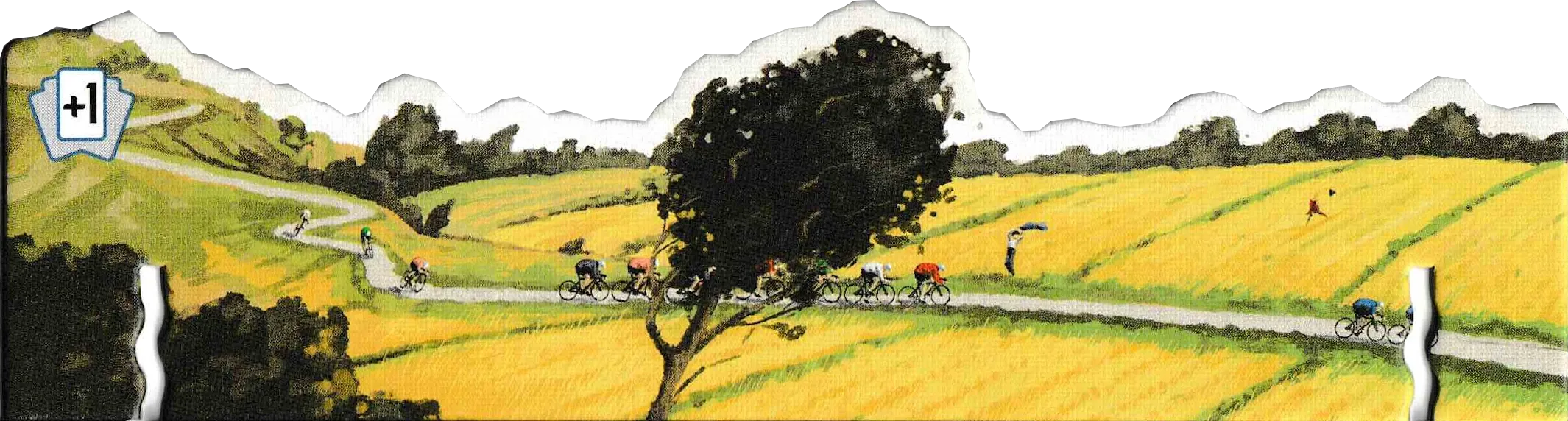 | Tailwind scene — marks a section with the +1 tailwind symbol. Meteo. |
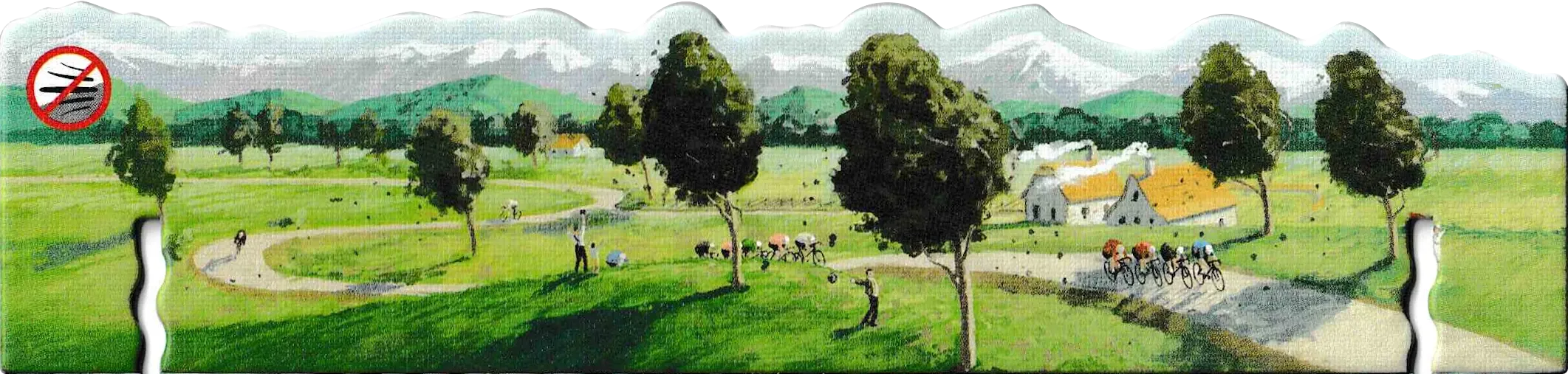 | Crosswind scene — marks a section with the crosswind restriction symbol. Meteo. |
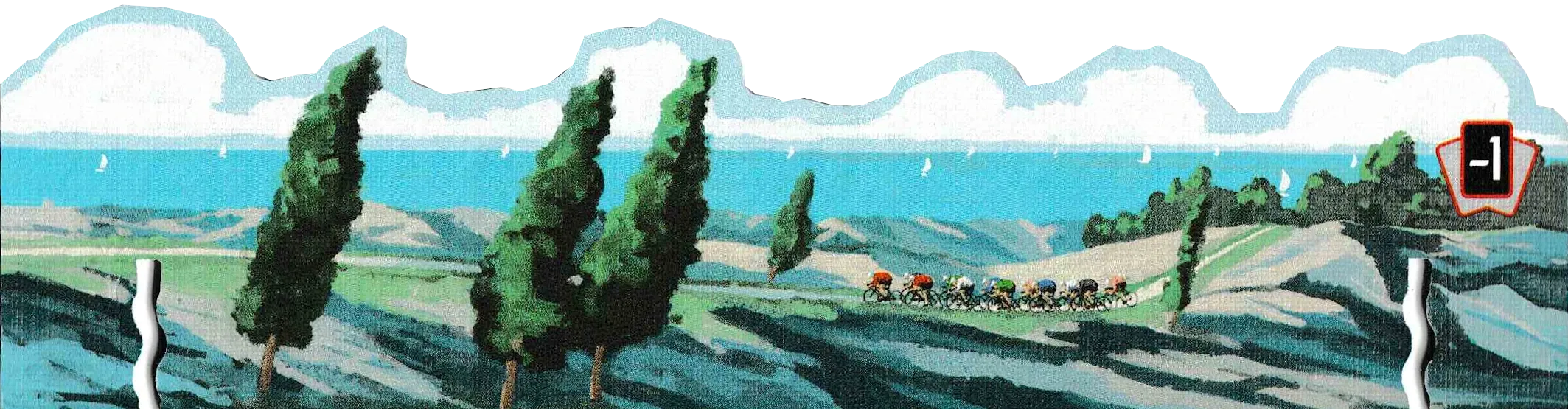 | Headwind scene — marks a section with the −1 headwind symbol. Meteo. |
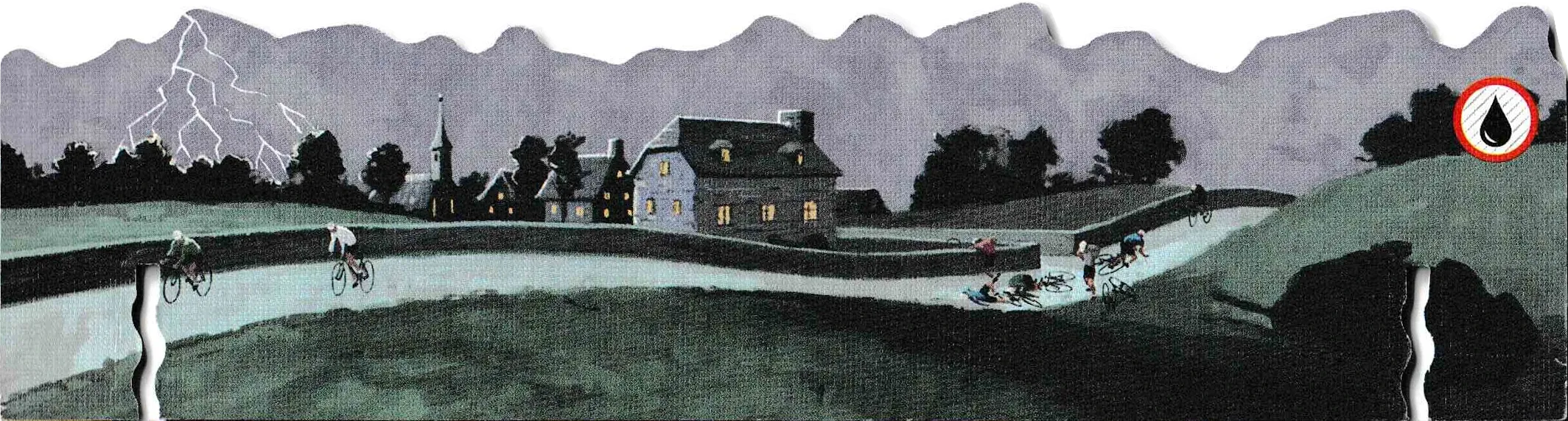 | Wet-weather scene — marks a section with the raindrop condition symbol. Meteo. |
Tiles
| Face | Use |
|---|---|
| 42 base track tile faces, listed individually above | Use the side named on the stage card; its lane and terrain layout form that segment. See Building a route. |
Tokens & pieces
| Face | Use |
|---|---|
| To be added — Rider figures (eight base colors) | Mark each team’s Rouleur and Sprinteur positions. |
| To be added — Weather markers and 13 Meteo tokens | Identify route weather effects; see Meteo. |
| To be added — Peloton breakaway markers | Track the riders assigned to the breakaway group; see Breakaways. |
| To be added — Grand Tour sprint, mountain, podium, jersey and time tokens | Track stage classifications and campaign results; see Grand Tour scoring. |
Icons
| Face | Use |
|---|---|
| To be added — Terrain, slipstream, exhaustion and weather symbols | The rulebook legend identifies the printed symbols; sharp icon crops remain unavailable. See Racing and Terrain. |