Every company deed, city card and piece of Indonesia's third edition: the 24 deeds by era with their province and ship limits, the 15 city cards, and every marker, ship and coin.
Every distinct deed and city-card front, grouped by type, with a link to the rule that uses it.
Component pictures come from the third-edition rulebook. The deed and city-card fronts come from
the third-edition Tabletop Simulator mod.
The visible deed backs come from a photo of a third-edition game
(BoardGameGeek image 8803133). The mod uses a nonphysical
striped treatment for card backs, so it is not used for them.
Boards
To be added.
Cards
Company deeds
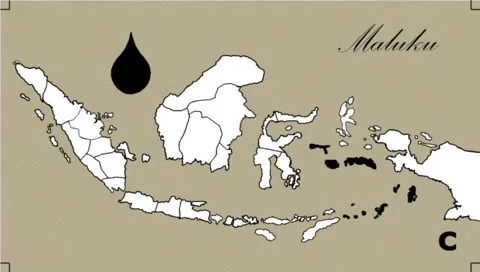
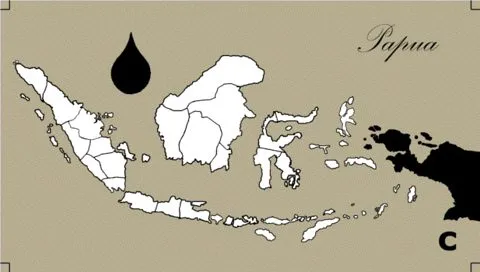
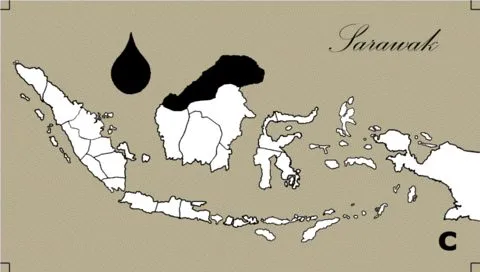
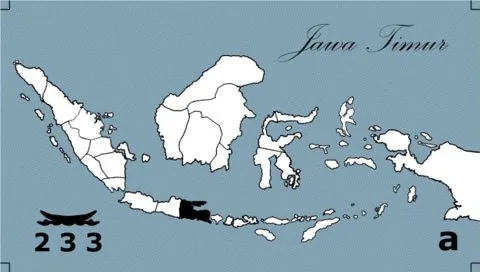
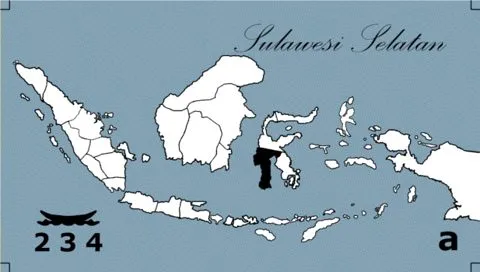
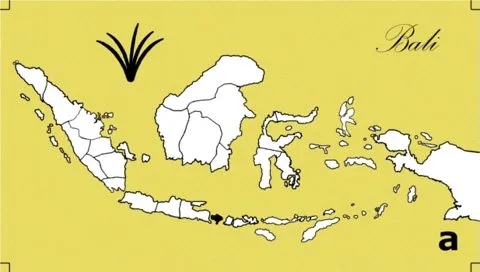
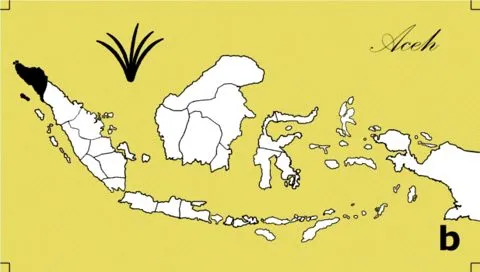
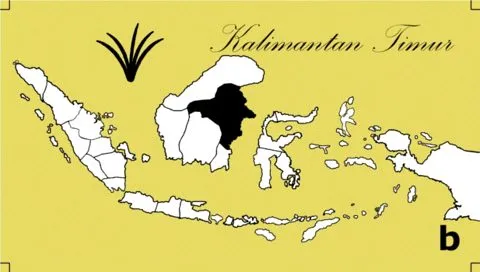
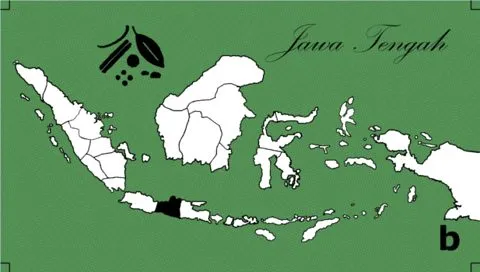
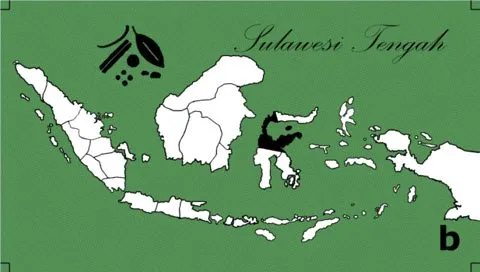
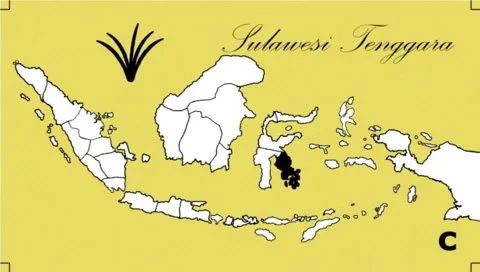
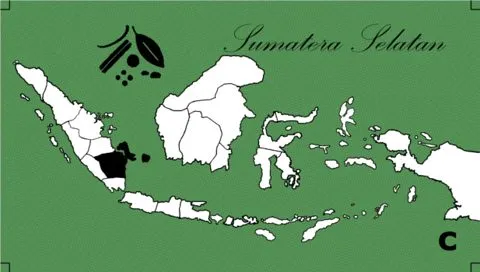
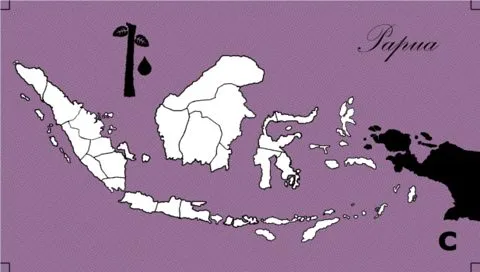
A deed is a company. Its front shows the company’s goods symbol, a small map with its starting
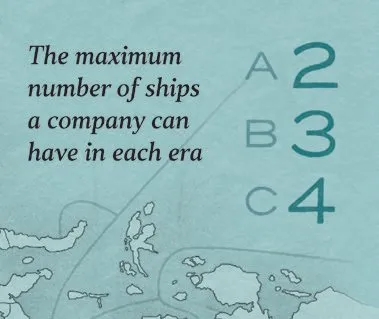
province picked out in white, and the province name. Shipping deeds also print the line’s
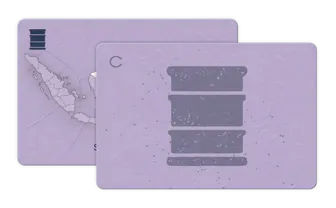
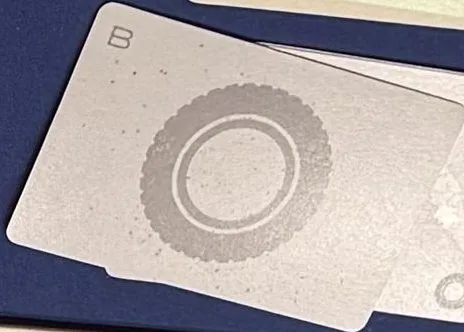
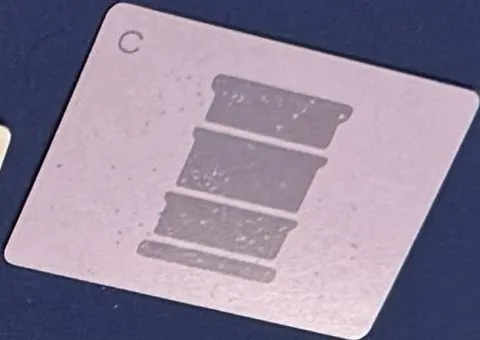
maximum ships in eras A, B and C. The back shows the goods symbol large and the deed’s era
letter. Turn a deed to its back once the company has operated in a year
(Operating in turn).
Picture
What it is
24 company deeds: 8 of era A, 9 of B and 7 of C. Only the current era’s deeds are on the board (New companies). Taking one is free if you have a slot (Acquisitions).
Ship limits: the most ships the line may have in era A, B and C. Merged lines add their limits together (Shipping companies). A dash means the line can’t exist yet in that era.
Deed backs
Picture
What it is
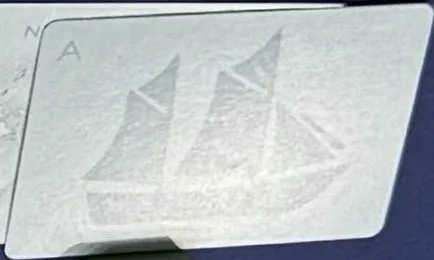
Shipping, era A: carries other companies’ goods for 5 rupiah a ship. This is the shipping fee; the same ship is valued at 10 rupiah for merger bids. (Income and shipping fees, FAQ)
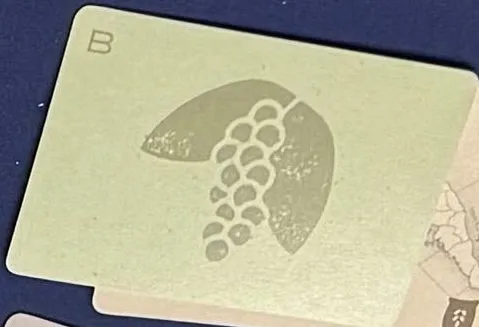
Spice, era B: sells for 25.
Rubber, era B: sells for 30.
Oil, era C: sells for 40.
The rice deed back is not pictured in a public source. The mod’s striped backs do not match the
physical deed backs. Siap saji has no deeds: it only comes from
Jawa Timur shipping, ships 2/3/3. The north and south sea areas by Java are separate; crossing between them takes three ship legs via Bali. (Shipping companies, FAQ)
Sulawesi Selatan shipping, ships 2/3/4. Its northern sea touches only the northern province, not the southern one. (Shipping companies, FAQ)
Bali rice. The rulebook’s acquisition example uses it: of Bali’s two areas, only the one not next to another rice company is allowed (Production companies). A new company’s first good may go in any empty land space in its named province, not only on the printed symbol. FAQ.
Kalimantan Selatan oil. In the rulebook’s new-era example it has no free starting area, so it is discarded (New era); a deed is removed as soon as its last legal start space disappears. FAQ, FAQ.
Maluku oil. Maluku’s nine land areas form separate north and south groups, so one company can occupy at most six. (Production companies, FAQ)
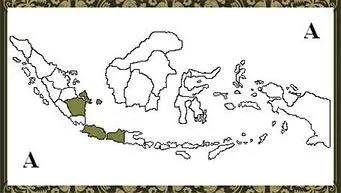
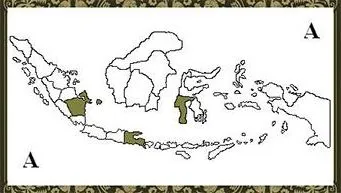
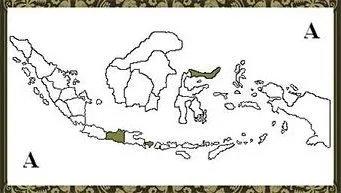
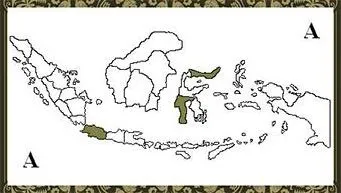
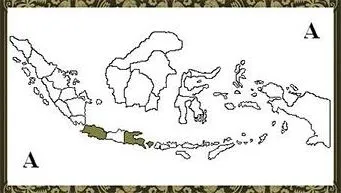
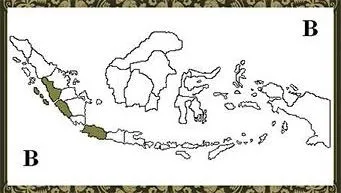
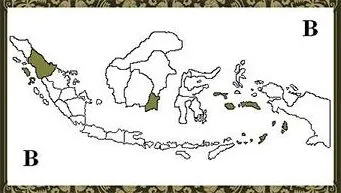
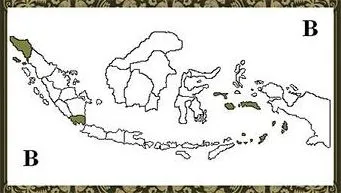
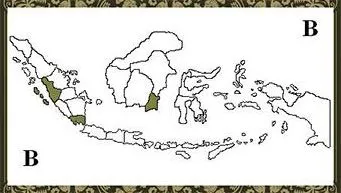
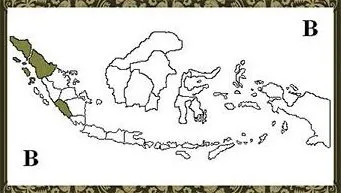
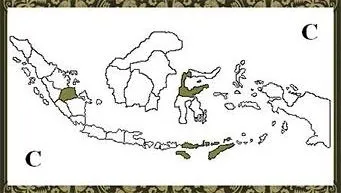
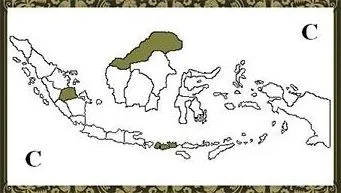
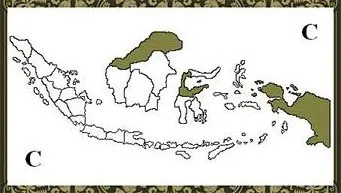
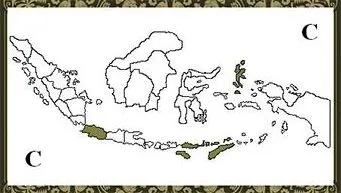
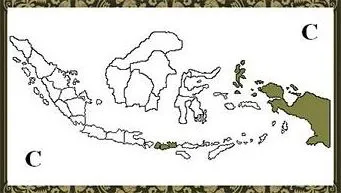
Each face marks three eligible provinces on its map. At the start of the matching era, build a city
in one marked province that still has a free coastal area (Building cities).
Each player gets one card of each era (two of each with two players); a card with no eligible coast
is discarded, as is a card when the size 1 markers run out.
Era A
Picture
What it does
Era A: choose one of the three marked provinces for a city. Marked province names: check against the physical component.
Era A: choose one of the three marked provinces for a city. Marked province names: check against the physical component.
Era A: choose one of the three marked provinces for a city. Marked province names: check against the physical component.
Era A: choose one of the three marked provinces for a city. Marked province names: check against the physical component.
Era A: choose one of the three marked provinces for a city. Marked province names: check against the physical component.
Era B
Picture
What it does
Era B: choose one of the three marked provinces for a city. Marked province names: check against the physical component.
Era B: choose one of the three marked provinces for a city. Marked province names: check against the physical component.
Era B: choose one of the three marked provinces for a city. Marked province names: check against the physical component.
Era B: choose one of the three marked provinces for a city. Marked province names: check against the physical component.
Era B: choose one of the three marked provinces for a city. Marked province names: check against the physical component.
Era C
Picture
What it does
Era C: choose one of the three marked provinces for a city. Marked province names: check against the physical component.
Era C: choose one of the three marked provinces for a city. Marked province names: check against the physical component.
Era C: choose one of the three marked provinces for a city. Marked province names: check against the physical component.
Era C: choose one of the three marked provinces for a city. Marked province names: check against the physical component.
Era C: choose one of the three marked provinces for a city. Marked province names: check against the physical component.
Tiles
To be added.
Tokens & pieces
The pieces
Picture
What it is
16 company start markers, one goods symbol each. Each shows where a deed of the current era can start; remove it when the deed is taken (Acquisitions).
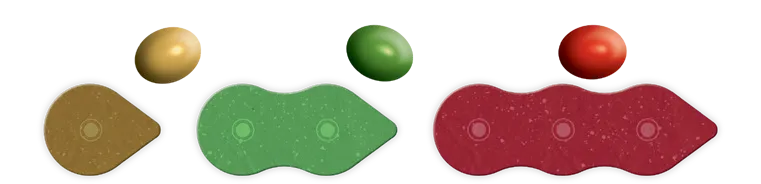
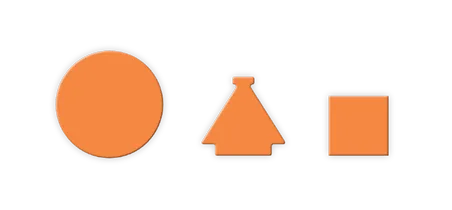
23 city markers with goods displays: 12 size 1 (amber), 8 size 2 (green), 3 size 3 (red). The display counts only goods sold this year; clear it at the end of each turn. A city can grow by two sizes in one year, but growth stops if no marker of the required size is available. (Selling goods, City growth, FAQ, FAQ, FAQ, FAQ)
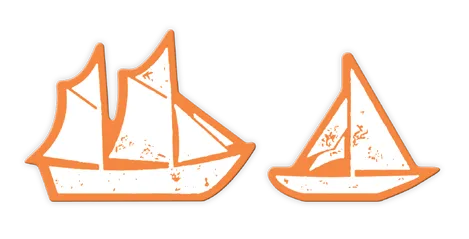
Ships: a set in each player colour, plus three neutral sets. Ship shape is cosmetic; neutral ships can stand in when you run out of your colour. Each ship’s hull capacity refreshes for every company that operates, and a merger keeps all ships on the map. (Shipping mergers, FAQ, FAQ, FAQ, FAQ, FAQ, FAQ)
70 wooden player markers: 5 R&D cubes, 1 turn-order disc and 8 huts per colour. The huts mark your plantations (Research and development).
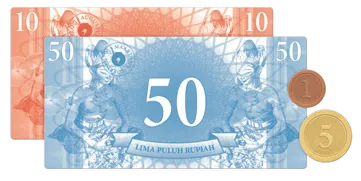
Money: coins of 1 and 5 rupiah, notes of 10, 50, 100 and 500. Each player starts with 100.
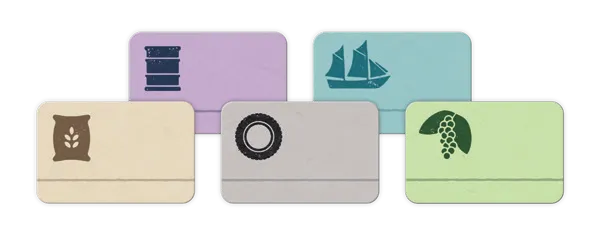
Goods counters
Each counter is a plantation area on the map, or a good sold to a city when placed on its goods
display.
Picture
What it is
Rice: sells for 20; merger value 20 per area. The first crop on the board.
Spice: sells for 25; merger value 25.
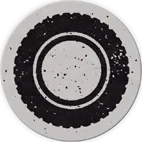
Rubber: sells for 30; merger value 30. From era B.
Siap saji (microwave meals): sells for 35; merger value 35, or 25 when first made from rice and spice (Siap saji mergers). It is its own good type, not rice or spice; when formed by merging rice and spice, remove half of their combined goods (round up) before keeping the rest. FAQ, FAQ, FAQ, FAQ.
Oil: sells for 40; merger value 40. From era C.
Player aid and screen
Each player has a screen and a player aid. The aid lists the seven phases and the goods values,
and has three boxes. Bank holds your turn-order bids, which count at the end but can’t be
spent (Bid for turn order). Cash is your spending money.
Earnings holds this year’s operating income, kept apart because the last year’s is doubled
(Last earnings double).
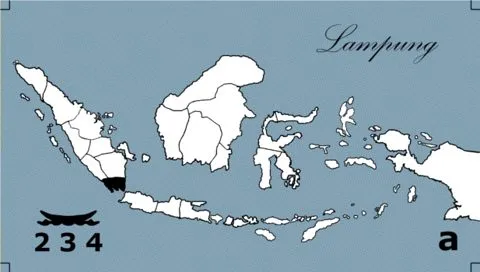
 shipping, ships 2/3/4. Starts in a sea area next to Lampung, at the south tip of Sumatra. (Acquisitions)
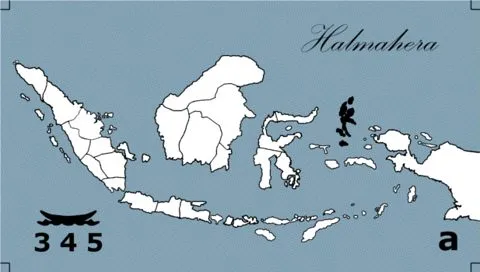
 rice. The rulebook’s acquisition example uses it: of Bali’s two areas, only the one not next to another rice company is allowed (Production companies). A new company’s first good may go in any empty land space in its named province, not only on the printed symbol. FAQ.
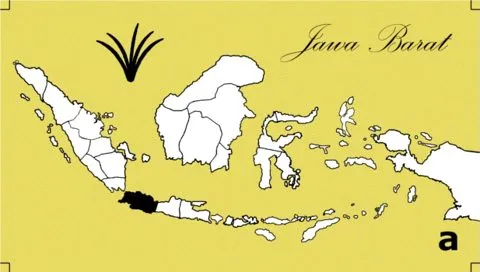
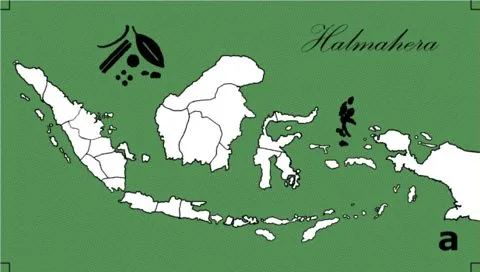
 spice. (Production companies)
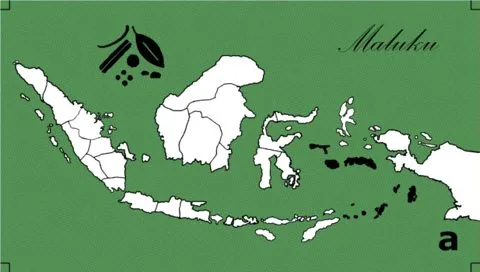
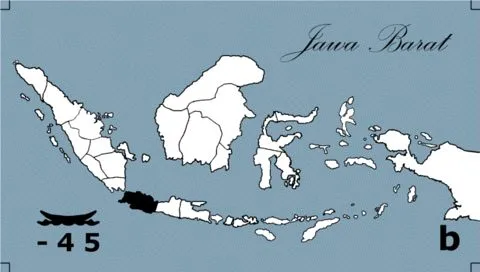
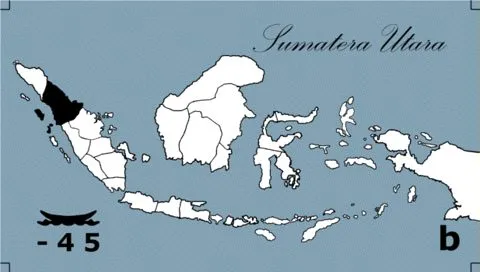
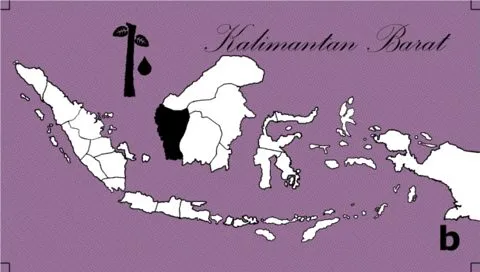
 rubber. (Production companies)
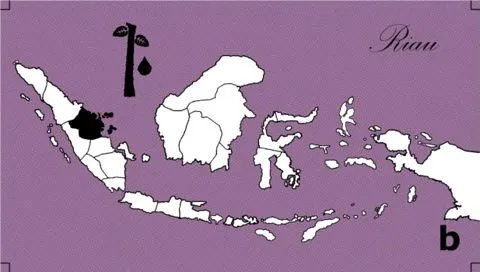
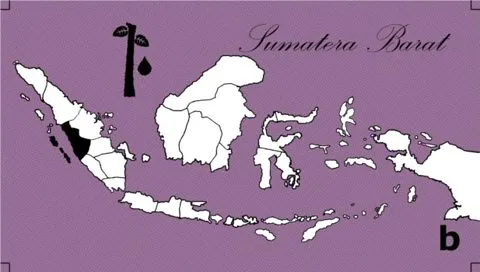
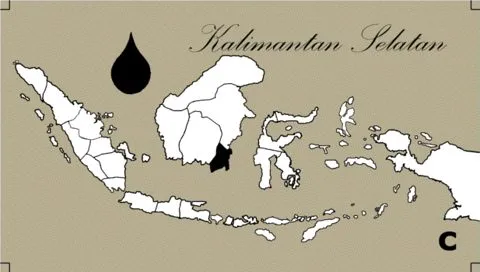
 oil. In the rulebook’s new-era example it has no free starting area, so it is discarded (New era); a deed is removed as soon as its last legal start space disappears. FAQ, FAQ.