Cards & Components
Every component of Ambush!: maps, Mission Cards and View Sleeve, German and US soldier cards, vehicle cards, Squad Record, counters and markers, with pictures from the rulebook.
The box holds two maps, the View Sleeve and 48 Mission Cards, the German and US soldier and vehicle cards, the Paragraph Booklet, the Chart Reference Screen, Squad Records, two ten-sided dice and the counters (rulebook pp. 3–6). Pictures below come from the rulebook; where it shows none, the entry says so.
Boards
Maps
Map A (Normandy bocage, used by Missions 1, 6, 7 and 8) and Map B (a village with a church and railway station, Missions 2, 3, 4 and 5). Hexes are lettered A–Y across and numbered 1–19 down; terrain, elevation levels 1–3, embankments, crests, streams and buildings with their doors and windows are all printed on them. See Line of Sight for the excerpts the rulebook uses.
To be added.
Squad Record
| Picture | What it shows |
|---|---|
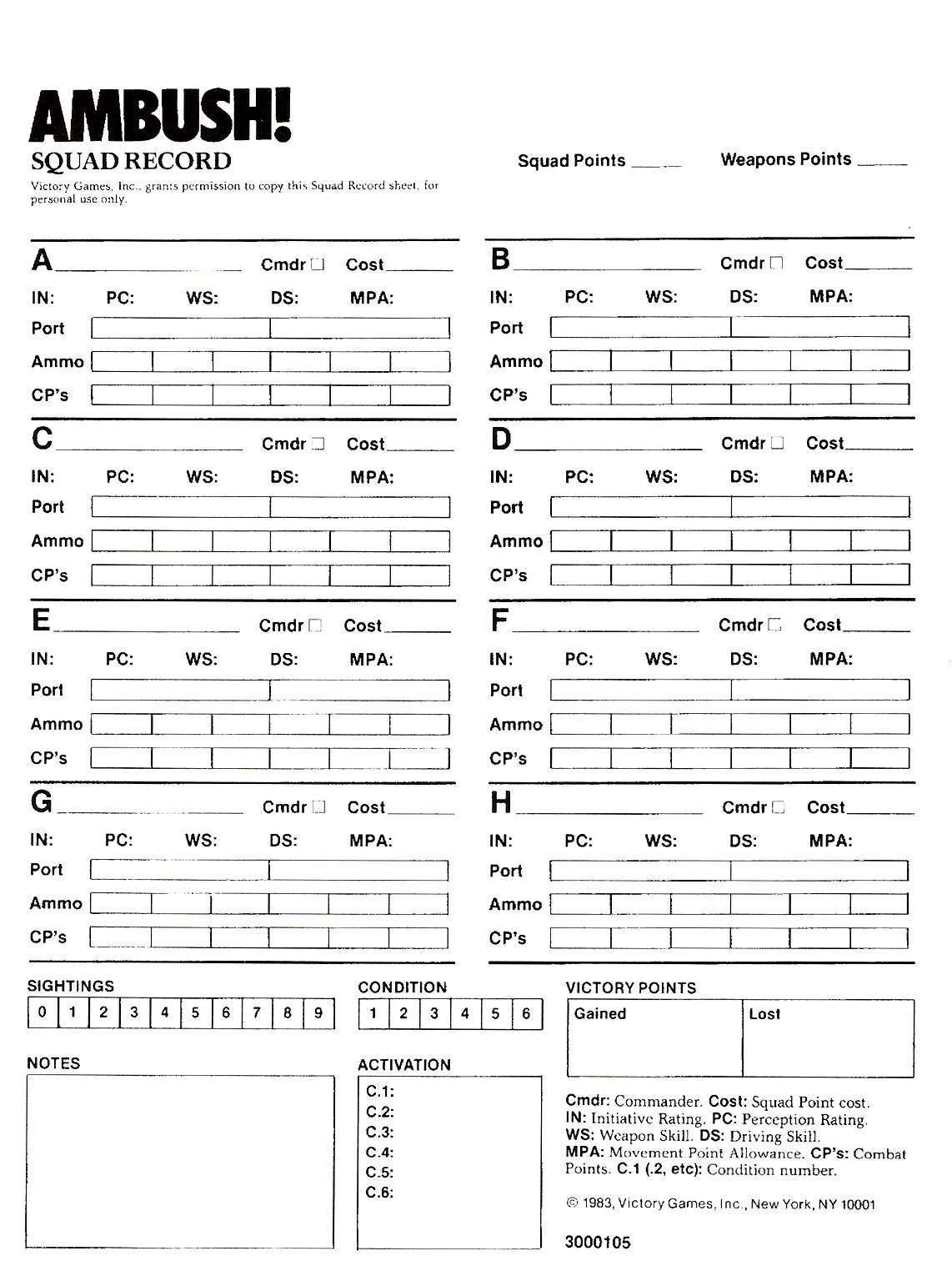 | One line per soldier A–H: cost, IN, PC, WS, DS, MPA, Port Boxes for weapons, Ammo Boxes, CP boxes, plus the VP gain and loss boxes and a Notes area (p. 7). See The Squad Record. |
Chart Reference Screen
Weapon Chart, Movement Point Cost Chart, squad generation tables, Fire, Grenade and Assault modifier charts, Damage Table, Accident Table and Clear Jammed Weapon Chart (p. 6). The values are only on the screen itself.
To be added.
Paragraph Booklet
The indexed paragraphs that run the Germans and the story. Never read one unless a card or paragraph sends you there (p. 6). Its text is not reproduced here.
Cards
View Sleeve and Mission Cards
Each mission has six Mission Cards, one per Condition. A card slides into the View Sleeve, which shows one row of windows per hex letter; the window aligned with the hex number reveals the paragraph number for that hex, or nothing (rulebook p. 3). See The Mission System.
To be added.
German soldier cards
| Picture | What it shows |
|---|---|
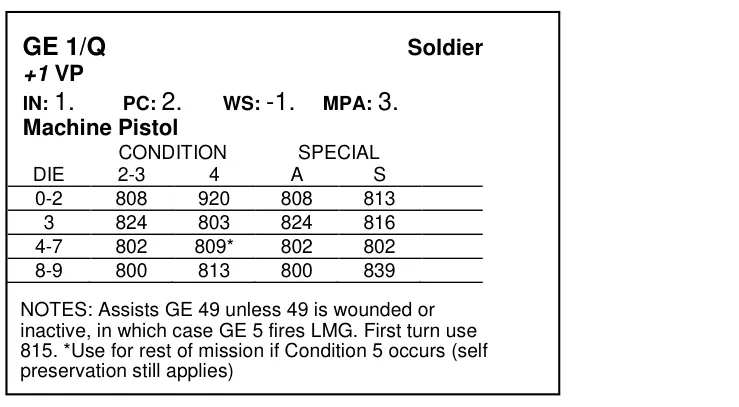 | The sample card from p. 3: card number and identity letter (L–Z, no O), type (officer, sniper, driver…), activation VP and bracketed conditional VP, weapons, the ratings (and for drivers), and the Action Table: a die roll crossed with the Condition column, or with a Special Reaction or Self-Preservation letter column, gives the paragraph to follow. Notes add first-activation instructions. |
Every German that can appear in any mission has such a card; it stays in front of you from activation until he is inactive (p. 3).
German vehicle cards
| Picture | What it shows |
|---|---|
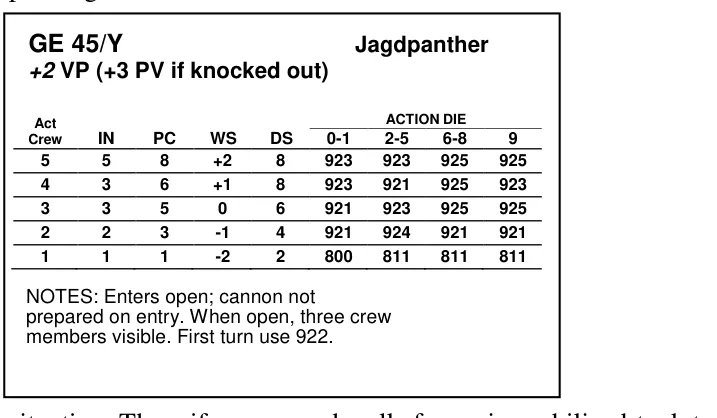 | A tank card (p. 32): one row per crew size with the tank’s IN, PC, WS and DS, and an Action Table by die roll. Notes give its entry state. |
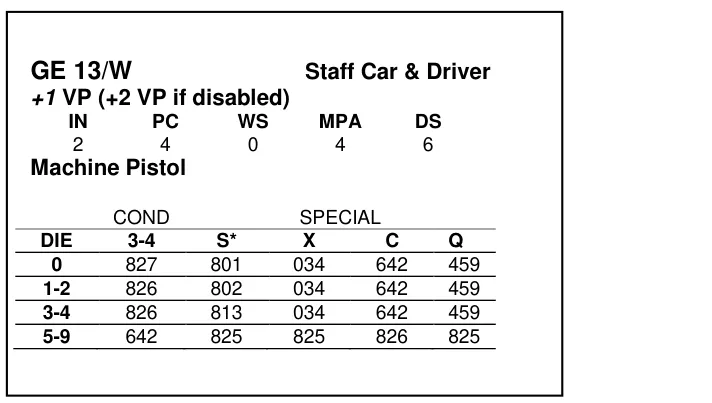 | A car card (p. 32): the driver’s ratings, weapon, and a column of driving paragraphs used when other paragraphs order him to drive. |
US soldier cards
| Picture | What it shows |
|---|---|
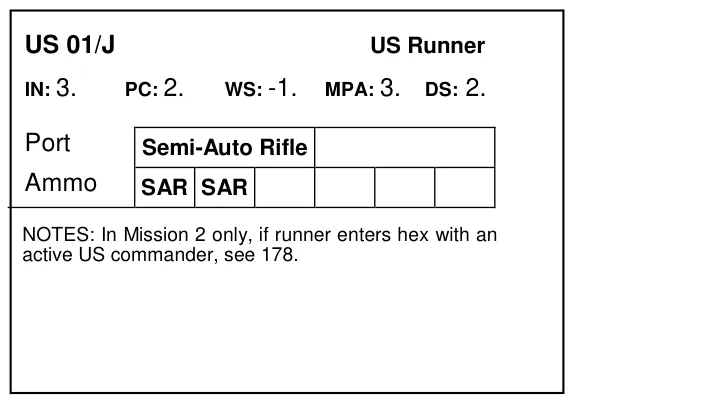 | Soldiers your squad may meet during a mission, laid out like a Squad Record line with identity number, letter and notes (p. 6). |
Tiles
Ambush! has no tiles; the markers that change the map’s terrain are listed here.
Hazards and terrain markers
| Picture | What it shows |
|---|---|
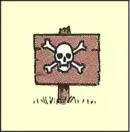 | Minefield, placed when a paragraph reveals it (p. 4). |
 | The marker’s boobytrap side. |
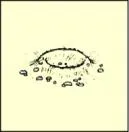 | Blast crater: a non-building hex hit by artillery (p. 5). |
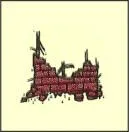 | Rubble: a building hex hit by artillery or collapsed. |
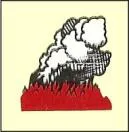 | Burning building: may not be entered. |
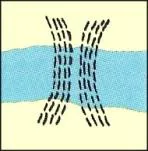 | Ford: the stream can be crossed on foot here (p. 5). |
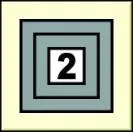 | Second floor marker, used where a paragraph puts a soldier upstairs. |
Landmarks
Special objects not printed on the map, placed when a paragraph names them (p. 5).
| Picture | What it shows |
|---|---|
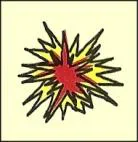 | Starshell. |
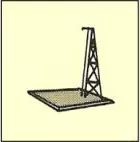 | Rocket gantry. |
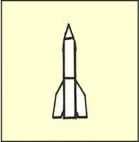 | Rocket. |
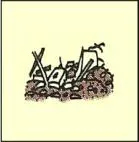 | Trash. |
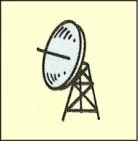 | Radar. |
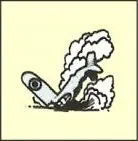 | Crashed plane. |
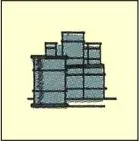 | Fuel dump. |
 | Antenna. |
Tokens & pieces
Soldier counters
| Picture | What it shows |
|---|---|
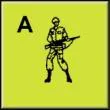 | US soldier A–H, standing side. |
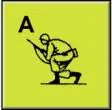 | The same counter’s back: crouching. |
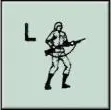 | German soldier L–X, standing side. |
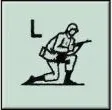 | Crouching side. |
 | Placed on a soldier of either side to show he is prone (p. 4). |
Action Round markers
| Picture | What it shows |
|---|---|
 | A US soldier’s AR marker; each soldier has several, with different Initiative values on their sides, and uses the one matching his IN (p. 4). |
 | The flip side with another Initiative value. Germans have one marker each, placed when activated. |
Weapons and equipment
| Picture | What it shows |
|---|---|
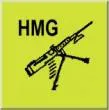 | Heavy weapon marker, prepared side: US medium and heavy machineguns, bazookas and German machineguns are placed on the map (p. 4). |
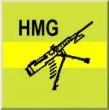 | Unprepared side. |
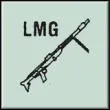 | German light machinegun. |
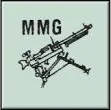 | Medium machinegun. |
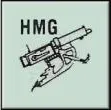 | Heavy machinegun. |
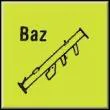 | Bazooka. |
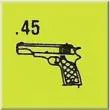 | Personal weapon marker, placed only when a weapon is dropped or jams (p. 4). |
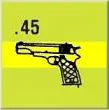 | Jammed side. |
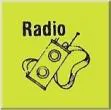 | Radio, carried by certain US and German soldiers (p. 4). |
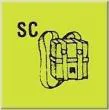 | Satchel charge, prepared side (p. 4). |
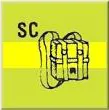 | Unprepared side. |
Vehicles
| Picture | What it shows |
|---|---|
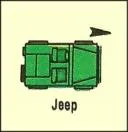 | Jeep or Kübelwagen, operational side with its facing arrow (p. 5). |
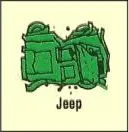 | Disabled side. |
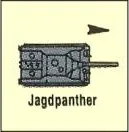 | Jagdpanther (identity letter Y or Z), operational side. |
 | Disabled side. |
Panzer IV, Sherman and staff car counters: To be added.
Status markers
| Picture | What it shows |
|---|---|
 | Wounded (p. 5). |
 | Incapacitated, the marker’s other side. |
 | Killed. |
 | Captured, the marker’s other side. |
 | Event marker, placed on a hex whose Paragraph Check has been made in the current Condition. |
 | German Action Number marker for the Action Track. |
Dice
Two ten-sided dice, read 0–9. “One die” is 0–9, “two dice” 0–18, “percentile dice” 0–99 with one die declared as tens (p. 6).
Icons
This guide uses for Victory Points, Initiative, Perception, Weapon Skill, Driving Skill and Movement Point Allowance, the abbreviations of rulebook p. 6; marks Event Checks and the mission Condition. The game’s own components carry the abbreviations as text, not symbols.